


Tripura 1971 War Battalion Bangladesh Unrest
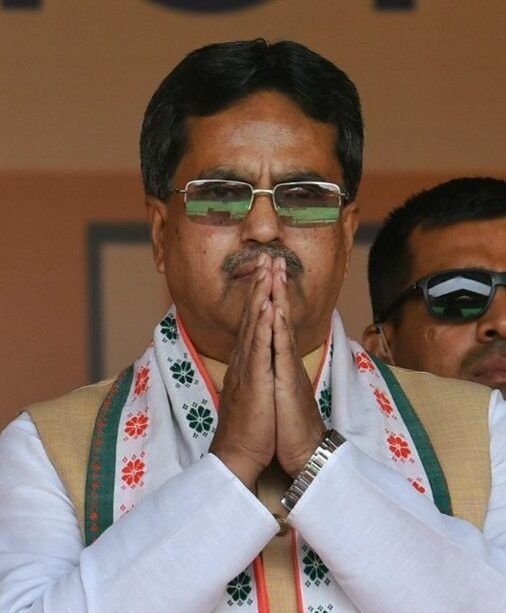
The Tripura 1971 war battalion Bangladesh unrest deployment has drawn national attention. On December 21–22, 2025, Tripura Chief Minister Manik Saha confirmed that the Centre has stationed an Indian Army battalion — famed for its role in the 1971 Bangladesh Liberation War — in the state. The move comes amid escalating instability in Bangladesh, with Saha briefing New Delhi on the situation’s potential impact on Tripura and the wider Northeast.
Historic Battalion Returns to Tripura
Legacy of the 1971 War
The battalion deployed in Tripura is not just any unit; it played a decisive role in the Indo-Pak war of 1971, training the Mukti Bahini and fighting alongside them during Bangladesh’s liberation. Its presence today carries symbolic weight, reminding citizens of India’s historic role in securing freedom for its eastern neighbour.
Deployment Details
- Location: Tripura, Northeast India.
- Unit: Army battalion with 1971 war legacy.
- Reason: Rising unrest in Bangladesh and concerns of spillover effects.
- CM’s Role: Manik Saha is sending regular reports to Delhi, ensuring the Centre remains updated.
Why This Deployment Matters
Border Security
Tripura shares a sensitive border with Bangladesh. Any unrest across the border can lead to refugee inflows, smuggling, or security challenges. Deploying a historic battalion signals India’s readiness to safeguard its frontier.
Political Symbolism
By choosing a unit tied to Bangladesh’s liberation, India underscores its historic solidarity with the people of Bangladesh while sending a strong message to those stoking unrest.
Regional Stability
The move reassures citizens in Tripura and the Northeast that the government is vigilant and proactive in addressing cross-border threats.
Key Highlights
| Aspect | Details |
|---|---|
| Deployment | 1971 war battalion stationed in Tripura |
| Reason | Escalating unrest in Bangladesh |
| CM’s Role | Manik Saha briefs Delhi regularly |
| Historic Note | Battalion trained Mukti Bahini in 1971 |
| Accusations | CM alleges Pakistan fueling unrest |
Challenges Ahead
Although the deployment strengthens security, challenges remain:
- Cross-Border Tensions: Any escalation in Bangladesh could spill into Tripura.
- Diplomatic Sensitivity: Allegations against Pakistan may heighten regional friction.
- Local Concerns: Citizens worry about safety and stability along the border.
- Modern Warfare: CM Saha noted that “physical presence is not always required” in today’s battles, citing India’s precision strike capabilities.
Broader Context
Bangladesh has faced political turmoil in recent months, with protests and instability raising concerns in India’s Northeast. Tripura, given its geographic proximity, is particularly vulnerable.
India’s decision to deploy a 1971 war battalion reflects both strategic foresight and symbolic messaging. It shows that India is prepared to defend its borders while reminding the world of its historic role in Bangladesh’s liberation.
The deployment of the Tripura 1971 war battalion Bangladesh unrest unit is a wake-up call for policymakers and citizens alike. Security is not just about military presence; it requires vigilance, cooperation, and public awareness.
READ MORE: Northeast Livestock Breeds Recognised by ICAR–NBAGR
Tripura’s deployment of a 1971 war battalion amid Bangladesh unrest is both a security measure and a symbolic gesture. By briefing Delhi regularly, CM Manik Saha underscores the seriousness of the situation and India’s vigilance in protecting its Northeast frontier.
The battalion’s historic role in Bangladesh’s liberation adds emotional resonance to its presence today. If managed effectively, this deployment could strengthen border security, reassure citizens, and remind the world of India’s enduring commitment to regional stability.