


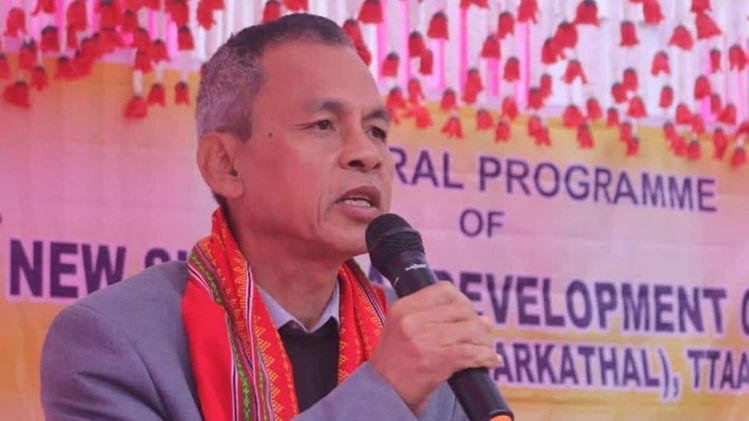
Tripura is set to witness a statewide bandh on October 13 as civil society groups rally behind two key demands: the introduction of the Inner Line Permit (ILP) system and the full implementation of the Tiprasa Accord. Leaders of the movement stated that the bandh aims to highlight indigenous concerns and push the government to act without delay.
The announcement has already stirred discussions across the state. Many view it as a defining moment in Tripura’s ongoing struggle to protect indigenous rights and identity. Civil society organizations argue that both ILP and the Tiprasa Accord are essential for safeguarding cultural and political autonomy.
Read More: Singapore to host Northeast India music and culture show
Why the bandh is being called
The decision to call the Tripura bandh ILP Tiprasa Accord was taken after repeated appeals to the government reportedly went unanswered. According to civil society leaders, authorities have failed to take concrete steps to address long-standing demands despite several rounds of dialogue.
ILP is seen as crucial for controlling the flow of outsiders into the state. Supporters argue that unchecked migration threatens the demographic balance and weakens the political voice of indigenous communities. Meanwhile, the Tiprasa Accord, signed to address tribal aspirations, remains only partially implemented. Civil society groups contend that this lack of progress has caused frustration among the people.
Significance of ILP in Tripura
The demand for ILP in Tripura is not new. States like Arunachal Pradesh, Mizoram, and Nagaland already have the system in place. Supporters of ILP in Tripura argue that it would help regulate population inflow and protect indigenous land rights.
Activists stress that without ILP, indigenous groups face cultural erosion and loss of traditional livelihoods. They claim the state’s unique demographic structure makes the demand more urgent than ever. Proponents also link ILP to security concerns, arguing that regulating migration is key to maintaining stability in the region.
The Tiprasa Accord issue
Another major demand behind the Tripura bandh ILP Tiprasa Accord is the complete implementation of the Tiprasa Accord. The agreement, signed after long negotiations, promised to strengthen tribal autonomy and provide development opportunities for indigenous people.
However, activists claim that many provisions remain on paper. Issues such as greater control over local governance, recognition of cultural identity, and economic development packages are still pending. Civil society groups insist that without full implementation, the accord cannot achieve its intended goals.
Community leaders argue that the delay shows a lack of political will. They have warned that ignoring these promises could lead to unrest and further alienation of indigenous groups.
Civil society unites for action
Several organizations, including student unions, women’s groups, and local associations, have come together to back the bandh. Leaders announced that the shutdown will be peaceful but firm. They urged citizens to cooperate to send a strong message to both the state and central governments.
Meetings have been held across districts to mobilize support. In these gatherings, speakers emphasized that the bandh is not aimed at disrupting daily life but at compelling authorities to act. They assured that essential services such as hospitals will not be affected.
Political reactions
Political leaders in Tripura have responded cautiously. Some opposition parties expressed solidarity with the bandh, arguing that the government has neglected indigenous rights. They criticized the delay in implementing the Tiprasa Accord and accused the ruling dispensation of ignoring public sentiment.
The government, however, has appealed for calm and urged civil society groups to reconsider the bandh. Officials maintain that efforts are underway to address both issues, but progress requires time and dialogue. They have called on the groups to resolve differences through discussion rather than protests.
Public sentiment ahead of the bandh
Public opinion in Tripura appears divided. Many indigenous citizens support the bandh, viewing it as a necessary step to push long-ignored demands. They believe that only collective action can bring about change.
Others, especially in urban areas, worry about disruption to business and education. Shopkeepers and transport operators expressed concern about potential losses. However, even among these groups, there is sympathy for the cause, if not for the bandh itself.
Broader implications
The Tripura bandh ILP Tiprasa Accord issue has implications beyond the state. Analysts point out that it reflects a wider trend in the Northeast, where indigenous communities seek greater control over resources and cultural preservation.
They note that failure to address these demands could increase tensions, while meaningful engagement could strengthen unity and stability. The bandh, therefore, is more than a one-day protest; it is a signal of deeper concerns that require attention at both state and national levels.
The road ahead
As October 13 approaches, all eyes are on how the bandh unfolds. Security forces have been placed on alert, and the administration is preparing to maintain order. At the same time, civil society groups remain determined to make their voices heard.
Observers suggest that the government still has a chance to engage with the organizers before the bandh. Constructive dialogue could reduce tensions and open the path for solutions. If handled poorly, however, the bandh could deepen mistrust between communities and the administration.
The upcoming bandh in Tripura highlights the pressing need for responsive governance. The demands for ILP and full Tiprasa Accord implementation are not just administrative issues but matters tied to identity, rights, and long-term stability.
By calling the Tripura bandh ILP Tiprasa Accord, civil society has sent a clear message: indigenous concerns can no longer be ignored. Whether the bandh leads to meaningful dialogue or further confrontation will depend on the government’s response in the coming days.
Read More: USTM fined Rs 150 crore for forest encroachment in Meghalaya