


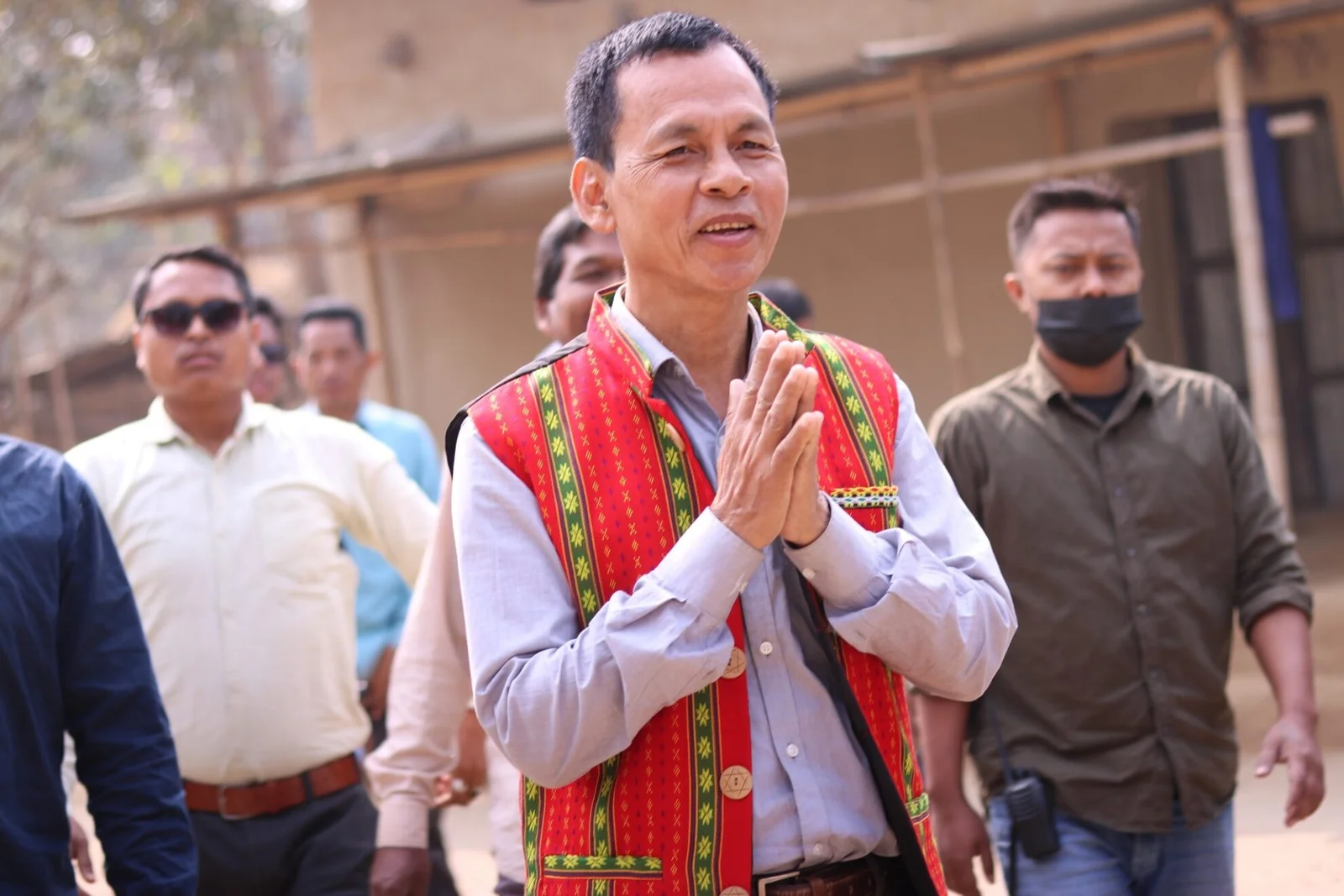
The planned Tripura statewide bandh, initially set for October 13, has been postponed to October 23. The announcement came on Friday from Tipra Motha MLA Ranjit Debbarma, who said the decision was made in deference to the upcoming Diwali celebrations across the state.
The 24-hour general strike is being called by Tipra Motha to highlight issues affecting tribal communities, including land rights, local governance, and electoral fairness. The new date aims to allow citizens to celebrate the festival without disruption while still ensuring the message of the bandh is heard.
Reason for Rescheduling: Respecting Diwali Sentiment
MLA Ranjit Debbarma explained that the postponement was proposed to avoid conflict with public sentiment during Diwali, a key festival of lights and celebration across communities. He said Tipra Motha respects the cultural significance of the festival and does not wish for the bandh to cast a shadow over people’s celebrations.
“People must be free to celebrate Diwali with their families. We do not want our protest to come in between that,” Debbarma said.
He added that the later date would help ensure that the bandh gets full participation and media attention without being overshadowed by holiday activities.
Objectives and Demands Behind the Bandh
Though postponed, the bandh remains rooted in the party’s demands. Tipra Motha has listed several grievances, including:
- Delayed village committee elections in tribal areas
- Alleged lapses in land rights protection
- Call for greater autonomy under the Sixth Schedule
- Transparent electoral reforms and safety for political workers
The party has urged all tribal and regional groups to unite and show strong participation on October 23. In their view, a bandh with full backing will amplify their voice over state policies that they say marginalize indigenous populations.
State Government Responds
The Tripura government acknowledged the rescheduling and stated it would make suitable arrangements to maintain public order on October 23. Officials said they were notified by party leaders and would monitor developments closely.
A senior official from the Home Department said preparations for security, transport, and public services would be scaled up to avoid inconvenience to citizens. The government also urged peaceful conduct and compliance with legal norms.
While acknowledging Tipra Motha’s right to protest, ruling party sources stressed that bandh calls, when taken to extremes, tend to disrupt ordinary life and economic activity. They urged the calling party to ensure the bandh remains peaceful and voluntary.
Economic and Social Impacts of a Bandh
A statewide bandh over tribal regions, especially in rural areas, is likely to disrupt transport, markets, and public services. Traders, farmers, and daily-wage laborers may face losses for the day.
By shifting the date away from the festival, Tipra Motha hopes to reduce the burden on local businesses and minimize hardship for daily earners. The postponement shows some sensitivity to the economic rhythms of society, even as political tensions simmer.
Social media reactions have been mixed. Some praised the party for showing empathy toward festivalgoers. Others questioned whether postponing dilutes the impact or momentum of the protest.
Political Significance and Strategy
The bandh postponement also highlights how politically significant the Diwali period is. Many parties prefer to avoid confrontation during festive seasons to preserve public goodwill.
Tipra Motha’s choice signals its dual intention: to raise serious demands while being mindful of public sentiment and optics. The party may hope that by avoiding backlash during Diwali, it strengthens support among undecided voters.
Observers say the success of the bandh will hinge on grassroots mobilization and the party’s ability to deliver a visible, coordinated protest. A poorly attended or disorderly bandh could harm Tipra Motha’s credibility among its own supporters.
Call for Peaceful Participation
As the new date approaches, Tipra Motha has appealed to supporters to take part in a nonviolent, disciplined manner.
Party leaders have stressed that participation should be symbolic and controlled, not a cause for chaos.
Debbarma said that citizens from all communities should join in the bandh to send a message of unity and justice, while respecting law enforcement and avoiding harm to public life.
The party has also appealed to media, civil society, and neutral observers to monitor the proceedings. Ensure fairness, and hold the government accountable to its commitments.
The Road to October 23
Though the bandh is postponed, the underlying issues remain urgent for Tipra Motha and its supporters. The party is expected to intensify protests, public outreach, and awareness campaigns in the intervening days.
As Tripura’s politics becomes more contested, both state and opposition forces will watch October 23. As a test of strength, discipline, and public sentiment.
For now, citizens have a short breathing space before a day of political assertion that may define the tribal voice in Tripura’s future.