


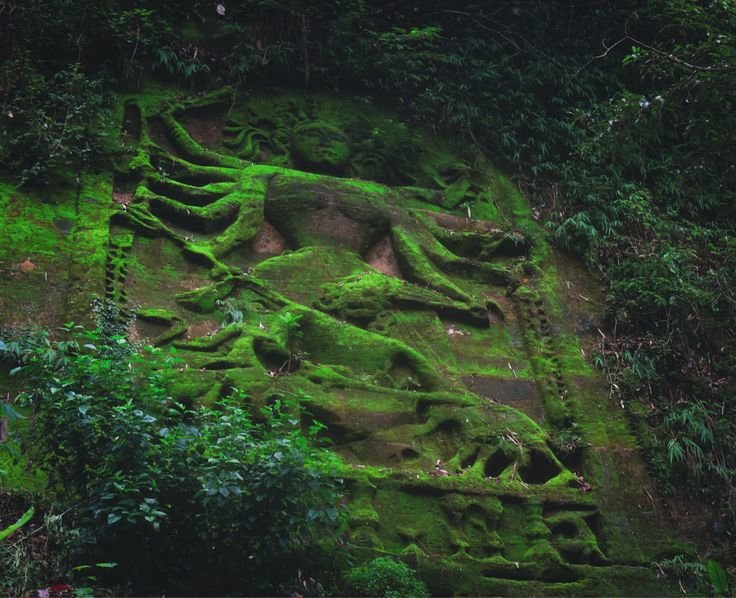
The Tripura Chabimura eco-tourism makeover will redefine sustainable travel in Northeast India. Chabimura, famous for its breathtaking cliffs and ancient rock carvings, now moves toward becoming a world-class eco-tourism hub. The Asian Development Bank (ADB) funds this ₹60–67 crore project, and Tripura’s government plans to finish it within 10 months.
With completion targeted within 10 months, this ambitious project is designed to blend heritage preservation with sustainable tourism, creating opportunities for local communities while attracting global travelers.
Chabimura: The Heart of Tripura’s Eco-Tourism
Located in Gomati district, Chabimura is often referred to as the Amazon of Tripura for its dense forests, steep rock faces, and serene river landscapes. The site is home to 15th–16th century rock carvings of Hindu deities, including Lord Shiva and Vishnu, etched into the cliffs along the Gomati River.
These carvings make Chabimura not just a natural wonder but also a cultural treasure, combining spirituality, history, and ecology in one destination.
The Eco-Tourism Investment
The Tripura Urban and Tourism Development Project, backed by the ADB, has earmarked ₹60–67 crore for the makeover.
Key Features of the Project:
- Eco-friendly riverfront upgrades at Chabimura.
- Waterfront development at Fatiksagar Lake and Amarsagar Lake in Amarpur town.
- Tourist amenities such as walkways, viewing decks, boating facilities, eco-lodges, and interpretation centers.
- Employment generation for local communities in hospitality, guiding, and conservation.
Already, 35% of the work has been completed, signaling strong progress toward the 10-month deadline.
What Visitors Can Expect
Enhanced Accessibility
Improved roads and river transport will make reaching Chabimura easier for both domestic and international tourists.
Sustainable Lodging
Eco-lodges and campsites will allow visitors to stay close to nature without harming the environment.
Cultural Preservation
Interpretation centers will showcase the history of Chabimura’s carvings, ensuring that heritage remains at the heart of tourism.
Economic and Cultural Impact
The makeover is expected to:
- Boost tourism revenue for Tripura.
- Create jobs for local residents, especially in eco-tourism services.
- Promote local crafts and cuisine, giving artisans and small businesses new opportunities.
- Preserve cultural heritage, ensuring that the ancient carvings remain protected for future generations.
This project positions Tripura as a sustainable tourism leader in Northeast India, complementing other attractions like Unakoti rock carvings and Neermahal Palace.
Challenges Ahead
While the project is promising, experts highlight the need to balance development with conservation. Over-commercialization could threaten the fragile ecosystem, and community involvement will be crucial to ensure long-term sustainability.
How to Plan Your Visit
- Best Time to Visit: October to March, when the weather is pleasant.
- How to Reach: Chabimura is accessible via Amarpur town, about 82 km from Agartala.
- Nearby Attractions:
- Unakoti – famous for its rock-cut sculptures.
- Neermahal – Tripura’s water palace.
- Fatiksagar and Amarsagar Lakes – soon to be upgraded as part of the project.
READ MORE: Tripura Tribal Welfare Minister Meets Union Tribal Affairs MoS to Boost Development Initiatives
Tripura’s Chabimura eco-tourism makeover is more than just an infrastructure project—it’s a vision to blend nature, culture, and sustainability. As the state gears up to welcome the world, travelers, investors, and heritage enthusiasts should keep a close eye on this transformation.
Plan your Tripura adventure today and be among the first to experience Chabimura’s world-class eco-tourism facilities when they open!