


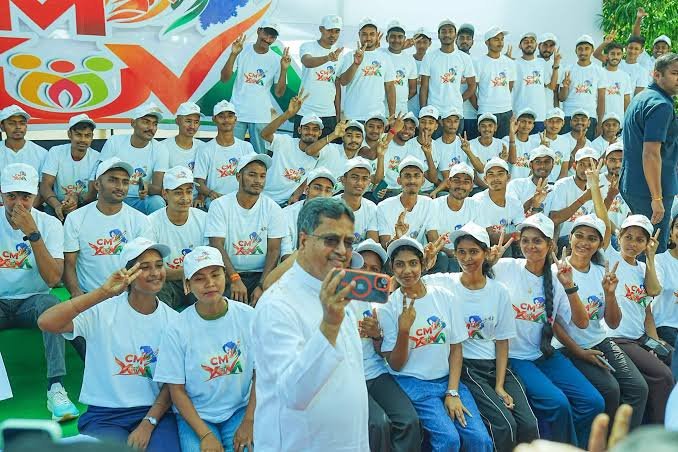
The CM Yuva pilot project aims to help unemployed and underprivileged young people in South Tripura prepare for competitive examinations and government recruitment opportunities. The initiative focuses on providing coaching, guidance and mentoring to candidates aspiring to appear for examinations such as UPSC, SSC, TPSC and Tripura Civil Service (TCS). The district administration has already established a committee to develop a structured action plan for the initiative. The programme seeks to make competitive examination preparation more accessible to eligible candidates across South Tripura.
Tripura Education Department Distributes Scooties to Meritorious Female Students
The initiative addresses a key challenge for many aspirants: accessing organised coaching and examination guidance. Candidates often need structured study materials, regular practice and support from experienced educators. Through the pilot project, the administration aims to develop an approach that can help eligible young people prepare more systematically for recruitment examinations. However, detailed information about the final coaching schedule, eligibility criteria and enrolment process remains subject to official confirmation.
CM Yuva Pilot Project Targets Competitive Exam Aspirants
The CM Yuva pilot project focuses on supporting young people who want to pursue government employment but face barriers to accessing competitive examination coaching. The initiative is particularly relevant to unemployed and underprivileged candidates in South Tripura who may need additional academic guidance and structured preparation.
The district administration took an organisational step towards this objective on July 7, 2026. A memorandum issued by the District Magistrate and Collector established a district-level committee to develop an action plan for supporting eligible candidates. The proposed support includes quality coaching, guidance, mentoring and other assistance to help young people prepare for recruitment examinations.
The committee’s responsibilities include identifying eligible beneficiaries and determining how the administration can provide appropriate coaching. It must also consider suitable coaching institutions, resource persons and examination-oriented study modules. These preparations are important because candidates may target different examinations with distinct syllabuses, selection procedures and preparation requirements.
Moreover, the proposed initiative covers several major competitive examinations. These include the Union Public Service Commission (UPSC) examinations, Staff Selection Commission (SSC) examinations, Tripura Public Service Commission (TPSC) recruitment and Tripura Civil Service examinations. The committee’s action plan is expected to consider the requirements of candidates preparing for these and other government recruitment tests.
The programme’s effectiveness will depend on how well the coaching arrangements address candidates’ individual needs. Some aspirants may require help with foundational subjects, while others may need regular mock tests, revision sessions and interview preparation. A structured programme could help participants understand these requirements and organise their preparation more effectively.
South Tripura Administration Plans Structured Coaching Support
The district-level committee has been tasked with preparing a comprehensive action plan for the proposed coaching initiative. According to the July 7 memorandum, the plan must address beneficiary identification, the selection of coaching institutions or resource persons, curriculum development and the mode of instruction.
Beneficiary identification will be an important first step. Clear eligibility rules can help the administration reach candidates who need support and establish a transparent selection process. Officials will also need to determine how applicants can register, what documents they must provide and how the administration will assess applications.
The committee must also examine whether coaching should take place offline, online or through a hybrid model. Each approach offers different advantages. Classroom instruction can provide direct interaction with teachers, while online classes may help candidates access lessons without travelling long distances. A hybrid arrangement could combine classroom guidance with digital study resources, depending on infrastructure and available funding.
Furthermore, the proposed action plan includes curriculum development and examination-oriented study modules. These resources can help candidates follow a clear preparation schedule instead of relying on scattered materials. Regular assessments may also help participants identify weaker subjects and track their progress.
The committee must consider infrastructure and logistical requirements as well. Suitable classrooms, study materials, internet access and arrangements for mock examinations may all influence how the programme operates. The memorandum also asks the committee to examine financial implications and possible sources of funding.
These preparations will determine how the project moves from an administrative plan to a functioning coaching programme. However, the available memorandum does not confirm the final budget, the number of selected candidates or the names of any coaching providers. Those details require confirmation through subsequent official announcements.
CM Yuva Project Could Expand Opportunities for Government Jobs
Competitive examinations provide an entry route into several government services and departments. However, preparation often requires sustained effort, familiarity with the syllabus and regular practice. Candidates may also need guidance on examination patterns, time management and current affairs.
The CM Yuva pilot project seeks to address these preparation needs by creating a more organised support system for eligible young people. With appropriate coaching, candidates could receive guidance on how to structure their study plans and prepare for different stages of recruitment examinations.
UPSC examinations, for example, require a broad understanding of general studies and other prescribed subjects. Meanwhile, SSC examinations cover recruitment for various central government posts, and TPSC conducts examinations for posts under Tripura’s recruitment framework. Candidates preparing for Tripura Civil Service examinations also need to understand the relevant examination pattern and selection requirements.
Consequently, the coaching programme will need to account for differences between examinations. A common foundation course may help candidates strengthen basic knowledge, but specialised sessions may be necessary for particular recruitment tests. Mock examinations and performance reviews could also help participants assess their progress.
In addition, mentoring may help candidates make informed decisions about preparation strategies. Aspirants often need to balance study time, revision and practice. Guidance from qualified resource persons could help them understand the demands of their chosen examinations and identify areas that require further work.
The project could be especially useful for candidates who cannot easily access established coaching services. Nevertheless, coaching cannot guarantee selection or government employment. Final results depend on candidates’ preparation, examination performance, eligibility and the recruitment process.
The administration’s approach to monitoring will therefore matter. The committee has been asked to propose mechanisms for evaluation and performance assessment. Such measures could help officials review attendance, participation, learning progress and the practical value of the support offered.
Implementation and Monitoring Will Shape Project Outcomes
The long-term value of the CM Yuva pilot project will depend on its implementation and the quality of its coaching services. The district administration must translate its objectives into a workable programme with clearly defined responsibilities, schedules and assessment procedures.
The committee’s proposed action plan includes a framework for selecting beneficiaries, choosing coaching providers and arranging the resources needed for instruction. It must also address the financial implications and set out a monitoring and evaluation mechanism.
Transparent selection procedures could help ensure that eligible candidates understand how to apply and how the administration will choose participants. Similarly, publishing clear information about examination coverage, class schedules and study materials could help applicants prepare for enrolment.
The quality of instruction will be another important factor. Experienced teachers and resource persons can help candidates understand difficult subjects, practise examination questions and correct mistakes. Regular assessments may also allow instructors to adapt lessons according to participants’ progress.
In addition, the programme will need a practical way to measure its outcomes. Attendance records, mock-test performance and feedback from candidates could provide useful information about the effectiveness of coaching. Over time, data on examination participation and selection outcomes could help officials assess whether the programme is meeting its objectives.
As a pilot initiative, the project may also provide lessons for future improvements. Officials could use feedback from participants and instructors to identify gaps in teaching, infrastructure or access. Any decision to expand the programme would need to consider its results, available resources and the needs of other eligible candidates.
At present, the July memorandum confirms the formation of a district-level committee and outlines the action plan it must prepare. It does not establish the final enrolment process, operational timetable or confirmed coaching arrangements. Further official updates will therefore be important for candidates seeking details about participation.
Conclusion
The CM Yuva pilot project aims to improve access to competitive examination preparation for unemployed and underprivileged young people in South Tripura. Its proposed support includes coaching, mentoring and examination-oriented study modules for candidates preparing for UPSC, SSC, TPSC, TCS and other government recruitment examinations. The district administration has established a committee to plan the initiative and identify the resources needed for implementation.
The project could provide a useful support structure for candidates who face difficulties accessing organised coaching. However, its practical impact will depend on transparent beneficiary selection, suitable teaching arrangements and reliable study resources. Clear information about eligibility, enrolment, examination coverage and the coaching schedule will help prospective participants understand the opportunities available to them.
Going forward, monitoring and evaluation will help the administration determine whether the programme meets its intended objectives. Regular assessments and feedback could guide improvements in teaching quality and access. Although the initiative aims to support young people pursuing government careers, its success will ultimately depend on effective delivery and the learning opportunities it provides to eligible candidates.
FAQs
1. What is the CM Yuva pilot project?
The CM Yuva pilot project is an initiative aimed at helping unemployed and underprivileged young people in South Tripura prepare for competitive examinations through proposed coaching, guidance and mentoring.
2. Which competitive examinations will the programme support?
The district administration’s planning memorandum refers to UPSC, SSC, TPSC, Tripura Civil Service examinations and other government recruitment tests.
3. Who is the intended beneficiary group?
The initiative targets unemployed and underprivileged young people in South Tripura who want to prepare for competitive examinations. The final eligibility conditions and selection procedure require official confirmation.
4. How will coaching be organised?
The district-level committee has been asked to consider offline, online and hybrid coaching options, along with study modules, coaching institutions and resource persons.
5. How can candidates apply for the CM Yuva pilot project?
The final application process, enrolment dates and coaching schedule were not confirmed in the available memorandum. Interested candidates should follow announcements from the South Tripura District Administration for verified details.