


In a worrying health development, the town of Kailasahar in the Unakoti district of Tripura has recorded 46 new cases of dengue. Health authorities, however, are maintaining that the outbreak is under control, while calling on residents to remain alert and adopt preventive measures.
Surge of Cases in Kailasahar Raises Dengue Alarm
The local health department confirmed that 46 individuals tested positive for dengue. Out of these, 13 patients are currently undergoing hospital treatment. Speaking to the media, Dr. Rohan Paul of the Kailasahar Sub-Divisional Hospital said the town is more vulnerable to dengue than other parts of the state because of year-round testing and a higher risk of mosquito-borne exposure.
He reassured that “the situation in Kailasahar is well under control. There is no cause for panic.” At the same time, he cautioned people against self-medication and urged proper diagnosis.
Why Kailasahar Is Particularly Vulnerable to Dengue
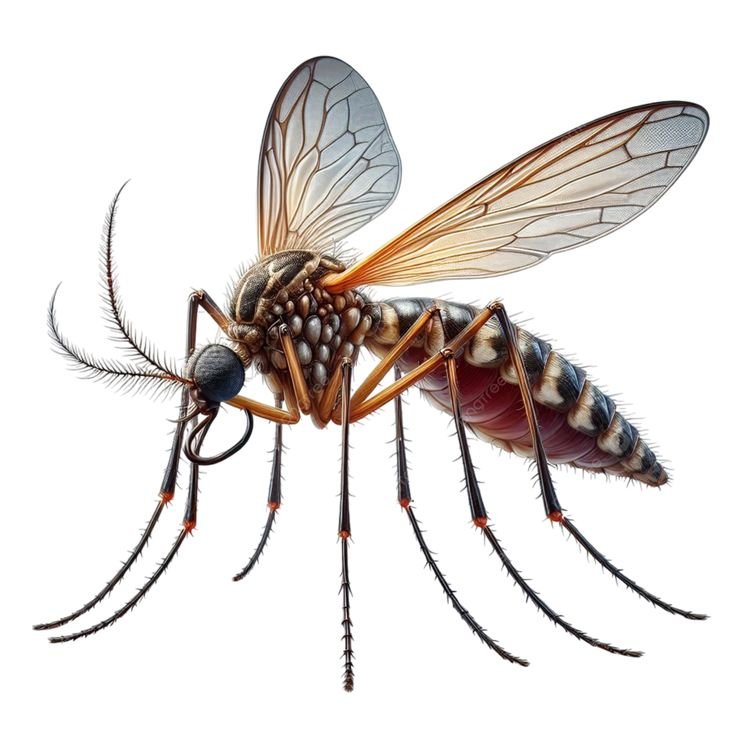
Kailasahar’s geographic and infrastructural features may contribute to its repeated vulnerability. Local health officials note that the vector mosquito (Aedes mosquito) responsible for dengue thrives in stagnant water, which may be more prevalent around both residential and workplace zones in the town.
“People should ensure there is no waterlogging around their homes or workplaces to prevent mosquito breeding,” Dr Paul emphasized.
Health authorities in Tripura have ramped up surveillance and awareness campaigns in response.
Health Authorities Step Up Preventive Measures
Following the spike in dengue cases, the state’s health department has intensified its efforts. Measures being taken include:
- Enhanced mosquito-breeding surveillance in Kailasahar and adjoining areas.
- Public awareness drives urging residents to get tested at official health facilities rather than rely on self-medication.
- Encouraging removal of stagnant water sources, use of mosquito nets, repellents, and ensuring proper sanitation around homes.
“Testing without proper diagnosis can lead to health risks,” said Dr Paul, warning about the dangers of taking medication without consulting a doctor.
Implications for Public Health in Tripura
The rise in dengue cases in Kailasahar underscores the need for continuous vigilance beyond traditional “monsoon” periods, as the region seems to record dengue incidents year-round. Health experts warn that unless preventive behaviour is sustained, the town—and possibly nearby areas—could witness larger outbreaks.
For residents, the risk extends beyond immediate illness: severe dengue can lead to hospitalization, long recovery times and may place strain on local health systems.
What Residents Must Do Now to Stay Safe
Given the situation, the following steps are critical for residents of Kailasahar and Unakoti district:
- Get tested immediately at the Sub-Divisional Hospital or nearby Primary Health Centre if symptoms like high fever, body ache, rash or bleeding appear.
- Eliminate stagnant water around homes—check flower pots, buckets, drains, rooftops and unused containers.
- Use mosquito protection—nets, coils, repellents, window screens—especially dawn and dusk when Aedes mosquitoes are active.
- Avoid self-medication and consult a qualified doctor. Incorrect treatment can worsen outcomes.
- Support local sanitary drives—participate in community clean-ups and heed official directives for fogging or larvicidal operations.
READ MORE: Assam Small Tea Growers Fair Pricing Demand Reaches PM Modi