


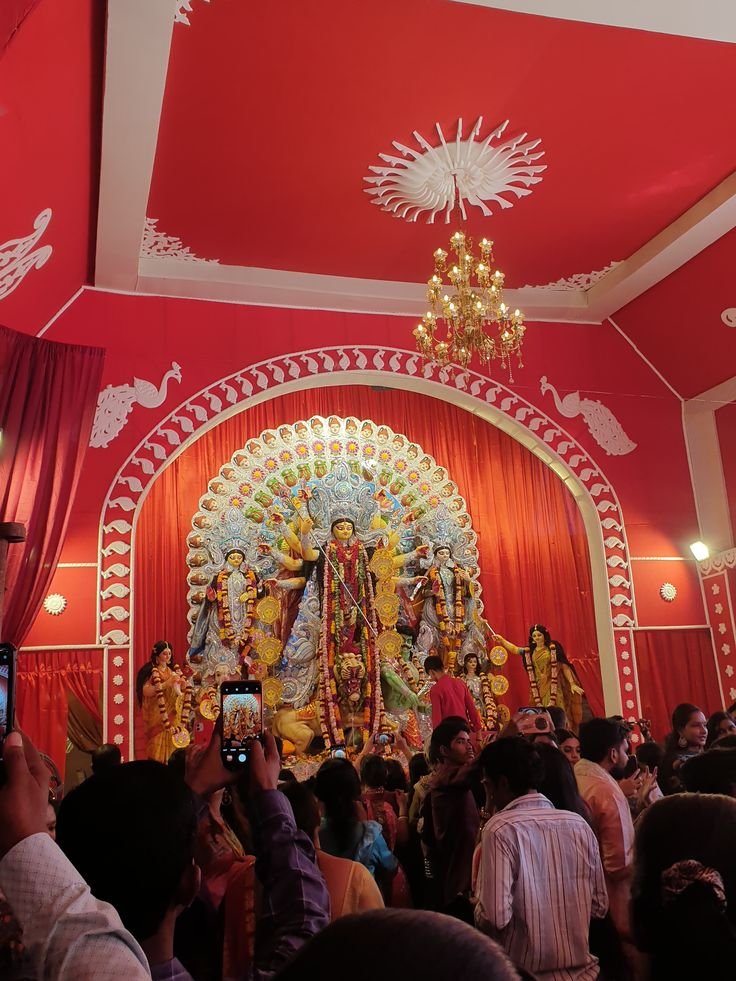
Tripura is amid its Durga Puja celebrations, with vibrant festivities lighting up towns and villages across the state. At the same time, security has been ramped up along its 856-km border with Bangladesh to prevent spillover risks. Meanwhile, the state is witnessing a staggering 64.07% surge in domestic tourism—a sign that cultural attraction is fueling growth.
These developments show how Tripura is managing the balance between faith, security, and development under the spotlight of national attention.
Durga Puja Celebrations Flourish Across Tripura
The 149-year-old Durgabari Temple in Agartala continues to draw devotees, sustaining royal traditions with state patronage. The five-day festival kicked off recently, with elaborate rituals, pandal events, cultural programs, and evening gatherings in nearly 3,000 puja venues across the state.
Local administrators, the royal family, and district officials jointly oversee rituals, ensuring that traditions and security protocols go hand in hand.
Pandal hopping, community feasts, and devotional music have become daily highlights. In Melaghar and other towns, the ambiance is festive and inclusive. Devotees from neighboring states and even Bangladesh make the trip to feel the pulse of Tripura’s unique Durgotsav.
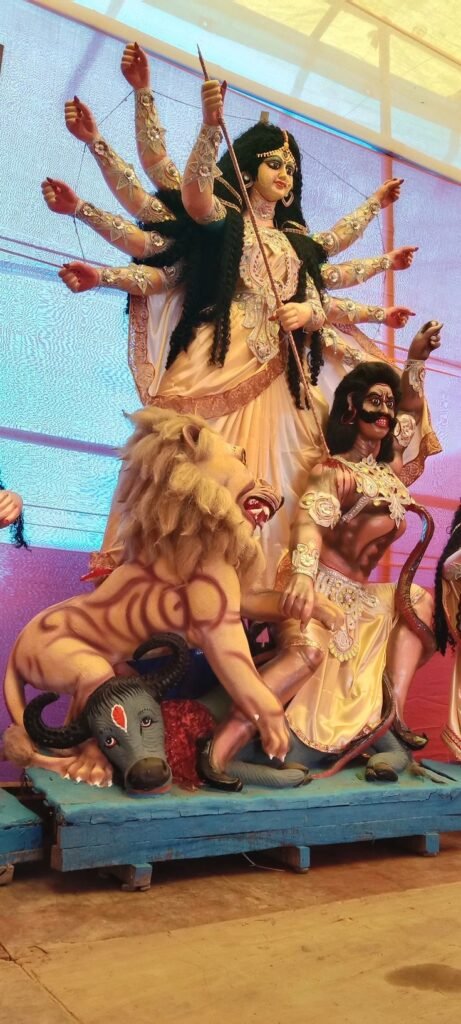
Vigil Strengthened Along the Bangladesh Border
Given Tripura’s long international boundary, security is a top priority during this mass gathering season. To that end, Tripura has deployed 7,750 additional police and traffic personnel statewide. Joint patrols with the Border Security Force (BSF) are active along sensitive border zones to prevent any infiltration or cross-border incidents.
DGP Anurag Dhankar assured the public that the state’s security arrangements “will be foolproof.” He noted that more than 6,500 Tripura State Rifles personnel, 400 women police, and 920 trainees are part of the deployment.
The security plan includes 320 additional CCTV cameras, 241 police help booths, foot patrols, mobile pickets, watchtowers, and real-time wireless communication among law enforcement agencies. Traffic diversions and no-entry zones (5 pm to 1 am in major areas) will help manage crowd movement.
Because the border fences in some areas are incomplete, the joint vigilance with BSF is seen as critical to preventing cross-border illegal movements, smuggling, or extremist actions.
Tripura Sees Explosive Growth in Domestic Tourism
Amid the festivity and vigilance, Tripura’s tourism sector is getting a major boost. The state recorded a 64.07% increase in domestic tourist visits between 2023 and 2024—which rose from about 0.366 million to 0.601 million. Foreign visitors also rose by 36.15%, reaching around 91,000.
Tourism Minister Sushanta Chowdhury described the growth as a “remarkable success” and credited focused policy, improved connectivity, and aggressive promotion. He also held meetings with Union ministers at New Delhi to secure financial and infrastructural support under DoNER and central tourism schemes.
The state now holds the second position in Northeast India for foreign tourist arrivals, only behind Sikkim. Officials intend to further expand infrastructure—roads, lodging, heritage walk circuits, and border tourism links—to sustain this momentum.
Cultural festivals like Durga Puja itself are expected to attract more tourists, linking spiritual life with economic opportunity.
Balancing Faith, Security & Growth
Tripura’s handling of simultaneous mass celebrations and security imperatives offers insights:
- Cultural pull as tourism magnet: The long-standing Durgabari Puja, state support, and community involvement make Tripura a destination, not merely a host.
- Security as enabler, not barrier: By pairing visible deployment with joint patrols and surveillance, the state aims to reassure both participants and visitors.
- Synergy between tradition & development: Festivals are being leveraged to extend infrastructure—roads, electricity, connectivity—that benefit citizens year-round.
- Sustainability challenge: Ensuring the tourist boom does not degrade heritage sites or overwhelm services requires careful planning.
Already, nearly 2,965 pujas are scheduled across the state—a 10% rise from last year’s 2,750. The capacity and resilience of public services will be tested in the days ahead.
Why Tripura Durga Puja Celebrations Matter
Tripura’s model shows how a smaller state can punch above its weight:
- It is using a major festival as a lever for tourism growth, reinforcing cultural identity and revenue generation.
- It is demonstrating how border security need not stifle cultural exchange but can coexist with openness and participation.
- It is proving that state patronage in culture—as in the long support for Durgabari Puja—can foster trust, attract visitors, and boost state branding.
For Northeast India, Tripura’s experience offers lessons in combining security, heritage, and economic uplift.
Experience, Support & Observe Safely
- Tourists & devotees: Visit Tripura with respect for local customs, follow security protocols, and explore heritage circuits beyond Puja pandals.
- Puja organizers: Cooperate with police and BSF, install CCTV, crowd control measures, and obtain necessary NoCs.
- State & central agencies: Continue investing in roads, sanitation, lodging facilities, and cross-border tourism linkages to sustain growth.
- Media & civil society: Monitor that security arrangements protect rights, and that tourism growth remains equitable and sustainable.
Tripura Durga Puja celebrations is not just a festival—it’s a stage for demonstrating how culture, security, and growth can converge. Let visitors, authorities, and citizens together ensure that this year’s celebrations are memorable, safe, and transformative.
READ MORE: MMUA Seed Fund Donkamokam Launched by Assam CM