


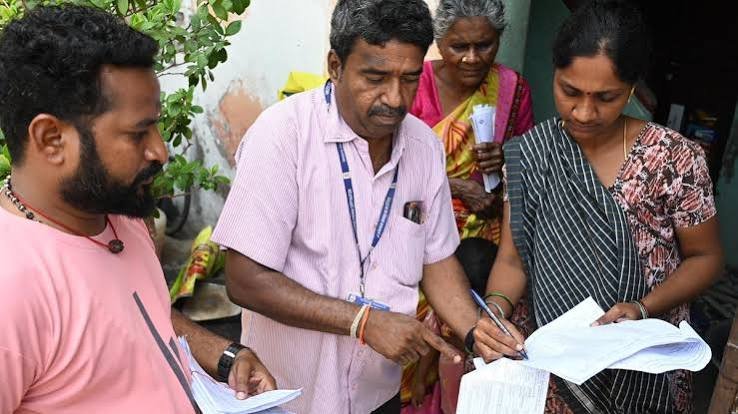
The Tripura Electoral Roll Revision has officially begun across the state as election authorities start preparations to update and verify voter records. Booth Level Officers (BLOs) have initiated planning and coordination meetings with booth agents representing registered political parties. Moreover, the exercise aims to ensure better coordination among election stakeholders during the revision process. The initiative will help authorities identify and address issues in electoral records before future elections.
Tripura House Voter Verification Set for September 15 to October 14, 2026
Tripura Electoral Roll Revision Begins at Booth Level
The Tripura Electoral Roll Revision has entered its initial stage with Booth Level Officers taking responsibility for ground-level coordination. BLOs play an important role in maintaining electoral rolls because they work directly with voters and local election networks.
As part of the process, BLOs have started planning and coordination meetings with booth agents from registered political parties. These meetings provide an opportunity for election officials and political representatives to discuss the revision exercise.
Furthermore, coordination at the booth level can help authorities identify potential issues during the verification process. Political parties can also raise concerns regarding voter records through their designated booth agents.
Meanwhile, the participation of representatives from different political parties can improve transparency in the electoral roll revision process. It also allows stakeholders to understand the procedures that officials will follow during the exercise.
Therefore, the initial meetings represent an important step before the revision work progresses further across polling areas.
Political Parties Join Electoral Roll Coordination
Political parties have an important role in the electoral roll revision process. Their booth agents can coordinate with BLOs and bring attention to issues involving voter records.
Moreover, coordination meetings allow election officials to communicate their plans directly to political representatives. This can reduce confusion and help different stakeholders understand their responsibilities.
The involvement of registered political parties also supports greater scrutiny of electoral rolls. Booth agents can monitor the process and communicate relevant concerns to their respective organisations.
Additionally, cooperation between BLOs and booth agents can make the revision exercise more systematic. Officials can focus on their assigned polling areas while political representatives can participate within the established electoral framework.
However, the revision process requires all stakeholders to follow the instructions issued by election authorities. Therefore, constructive coordination will remain important throughout the exercise.
The process also highlights the importance of accurate voter information. Electoral rolls form the foundation of elections, and authorities regularly undertake revision exercises to maintain their accuracy.
Why Electoral Roll Revision Matters
Accurate electoral rolls help ensure that eligible citizens can participate in elections. Consequently, the revision process carries significance for both voters and political parties.
During an electoral roll revision, authorities work to verify voter information and identify records that may require correction or updating. Such exercises can help improve the quality of electoral data.
Furthermore, voters benefit when their information remains accurate and up to date. Changes in personal details, residential circumstances or other relevant information can make periodic verification important.
Meanwhile, political parties closely monitor electoral rolls because voter data directly affects election preparations. Their booth-level representatives can therefore contribute to the process by communicating concerns to election officials.
The current exercise also gives election authorities an opportunity to strengthen coordination before future electoral activities. Therefore, the involvement of BLOs and booth agents at the planning stage remains significant.
Additionally, transparent communication can help build confidence among political parties and voters. When stakeholders understand the procedures, they can participate more effectively in the electoral process.
Tripura Electoral Roll Revision Enters Key Phase
The beginning of the Tripura Electoral Roll Revision marks another important stage in the state’s election-related preparations. BLOs have already started coordinating with booth agents, creating a framework for further activities at the polling-station level.
Moreover, the success of the exercise will depend on effective coordination between election officials, political parties and voters. Each group has a different responsibility, but their cooperation can help maintain reliable electoral records.
The planning meetings also demonstrate the importance of addressing potential issues before the revision work advances. Consequently, early communication can help officials respond to concerns more efficiently.
Meanwhile, political parties are expected to remain attentive to the process through their booth-level representatives. Their participation can provide an additional channel for identifying concerns during the revision exercise.
The electoral roll remains one of the most important components of any election. Therefore, maintaining accurate records remains essential for an orderly and credible electoral process.
As the revision continues, election authorities will oversee the activities at the grassroots level. Further developments will depend on the progress of verification and coordination across polling areas.
Ultimately, the exercise seeks to strengthen the electoral roll and support smoother election management in Tripura. The participation of political parties and their booth agents will remain an important part of that process.
Conclusion
The Tripura Electoral Roll Revision has begun with Booth Level Officers launching planning and coordination meetings with booth agents from registered political parties. Moreover, the initiative places emphasis on booth-level coordination and stakeholder participation. As the process progresses, cooperation among election officials, political representatives and voters will remain important for maintaining accurate and reliable electoral records across Tripura.
FAQs
1. What is the Tripura Electoral Roll Revision?
The Tripura Electoral Roll Revision is an exercise to review and update electoral records across the state.
2. Who has started the revision process?
Booth Level Officers have initiated planning and coordination activities at the booth level.
3. Are political parties involved in the revision?
Yes. Booth agents representing registered political parties have joined planning and coordination meetings with BLOs.
4. Why is electoral roll revision important?
Electoral roll revision helps authorities maintain accurate voter records and supports effective election management.
5. What role do Booth Level Officers play?
BLOs handle important ground-level electoral activities and coordinate with relevant stakeholders within their assigned polling areas.