


A dangerous new cyber fraud technique is rapidly spreading through WhatsApp messages and email, leaving unsuspecting citizens vulnerable to financial theft. Fraudsters are circulating links disguised as official notifications from the RTO Traffic Challan app, tricking users into clicking them. Once accessed, these malicious links compromise the victim’s device, steal personal data, and in several reported cases, lead to fraudulent withdrawals from bank accounts.
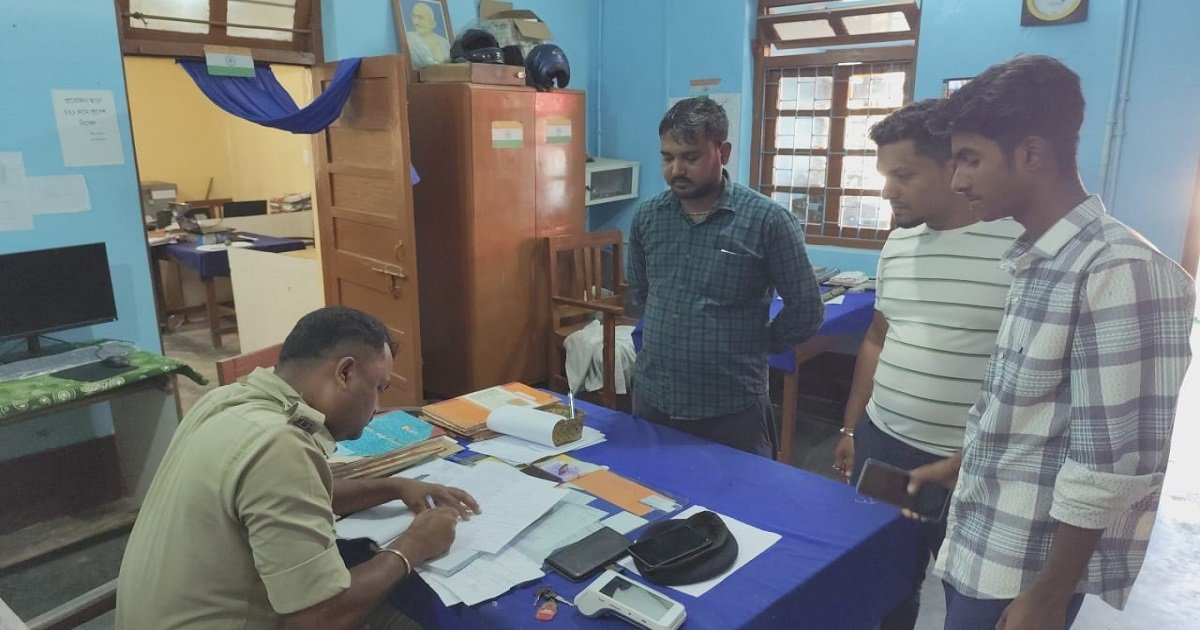
The scam came to light after a youth named Sumit Debnath lodged a complaint at Bishalgarh Police Station in Tripura. He reported that fake challan links were being widely shared across WhatsApp groups and email chains. Acting swiftly, police verified the complaint and issued a public warning advising people not to click on any suspicious link, even if it appears to come from an official government authority.
How the Scam Works
Cybersecurity experts explained that the fraud relies on phishing tactics—a method where hackers disguise harmful links to look authentic. Once a user clicks on the fake challan link, it prompts them to enter sensitive details such as mobile numbers, OTPs, or even banking credentials.
In many cases, simply opening the link allows hackers to install malware on the phone, granting them remote access. With this control, attackers can monitor WhatsApp chats, read emails, and in severe cases, carry out unauthorized transactions using the victim’s financial information.
Authorities highlighted that such phishing attacks are designed to appear genuine, often using logos, formats, and language similar to government apps, making it harder for users to detect fraud.
Police and Cyber Experts Issue Warning
The Tripura Police have urged the public to remain vigilant and adopt safe browsing practices. Citizens are advised to:
- Avoid clicking on unknown links received through WhatsApp, SMS, or email.
- Verify the source before responding to any message claiming to be from the RTO or government portals.
- Use only official websites or apps for checking traffic challans and other government services.
- Report suspicious messages immediately to the nearest police station or to Tripura’s cybercrime helpline.
An official statement emphasized, “Do not click on any unknown link. One single click can cost you your personal data and hard-earned money.”
Rising Cases of Online Scams in Tripura
This latest case adds to the growing list of cybercrime incidents in Tripura. With the increasing use of digital payments and government apps, fraudsters are exploiting trust in official communication channels. Experts warn that similar scams may emerge in the future, targeting other essential services like Aadhaar, banking apps, and income tax portals.
How to Stay Safe Online
To protect against such frauds, cyber experts recommend:
- Enable two-factor authentication on WhatsApp and banking apps.
- Keep your phone’s software updated to prevent malware attacks.
- Never share OTPs or passwords, even if the request seems genuine.
- Install trusted antivirus apps to detect malicious activity.
- Educate family members and elders who may be less aware of digital scams.
Conclusion
The Tripura Police’s timely alert serves as a reminder that cybercrime is evolving rapidly. Citizens must remain cautious, verify digital communications, and avoid falling prey to fraudulent links disguised as official notices. Staying informed and alert is the best defense against these modern cyber threats.