


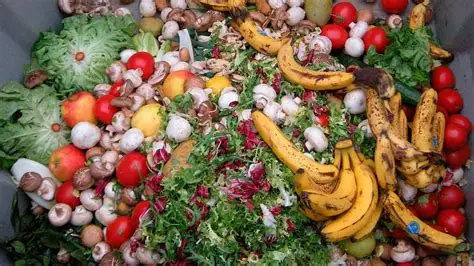
Tripura on Friday inaugurated a new Tripura banana waste facility aimed at converting agricultural residue into value-added products, marking a major step toward sustainable farming and circular economy practices. The facility seeks to reduce farm waste while creating additional income opportunities for farmers and local entrepreneurs.
Read More: Meghalaya CM Thanks PM Modi on Statehood Day
The inauguration reflects the state government’s focus on innovation-driven agriculture. Officials said banana cultivation produces large volumes of organic waste each year. Until now, most of this waste remained unused or created disposal challenges for farmers.
With the launch of the Tripura banana waste facility, the state aims to turn a long-standing problem into an economic opportunity. The initiative also aligns with broader efforts to promote eco-friendly industries and reduce environmental impact.
Facility focuses on sustainable waste management
The newly inaugurated Tripura banana waste facility will process stems, leaves, and other residues left after banana harvest. These materials will be converted into products such as fiber, compost, biodegradable materials, and organic inputs for farming.
Officials said the facility uses simple and scalable technology. This approach allows easy replication in other banana-growing areas of the state. As a result, waste management becomes both practical and profitable.
The project also addresses environmental concerns. Decomposing banana waste often releases methane when left untreated. By processing the waste, the facility helps reduce emissions while improving soil health through organic by-products.
Boost to farmers and rural livelihoods
The Tripura banana waste facility is expected to benefit farmers directly. Instead of discarding crop residue, farmers can now supply waste material to the processing unit. This creates an additional revenue stream without extra cultivation costs.
State officials said farmer producer groups and self-help groups will play a key role in supplying raw material. Therefore, rural communities remain central to the project’s success.
In addition, the facility opens new employment opportunities in collection, processing, and product development. Young people and women from nearby areas are expected to benefit from skill-based jobs linked to the unit.
Value-added products expand market potential
One of the main objectives of the Tripura banana waste facility is to produce market-ready value-added products. Banana fiber extracted from stems has demand in textiles, handicrafts, and eco-friendly packaging.
Organic compost produced at the unit will support sustainable farming practices. Farmers can use these inputs to reduce dependence on chemical fertilisers. As a result, soil fertility and crop quality may improve over time.
Officials said the state is exploring tie-ups with private buyers and cooperatives. Such partnerships can help ensure stable demand for products generated by the facility. This step will also strengthen supply chains for green products.
Aligns with green and circular economy goals
The facility aligns closely with Tripura’s vision of promoting a circular economy. By converting waste into useful products, the project ensures optimal use of agricultural resources.
Government representatives said the Tripura banana waste facility reflects the state’s commitment to climate-friendly development. Similar initiatives in agriculture, renewable energy, and waste management are already underway.
The project also supports national goals related to sustainable agriculture and waste reduction. Officials said innovation at the local level plays a crucial role in achieving larger environmental targets.
Technology and training support implementation
Authorities confirmed that training programmes will accompany the facility’s operations. Farmers, self-help groups, and workers will receive guidance on waste collection, handling, and processing techniques.
The Tripura banana waste facility will also serve as a demonstration unit. Students, researchers, and agriculture professionals can study the model and suggest improvements.
Experts involved in the project said technology selection focused on affordability and efficiency. This ensures long-term viability without heavy operational costs.
Encouraging diversification in agriculture
The initiative encourages diversification beyond traditional crop sales. By monetising agricultural residue, farmers gain resilience against price fluctuations and crop losses.
Officials said banana cultivation already plays a significant role in Tripura’s agricultural economy. The Tripura banana waste facility adds value to this sector without expanding land use.
Such diversification, they added, strengthens farm incomes while promoting responsible resource use. Therefore, agriculture becomes both profitable and sustainable.
Step toward replicable development model
The state government sees the project as a pilot for similar facilities. If successful, more units may come up in other districts with high banana production.
Officials said the Tripura banana waste facility demonstrates how small-scale innovation can deliver large social and environmental benefits. The model combines farmer participation, low-cost technology, and market linkage.
As Tripura continues to focus on sustainable development, initiatives like this facility highlight the potential of green entrepreneurship. By turning waste into wealth, the state takes a meaningful step toward a cleaner environment and stronger rural economy.
Read More: Exploring the Hidden Gems of Meghalaya: A Solo Traveler’s Guide