


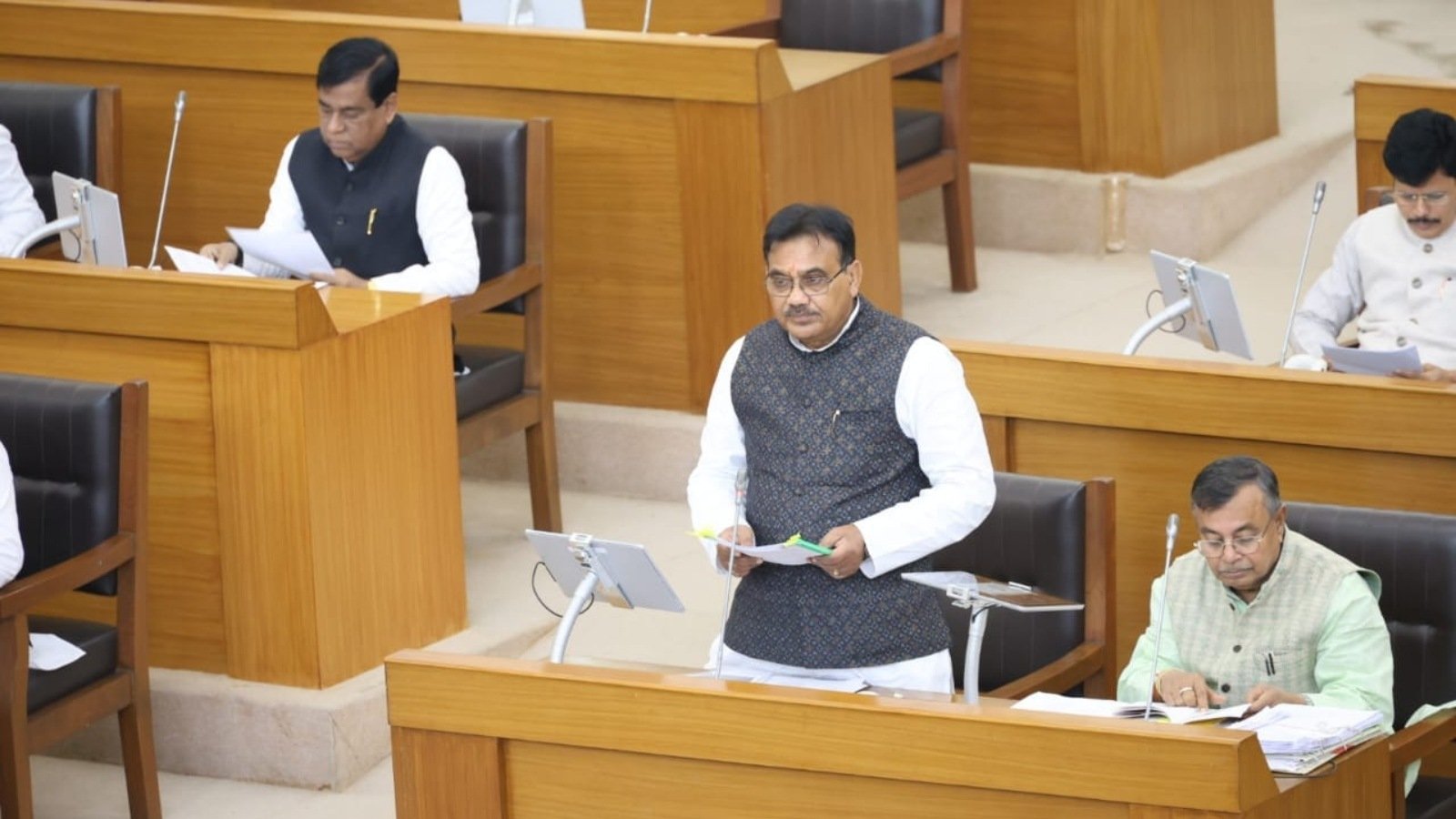
The political debate over public sector employment has intensified as Tripura Government Vacant Posts become a central issue raised by the Left Front, which has launched coordinated demands across the state urging the government to immediately fill large-scale vacancies in various departments. The opposition has increased pressure on the state cabinet, arguing that prolonged delays in recruitment are affecting governance efficiency, service delivery, and youth employment opportunities. The development has added fresh momentum to ongoing discussions on administrative capacity and public sector staffing in Tripura.
SUCI Agartala Protest Against Price Rise
Tripura Fuel Price Hike Triggers Political Row
Background
Government job vacancies have remained a long-standing administrative concern in many states, particularly where recruitment cycles face delays due to procedural, financial, or policy-level constraints. In Tripura, public employment continues to be a major socio-economic issue due to high demand for stable government jobs among educated youth.
Within this framework, Tripura Government Vacant Posts has emerged as a recurring political theme, often highlighted by opposition parties to question governance effectiveness and recruitment planning. Staffing shortages in departments can impact service delivery, implementation of welfare schemes, and day-to-day administrative functioning.
Successive governments have attempted to address vacancy backlogs through recruitment drives and policy reforms, though implementation timelines often vary across departments.
Current Update
The Left Front has intensified its statewide campaign, calling for urgent action to fill vacant positions across multiple government departments. Leaders have argued that delays in recruitment are creating administrative gaps and reducing efficiency in public service delivery.
The Tripura Government Vacant Posts issue has now become a coordinated political demand, with pressure being placed on the state cabinet to expedite hiring processes and publish clear recruitment timelines. Opposition representatives have also raised concerns over departmental functioning where staff shortages are reportedly affecting operational output.
Government officials are expected to review recruitment schedules and assess department-wise staffing requirements in response to these demands.
Key Details
Public sector vacancies typically arise due to retirements, resignations, promotions, and expansion of departmental responsibilities. Filling these posts requires structured recruitment processes involving notifications, examinations, and verification procedures.
The significance of Tripura Government Vacant Posts lies in its direct impact on administrative performance and public service efficiency. Delays in recruitment can slow down implementation of welfare schemes and reduce accessibility of government services at the local level.
Experts note that maintaining an updated staffing framework and ensuring timely recruitment cycles are essential for effective governance and institutional stability.
Impact and Public Significance
The issue has strong public relevance, particularly among job seekers and government employees awaiting recruitment opportunities. It also affects service delivery in areas such as healthcare, education, rural development, and infrastructure administration.
From a governance perspective, Tripura Government Vacant Posts highlights the importance of balancing administrative capacity with policy execution. Adequate staffing is essential for ensuring that government schemes reach beneficiaries without delay.
The ongoing political pressure may also influence future recruitment reforms and planning strategies within the state administration.
What Happens Next
The state government is expected to evaluate department-wise vacancy data and review recruitment timelines. Depending on administrative priorities, new notifications or accelerated hiring processes may be considered.
Political parties are likely to continue raising the issue in public forums, increasing pressure for transparency and accountability in recruitment planning. Future developments will depend on policy decisions and implementation capacity within the administration.
Conclusion
The renewed push by the Left Front has brought attention back to long-standing concerns over staffing shortages in government departments. As demands intensify, Tripura Government Vacant Posts has become a key political and administrative issue linked to governance efficiency, youth employment, and service delivery. The coming period will determine whether the pressure translates into accelerated recruitment and structural reforms.
FAQs
1. What is the main demand of the Left Front?
The Left Front is demanding immediate filling of vacant government posts across departments.
2. Why is this issue important?
It affects administrative efficiency, public service delivery, and employment opportunities.
3. What does Tripura Government Vacant Posts refer to?
It refers to the large number of unfilled positions in various state government departments.
4. How do vacancies impact governance?
They can slow down implementation of schemes and reduce departmental efficiency.
5. What is the government expected to do next?
It may review vacancy data and consider accelerated recruitment processes.
6. Why is this a political issue?
Because recruitment delays are being used to question governance performance and accountability.