


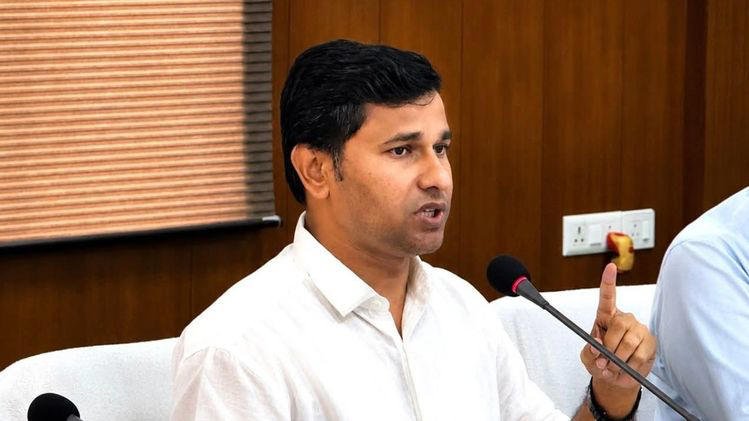
Tripura Scheduled Caste Welfare Minister Sudhangshu Das has called for faster and more effective implementation of welfare schemes aimed at improving the lives of Scheduled Caste (SC) communities across the state. He stressed that government programmes can achieve their objectives only when beneficiaries receive timely support and opportunities.
The minister made these remarks while addressing a review meeting of the Scheduled Caste Welfare Department at the Sonar Tori State Guest House. The meeting brought together chairpersons of Scheduled Caste Welfare Sub-Committees and departmental officials to assess the progress of various welfare initiatives and discuss future strategies.
Das said the government remains committed to ensuring that every eligible Scheduled Caste student, youth, and family receives the benefits of welfare schemes without delay. He urged officials and committee members to adopt a proactive approach and work closely with local communities to identify challenges and improve implementation.
Read More: Tripura CM Highlights Welfare Push While Inaugurating Development Projects in Dhalai District
According to the minister, efficient delivery of welfare programmes can play a crucial role in accelerating socio-economic development and creating new opportunities for Scheduled Caste citizens throughout Tripura.
Focus on Socio-Economic Development
During the meeting, Das emphasized that welfare schemes should not be viewed merely as government assistance programmes. Instead, they should serve as tools for empowerment and long-term development. He said the state government aims to improve living standards, enhance access to education, and create sustainable livelihood opportunities for Scheduled Caste communities.
The minister highlighted the importance of strengthening economic participation among marginalized groups. He noted that access to financial support, skill development, and employment opportunities can help families achieve greater self-reliance and financial stability.
He urged officials to monitor the progress of schemes regularly and ensure that benefits reach eligible beneficiaries on time. According to him, effective implementation can significantly improve the overall quality of life for Scheduled Caste families while reducing social and economic disparities.
Das also stressed the importance of maintaining transparency and accountability in programme execution. Proper monitoring and evaluation, he said, would help identify gaps and ensure better outcomes.
Government to Seek Suggestions for Future Initiatives
The minister noted that Tripura is home to 34 Scheduled Caste communities, each with its own social and economic needs. Recognizing this diversity, he said the government plans to seek suggestions from stakeholders before formulating future welfare initiatives.
Das emphasized that policies become more effective when they reflect the actual needs and aspirations of the communities they aim to serve. He encouraged community leaders, welfare committee members, and local representatives to share their views and recommendations.
The government intends to use these inputs to design targeted programmes that address specific challenges faced by Scheduled Caste communities. Such an approach, the minister said, will help ensure that development initiatives produce meaningful and long-lasting results.
He also pointed out that regular consultation with stakeholders can strengthen trust between communities and the government while improving the effectiveness of welfare measures.
Strengthening Economic Opportunities and Self-Employment
A major focus of the government’s welfare strategy is the creation of economic opportunities for Scheduled Caste citizens. During the review meeting, Das said the government is preparing a comprehensive strategy to promote entrepreneurship, self-employment, and skill-based livelihoods.
He explained that economic empowerment forms the foundation of sustainable development. When individuals gain access to income-generating opportunities, they can improve their living conditions and contribute to the broader economy.
The minister highlighted the need to encourage self-employment initiatives, particularly among young people. He said skill development programmes and financial assistance schemes can help aspiring entrepreneurs establish small businesses and become self-reliant.
According to Das, strengthening economic opportunities will not only improve household incomes but also contribute to social advancement and community development. He urged officials to focus on programmes that create lasting economic benefits rather than short-term support.
Review of PM-AJAY and Other Key Programmes
The review meeting also focused on the implementation of the Pradhan Mantri Anusuchit Jaati Abhyuday Yojana (PM-AJAY), one of the key welfare programmes for Scheduled Caste communities.
Das examined the progress of the scheme and discussed ways to improve its reach and effectiveness. Under PM-AJAY, beneficiaries receive support through multiple components, including grant-in-aid assistance, hostel construction, and skill development programmes.
The minister said the scheme has the potential to create significant opportunities for education, employment, and social development. He urged departmental officials to ensure proper utilization of resources and timely completion of projects under the programme.
By strengthening implementation, the government hopes to maximize the benefits available under PM-AJAY and improve the socio-economic condition of Scheduled Caste families across the state.
Importance of Scholarships and Development Schemes
Das also highlighted the role of educational support schemes in empowering Scheduled Caste students. He emphasized the importance of ensuring smooth implementation of Pre-Matric and Post-Matric Scholarship programmes.
These scholarships help students continue their education by reducing financial barriers. The minister said education remains one of the most effective tools for social mobility and long-term development.
Apart from scholarship programmes, he reviewed the Chief Minister’s Self-Reliant Family Scheme and the Chief Minister’s Scheduled Caste Development Scheme. Both initiatives aim to provide financial support and livelihood opportunities to eligible beneficiaries.
The minister also discussed the Nucleus Budget programme, which supports targeted welfare activities for Scheduled Caste communities. He stressed that successful implementation of these schemes can create a strong foundation for inclusive development and economic growth.
Ensuring Social Justice and Protection
During the meeting, Das underlined the importance of enforcing provisions under the Scheduled Castes and Scheduled Tribes (Prevention of Atrocities) Act. He said protecting the rights and dignity of Scheduled Caste citizens remains a key responsibility of the government.
The minister emphasized that welfare and development must go hand in hand with social justice. Creating a safe and supportive environment enables communities to participate fully in economic and social activities.
He urged officials to remain vigilant and ensure that legal protections reach those who need them. According to him, social empowerment is essential for achieving meaningful progress and equality.
Commitment to Inclusive Growth
Reaffirming the government’s commitment to inclusive growth, Das called on all stakeholders to work together for the welfare of Scheduled Caste communities. He said cooperation among government departments, welfare committees, community leaders, and citizens is crucial for achieving development goals.
The minister expressed confidence that stronger implementation of welfare schemes would improve education, employment, healthcare, and economic opportunities for Scheduled Caste families across Tripura.
He concluded by stating that the government remains dedicated to creating a more equitable and prosperous society. Through targeted welfare programmes, stakeholder participation, and effective implementation, Tripura aims to strengthen the socio-economic condition of Scheduled Caste communities and ensure that development benefits reach every eligible citizen.
Read More: El Nino May Hit India’s Monsoon, Rice and Maize Output: FAO