


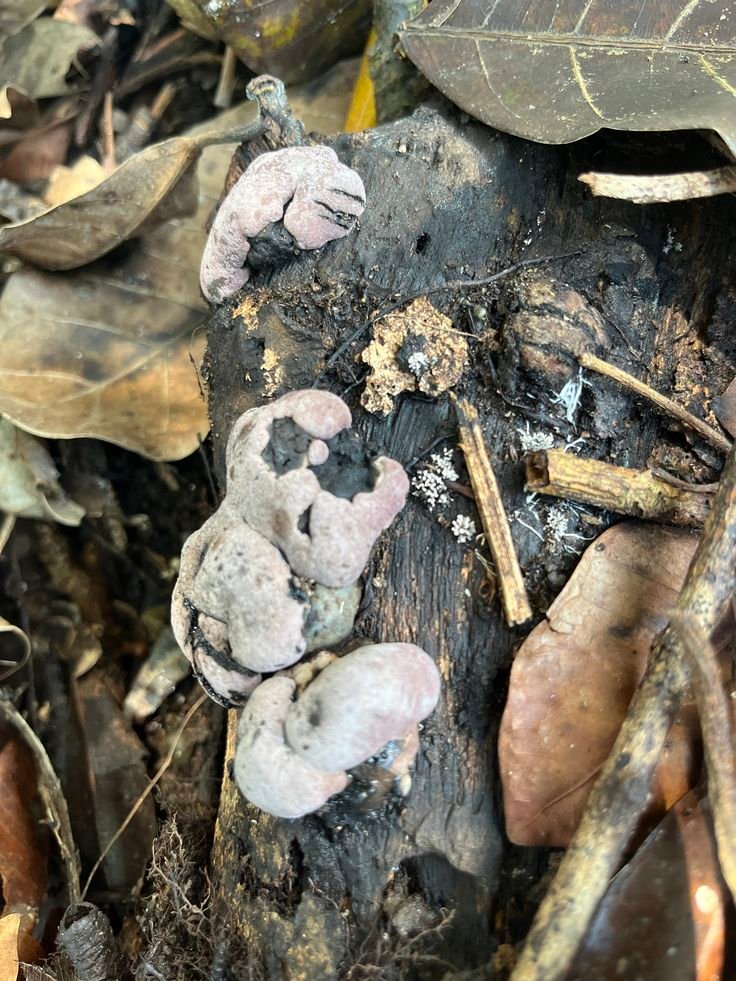
Tripura has launched a Tripura organic mushroom cultivation initiative to achieve self-sufficiency and promote sustainable farming, announced Agriculture and Farmer’s Welfare Minister Ratan Lal Nath. The program is designed to help local farmers increase income, diversify crops, and strengthen food security. Mushrooms are gaining popularity as a nutritious food source and a viable commercial crop.
Minister Nath said, “This initiative will empower our farmers while promoting healthy eating habits. Mushrooms are rich in protein, vitamins, and minerals, making them essential for nutrition and income generation.”
Farmer Training in Mushroom Cultivation
The first training workshop started at the Horticulture Research Complex in Nagicherra. Fifty-three Farmer Producer Companies (FPCs) participated. The training includes hands-on lessons on organic cultivation methods, pest management, and harvesting techniques.
Minister Nath emphasized that Tripura has already achieved self-sufficiency in milk, rice, fish, and eggs, but mushroom production needs to expand. “We want farmers to grow mushrooms efficiently and tap into local and international markets,” he added.
Farmers attending the workshops will receive guidance on:
- Selecting mushroom varieties suitable for Tripura’s climate.
- Preparing compost and substrate using organic methods.
- Maintaining optimal humidity, light, and temperature.
- Post-harvest handling and marketing strategies.
Integrating Tripura Organic Mushroom Cultivation
Tripura has 26,000 hectares dedicated to organic crops. By integrating mushrooms into existing farms, the initiative increases crop diversity. It also strengthens the state’s sustainability efforts.
Minister Nath emphasized that the state has successfully grown crops like onions despite challenges. This shows farmers can adopt new crops when supported with proper guidance and resources.
Farmers will implement mushroom cultivation in greenhouses, sheds, or even small backyard spaces. This flexibility ensures that both smallholders and large farms can participate.
Economic Opportunities
The state has already exported organic products such as 56 metric tons of rice, 579 metric tons of ginger, 53 metric tons of turmeric, 680 metric tons of pineapple, and 4.5 metric tons of bird’s eye chili.
With organic mushrooms, farmers can access local and international markets. The initiative provides economic opportunities and raises awareness of Tripura’s organic produce.
By tapping into export opportunities, Tripura can strengthen its position as a leading organic produce exporter in Northeast India.
Sustainability and Food Security
By promoting Tripura organic mushroom cultivation, the state addresses both nutrition and food security. Mushrooms offer high protein and essential minerals, helping local communities improve diets.
Additionally, the initiative supports sustainable farming practices. Organic cultivation reduces chemical use and enhances soil health. Farmers can maintain long-term productivity while meeting market demand.
READ MORE: Manipur Drug Bust: 67.26 kg WY Tablets Seized, Two Arrested
The government encourages farmers and FPCs to implement Tripura organic mushroom cultivation immediately. Training sessions will continue across districts.
Farmers are advised to start small, monitor crop growth, and gradually expand production. Minister Nath concluded: “Our goal is to ensure every interested farmer can participate. With proper guidance, mushrooms can become a reliable income source and a key element of Tripura’s organic farming success.”
Minister Nath urged farmers to adopt this method to increase income and strengthen food security. For more information, visit the Tripura Agriculture Department.