


The Tripura queen Durga story remains one of the most fascinating cultural narratives from Tripura. Rooted in royal tradition and devotion, the tale speaks of a dramatic moment when a queen fainted before Goddess Durga, leading to a lasting transformation in how the deity is depicted in the region.
This story is closely associated with the royal family of Tripura and reflects the deep spiritual connection between the monarchy and religious practices. Over time, it has become an integral part of the state’s cultural identity, especially during Durga Puja celebrations.
Read More: Meghalaya seeks higher LPG allocation amid supply issues
The Royal Setting and Devotion
The story dates back to the era of the Tripura kings, particularly during the reign of Maharaja Krishna Kishore Manikya. The Manikya dynasty, which ruled Tripura for centuries, was known for its patronage of art, culture, and religion.
Durga Puja held special significance in the royal court. The festival was not merely a religious event but also a symbol of royal prestige and cultural grandeur. Elaborate rituals, artistic idols, and community participation marked the celebrations.
The queen, deeply devoted to Goddess Durga, would personally participate in the rituals. Her faith and dedication were widely admired within the palace and beyond.
The Moment That Changed Everything
According to the Tripura queen Durga story, one year during the Durga Puja celebrations, an extraordinary incident took place. As the rituals progressed, the queen stood before the idol of Goddess Durga in deep devotion.
However, upon witnessing the fierce and powerful form of the goddess, she reportedly became overwhelmed. The intense expression of Durga, depicted in a traditional warrior stance slaying the demon Mahishasura, deeply affected her.
In a sudden turn of events, the queen fainted in front of the idol. The incident shocked the royal court and halted the ongoing rituals. Priests and attendants rushed to assist her, while the king was informed immediately.
The King’s Decision
When Maharaja Krishna Kishore Manikya learned about the incident, he was deeply concerned. While the idol followed traditional iconography, the queen’s reaction led him to reflect on the emotional impact of the depiction.
The king believed that devotion should inspire peace and comfort rather than fear. As a result, he decided to introduce a significant change in the representation of Goddess Durga in Tripura.
He instructed artisans to create a more serene and compassionate form of the goddess. Instead of emphasizing the fierce battle scene, the new depiction would highlight Durga’s benevolent and motherly aspects.
Transformation of the Durga Idol
Following the king’s directive, artisans began crafting idols that differed from the conventional style seen across many parts of India. The Tripura version of Goddess Durga gradually evolved into a calmer and more composed figure.
In this new representation, the goddess retained her divine aura but appeared less aggressive. The focus shifted towards her role as a protector and nurturer rather than solely a warrior.
This transformation marked a significant departure from traditional iconography. Over time, it became a defining feature of Durga Puja in Tripura.
Cultural Significance and Legacy
The Tripura queen Durga story holds deep cultural significance. It illustrates how local traditions can adapt and evolve based on unique historical experiences.
Even today, many Durga idols in Tripura reflect this distinctive style. The influence of the royal decision continues to shape artistic expressions and religious practices in the state.
Moreover, the story highlights the role of the monarchy in shaping cultural traditions. The Manikya kings were not just political rulers but also custodians of heritage and belief systems.
The tale also underscores the emotional and personal dimensions of faith. The queen’s reaction, though unexpected, led to a transformation that resonated with many devotees.
Durga Puja in Tripura Today
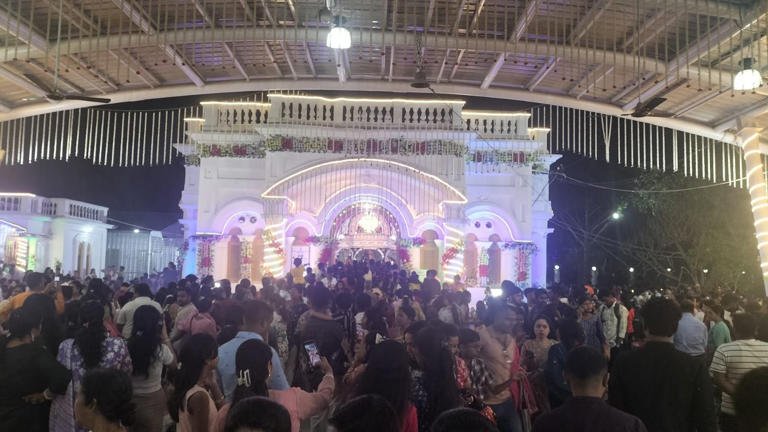
Durga Puja remains one of the most celebrated festivals in Tripura. While modern influences have introduced new styles and themes, traditional elements continue to hold strong.
Many puja committees still honor the legacy of the royal tradition by incorporating serene depictions of Goddess Durga. This blend of history and modernity creates a unique cultural experience.
The festival also serves as a reminder of the state’s rich heritage. Stories like that of the Tripura queen add depth and meaning to the celebrations, connecting the past with the present.
A Story That Endures
The Tripura queen Durga story is more than just a historical anecdote. It represents the dynamic nature of culture and the ability of traditions to evolve.
Through a single moment in the royal court, a new artistic and spiritual direction was established. The king’s decision ensured that devotion remained accessible and comforting for all.
In conclusion, this remarkable tale from Tripura continues to inspire generations. It reminds us that even deeply rooted traditions can change, guided by compassion, understanding, and the human experience of faith.
Read More: Arunachal Anti-Trafficking Operation Rescues Seven Women