


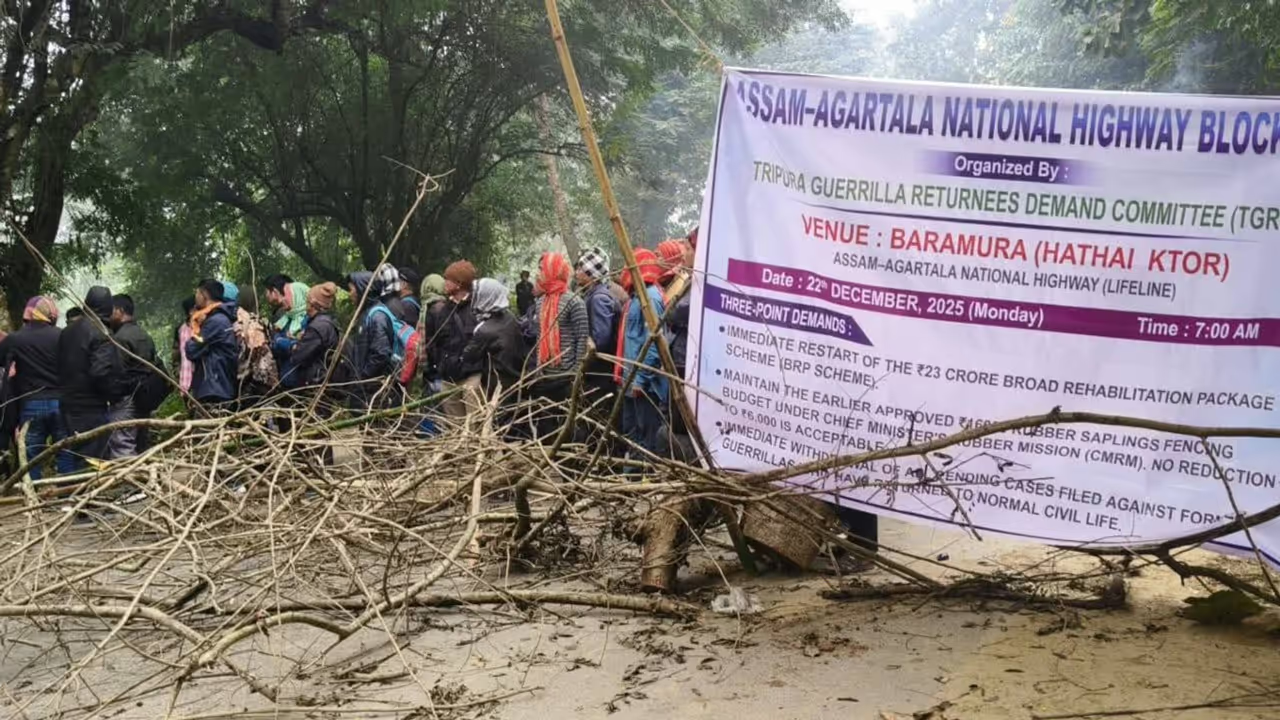
The Tripura Rehabilitation Blockade Demand has gained attention after former cadres of the National Liberation Front of Tripura (NLFT) and All Tripura Tiger Force (ATTF) announced a 72-hour rail and road blockade across the state. The groups stated that the protest aims to highlight pending rehabilitation-related demands. Moreover, the announcement has prompted discussions about reintegration policies, public transportation disruptions, and the government’s response to long-standing rehabilitation issues.
Arunachal Anti Conversion Draft Advances with New Policy Recommendations
Inspiring Asiatic Bear Cubs Release Marks Conservation Success
Tripura Rehabilitation Blockade Demand Announced by Former Cadres
The Tripura Rehabilitation Blockade Demand emerged as a significant development after former members of the NLFT and ATTF announced plans for a 72-hour rail and road blockade across the state. The groups stated that the action is intended to draw attention to rehabilitation concerns that they believe require immediate government intervention.
Moreover, the announcement has generated interest among residents, policymakers, and security agencies because of its potential impact on transportation and daily life. Authorities are closely monitoring the situation as discussions continue.
Former Militants Raise Rehabilitation Concerns
The individuals behind the proposed blockade are former cadres who previously belonged to insurgent organizations active in Tripura. Consequently, their demands center on rehabilitation measures that were designed to support reintegration into mainstream society.
Additionally, rehabilitation programs often focus on employment opportunities, financial assistance, skill development, housing support, and social inclusion. Former cadres argue that unresolved issues remain in several of these areas.
Planned Blockade Could Affect Transportation
The proposed 72-hour blockade may affect both road and rail transportation across various parts of Tripura. Therefore, commuters, businesses, and transport operators are closely following developments related to the announcement.
Furthermore, transportation networks play a crucial role in connecting communities, facilitating trade, and ensuring access to essential services. Any disruption could have a noticeable impact on daily activities throughout the state.
Importance of Rehabilitation Programs
Rehabilitation initiatives are often considered an essential component of peacebuilding and conflict resolution efforts. Consequently, governments implement such programs to help former militants transition into civilian life and participate in economic and social activities.
Moreover, successful rehabilitation can contribute to long-term stability by creating opportunities for education, employment, and community engagement. These measures frequently support broader development goals.
Historical Context of Reintegration Efforts
Tripura has witnessed various efforts aimed at encouraging former insurgents to return to mainstream society. Therefore, rehabilitation policies have remained an important aspect of the state’s security and development framework.
Additionally, reintegration programs typically require sustained administrative support and coordination among multiple government departments. Effective implementation often determines their long-term success.
Government Faces Calls for Dialogue
The announcement of the blockade has intensified calls for dialogue between authorities and the groups raising the demands. Consequently, many observers believe that communication remains a key mechanism for addressing grievances and identifying practical solutions.
Furthermore, discussions between stakeholders can help clarify concerns, assess policy implementation, and explore avenues for resolving outstanding issues. Constructive engagement often reduces the likelihood of prolonged disputes.
Public Impact Remains a Major Consideration
Residents across Tripura are evaluating how the proposed blockade could affect their daily routines. Notably, disruptions to transportation may influence travel plans, business operations, and access to services.
Moreover, authorities typically seek to minimize inconvenience to the public while addressing concerns raised by various groups. Balancing public interests and stakeholder demands remains an important challenge.
Security Agencies Monitor the Situation
Law enforcement and security agencies are maintaining vigilance as the announced blockade approaches. Therefore, officials are assessing potential risks and preparing measures aimed at ensuring public safety and maintaining order.
Additionally, coordination among administrative authorities, transport agencies, and security personnel may be necessary to manage any developments arising from the protest action.
Broader Implications for Policy Discussions
The Tripura Rehabilitation Blockade Demand has also renewed attention on broader questions related to rehabilitation policy and reintegration frameworks. Consequently, policymakers may revisit existing programs to evaluate their effectiveness and identify areas for improvement.
Furthermore, discussions surrounding rehabilitation often extend beyond financial assistance and include issues related to social inclusion, employment, and long-term community support.
Future Developments Will Be Closely Watched
The situation is expected to remain under close observation as stakeholders assess possible outcomes. Meanwhile, government authorities, community representatives, and former cadres may continue discussions regarding the rehabilitation concerns that prompted the blockade announcement.
Moreover, future developments could influence how rehabilitation policies are implemented and reviewed in the state. Continued engagement among all parties may play an important role in determining the path forward.
Conclusion
The Tripura Rehabilitation Blockade Demand has brought renewed focus to rehabilitation and reintegration issues involving former cadres of the NLFT and ATTF. By announcing a 72-hour rail and road blockade, the groups have sought to draw attention to concerns they believe remain unresolved despite existing rehabilitation initiatives. The development has sparked discussions among government authorities, security agencies, community leaders, and the wider public.
Moreover, the proposed blockade highlights the importance of effective rehabilitation programs in supporting long-term peace and social stability. Successful reintegration efforts can create opportunities for former militants while contributing to broader development goals within the state. At the same time, transportation disruptions associated with such protests can affect residents and businesses, making timely dialogue an important consideration.
Furthermore, the situation underscores the value of communication and policy review in addressing stakeholder concerns. As authorities evaluate the demands and monitor developments, attention will remain focused on finding constructive solutions that balance public interests with rehabilitation objectives. Overall, the Tripura Rehabilitation Blockade Demand represents a significant issue that may shape future discussions on reintegration policies and governance in Tripura.
FAQs
Q1. Who announced the proposed blockade in Tripura?
Former cadres of the National Liberation Front of Tripura (NLFT) and the All Tripura Tiger Force (ATTF) announced the planned rail and road blockade.
Q2. How long is the blockade expected to last?
The groups have announced a 72-hour blockade covering both rail and road transportation networks across Tripura.
Q3. What is the Tripura Rehabilitation Blockade Demand?
The Tripura Rehabilitation Blockade Demand refers to the protest action and demands raised by former cadres seeking attention to rehabilitation-related issues and support measures.
Q4. Why are rehabilitation programs important?
Rehabilitation programs help former militants reintegrate into society through employment, education, financial assistance, and social support initiatives.
Q5. How could the blockade affect the public?
The proposed blockade may impact transportation, travel schedules, commercial activities, and access to services if implemented as announced.