


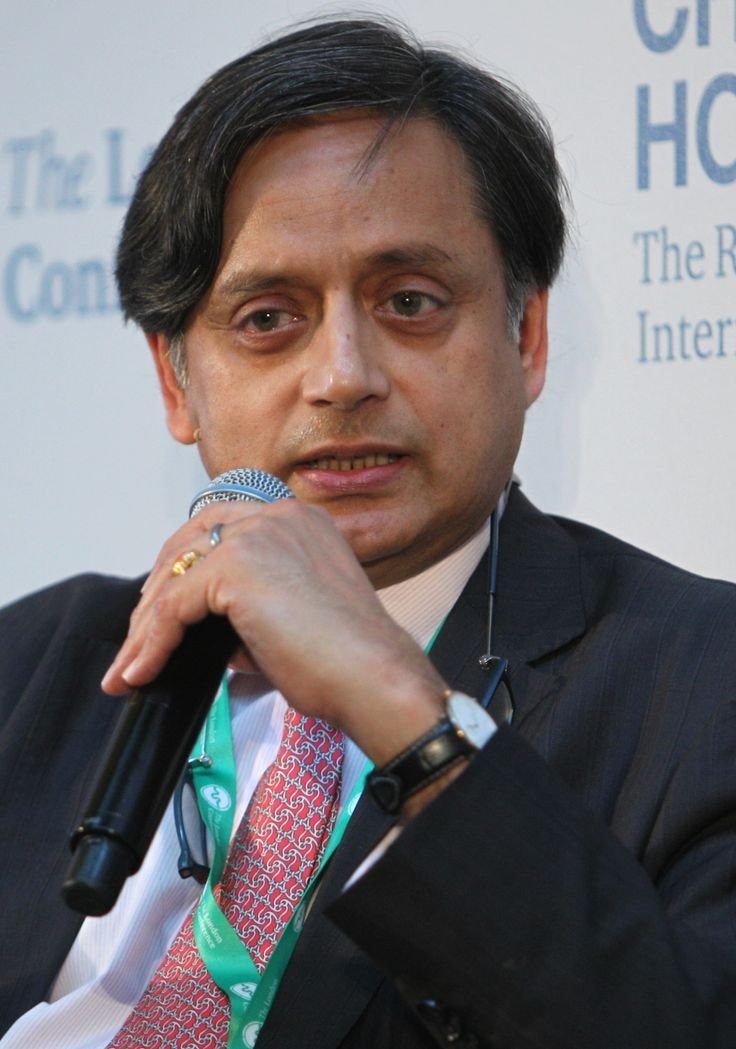
The Tripura student killing in Dehradun has sparked outrage across India, drawing sharp condemnation from political leaders, activists, and citizens. Senior Congress leader Shashi Tharoor described the incident as a “national disgrace,” urging the country to confront the racism and prejudice that Northeastern communities continue to face.
The Incident That Shocked India
On December 9, 2025, Angel Chakma, a 24‑year‑old MBA student from Tripura, was attacked in Dehradun’s Selaqui area. Eyewitnesses reported that the attackers hurled racial slurs such as “Chinese” and “momo” before stabbing him with knives and striking him with brass knuckles. Despite immediate hospitalization, Angel succumbed to his injuries on December 26.
The Tripura student killing is being treated as a racially motivated hate crime. For many Northeastern Indians, it reflects the discrimination they face daily in cities far from home.
Shashi Tharoor’s Strong Words
Shashi Tharoor condemned the killing, calling it a national disgrace. He emphasized that the crime was not just against one student but against the idea of India itself.
“Every citizen deserves dignity and respect. This crime strikes at the heart of our national identity,” Tharoor said.
His statement resonated widely, sparking debates about racism, inclusivity, and the urgent need for systemic change.
Racism Against Northeastern Communities
The Tripura student killing in Dehradun highlights a larger issue. Northeastern citizens often face discrimination in housing, education, and workplaces. Many report being mocked for their appearance, stereotyped as outsiders, or denied opportunities.
This prejudice is not new. Past incidents include assaults, verbal abuse, and even deaths of Northeastern students in Delhi, Bengaluru, and other cities. Activists argue that India must recognize racism as a serious social problem rather than dismissing it as casual ignorance.
Everyday Challenges
- Housing discrimination: Landlords often refuse to rent to Northeastern tenants.
- Workplace bias: Job applicants report being rejected due to their appearance.
- Cultural stereotyping: Northeastern food, clothing, and traditions are mocked.
These challenges create a sense of alienation, making students and professionals feel unwelcome in their own country.
Nationwide Outrage and Justice Demands
The killing triggered protests across campuses and online platforms. Student groups demanded swift justice for Angel Chakma. Authorities arrested suspects, but civil society insists that punishment alone is not enough.
Protesters want a national anti‑racism policy and stronger awareness campaigns. They believe India must act decisively to protect marginalized communities.
Voices of Protest
- Student unions organized candlelight vigils in Delhi, Guwahati, and Shillong.
- Civil society groups launched petitions demanding anti‑racism legislation.
- Social media campaigns under hashtags like #JusticeForAngel and #StopRacismInIndia gained traction nationwide.
Why This Killing Matters for India’s Future
India celebrates diversity, yet the Tripura student killing reveals cracks in that narrative. If Northeastern citizens continue to feel unsafe, national unity suffers.
This tragedy forces India to confront uncomfortable truths. It challenges the country to prove that equality is more than a slogan.
The Idea of India at Stake
India’s strength lies in its pluralism. When prejudice undermines that pluralism, the very foundation of democracy weakens. The killing of Angel Chakma is not just a crime—it is a test of India’s conscience.
Government and Institutional Response
Authorities in Uttarakhand promised a thorough investigation. Police arrested suspects and assured the public of swift justice. However, activists argue that systemic reforms are necessary.
Suggested Measures
- Legal reforms: Introduce specific laws against racial discrimination.
- Educational initiatives: Launch awareness programs in schools and universities.
- Community outreach: Encourage cultural exchange programs to foster inclusivity.
READ MORE: Demow Rural Hospital Achieves Zero Snakebite Deaths for 5th Year
The outrage must lead to change. Citizens, institutions, and lawmakers must act together:
- Universities should launch anti‑racism programs.
- Lawmakers must strengthen hate crime laws.
- Citizens should challenge stereotypes in everyday life.
India cannot afford another Tripura student killing. As Tharoor emphasized, this is about protecting the idea of India.