


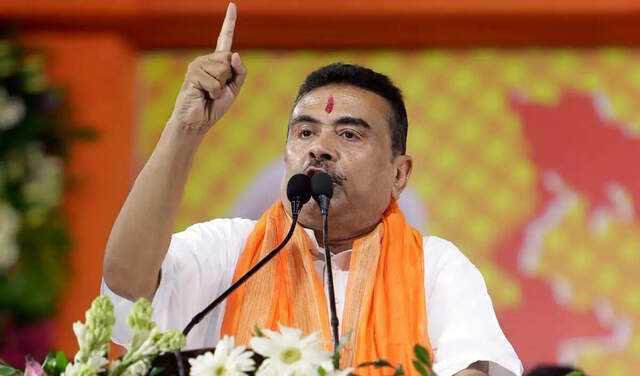
The West Bengal government has expanded its cabinet with the induction of 35 new ministers, marking one of the most significant administrative reshuffles in recent years. The expansion aims to strengthen governance, improve departmental efficiency, and enhance the implementation of development and welfare programmes across the state.
Chief Minister Mamata Banerjee oversaw the cabinet expansion, which included the induction of new faces as well as the allocation of responsibilities across key departments. The move reflects the government’s efforts to reinforce its administrative structure and prepare for future governance challenges.
Political observers view the expansion as an important step in strengthening the state’s decision-making framework while ensuring broader representation across regions and communities.
Read More: TMC Announces Statewide Agitation, Mamata Banerjee to Hold Kolkata Sit-In on June 2
Major Cabinet Expansion Announced
The induction of 35 ministers significantly increases the strength of the state government and provides additional administrative support across various sectors.
The newly appointed ministers took the oath of office during a ceremony attended by senior government officials, legislators, and party leaders. The event marked a major political development in West Bengal and attracted considerable public attention.
Officials stated that the expansion aims to distribute responsibilities more effectively and improve the functioning of departments handling critical sectors such as infrastructure, education, healthcare, rural development, and social welfare.
The government believes that a larger ministerial team can contribute to faster decision-making and more efficient service delivery.
Strengthening Governance Structure
One of the primary objectives behind the cabinet expansion is to strengthen the state’s governance framework. As West Bengal continues to implement numerous development initiatives, the government has emphasized the need for greater administrative capacity.
Additional ministers can help oversee projects, monitor implementation, and coordinate with departments more effectively. This becomes increasingly important as the state pursues large-scale infrastructure and welfare programmes.
The Chief Minister has repeatedly stressed the importance of responsive governance and timely delivery of public services. The cabinet expansion aligns with this broader objective.
Officials indicated that the move would help improve coordination between departments and enhance policy execution.
Focus on Development Priorities
The newly expanded cabinet is expected to play a key role in advancing the state’s development agenda. West Bengal has undertaken projects in sectors including roads, healthcare, education, industry, urban development, and rural infrastructure.
Ministers will be responsible for supervising initiatives designed to improve public services and support economic growth. The government hopes that strengthened leadership across departments will accelerate project implementation.
Officials noted that development remains a central priority and that administrative reforms are necessary to ensure efficient governance.
The cabinet expansion is therefore viewed as part of a broader strategy to support ongoing development efforts.
Representation Across Regions
Regional representation often plays an important role in cabinet formation. The latest expansion seeks to provide broader participation from different parts of West Bengal.
The inclusion of leaders from various districts can help ensure that local concerns receive adequate attention within the government. Such representation also strengthens communication between the administration and citizens.
Political analysts observed that regional balance remains a key consideration in cabinet appointments. By including ministers from different areas, the government aims to maintain inclusiveness in decision-making.
Officials stated that representation from diverse regions contributes to more effective governance and better policy outcomes.
Opportunities for Emerging Leaders
The cabinet expansion has also created opportunities for emerging political leaders to take on greater responsibilities.
Several newly inducted ministers are expected to bring fresh perspectives and energy to the administration. Their inclusion reflects the government’s efforts to combine experienced leadership with new talent.
Political observers noted that cabinet expansions often serve as platforms for developing future leadership within the ruling party.
The induction of younger leaders can strengthen governance while encouraging innovation and new approaches to public administration.
The government hopes that the expanded team will contribute positively to policy implementation and public service delivery.
Administrative Efficiency a Key Goal
Improving administrative efficiency remains one of the main objectives of the cabinet expansion. Managing a large and diverse state requires effective coordination across multiple departments and agencies.
Additional ministers can help reduce administrative burdens by overseeing specific sectors and ensuring closer monitoring of government programmes.
Officials emphasized that stronger departmental leadership can improve accountability and accelerate decision-making processes.
The government expects that the expanded cabinet will help address emerging challenges while maintaining the pace of development initiatives.
Political Significance of the Expansion
Beyond governance considerations, the cabinet expansion carries political significance. Major reshuffles often provide insights into a government’s priorities and future direction.
Political observers believe the move may help strengthen organizational coordination within the ruling establishment. It also offers an opportunity to reward leaders who have contributed to governance and party activities.
The expansion demonstrates the government’s intention to reinforce its administrative and political structure ahead of future challenges.
Analysts noted that cabinet changes frequently serve both governance and political objectives, making them important developments in state politics.
Public Expectations from New Ministers
Citizens and stakeholders will closely watch the performance of the newly appointed ministers. Public expectations remain high regarding service delivery, infrastructure development, employment generation, and welfare implementation.
The ministers are expected to work closely with officials and local representatives to address issues affecting residents across the state.
Government programmes related to education, healthcare, housing, agriculture, and social welfare will likely remain key focus areas.
Officials stated that the expanded cabinet will strive to ensure that development benefits reach all sections of society.
Focus on Welfare and Service Delivery
West Bengal has implemented numerous welfare schemes over the years, covering sectors such as healthcare, education, social security, and financial assistance.
The expanded cabinet is expected to strengthen the implementation of these initiatives. Improved supervision and coordination can help ensure that beneficiaries receive services efficiently.
Ministers will play a critical role in monitoring programme performance and addressing administrative challenges.
The government believes that stronger leadership across departments will contribute to improved outcomes and greater public satisfaction.
Looking Ahead
The induction of 35 new ministers marks a significant chapter in West Bengal’s governance landscape. The cabinet expansion reflects the government’s effort to strengthen administration, improve efficiency, and support the state’s development priorities.
By broadening representation and enhancing departmental leadership, the government aims to accelerate project implementation and improve service delivery across sectors. The move also creates opportunities for emerging leaders while reinforcing the state’s governance framework.
As the newly appointed ministers assume their responsibilities, attention will focus on how effectively the expanded cabinet addresses public expectations and advances the state’s development agenda. The reshuffle underscores the government’s commitment to strengthening governance and ensuring that development initiatives continue to benefit citizens across West Bengal.
Read More: Assam Launches ‘Mission 2 Lakh Govt Jobs’ With Dedicated Task Force Push