


New Delhi:
As companies worldwide grapple with talent shortages, rising hiring costs, and longer recruitment cycles, artificial intelligence is increasingly being seen as a solution to one of business’s oldest challenges: finding the right people at the right time. Against this backdrop, Indian AI recruitment startup Orkbe has raised $500,000 in foreign investment, highlighting a broader shift in how global investors view the future of hiring technology.
The funding comes at a time when HR technology is undergoing structural change. Traditional recruitment models—largely dependent on job postings, resume databases, and manual screening—are proving insufficient for modern hiring demands. Platforms that embed intelligence directly into hiring workflows are beginning to attract serious attention, both from enterprises and investors.
Recruitment Under Pressure
Over the last few years, hiring complexity has increased across industries. Companies are hiring for more specialised roles, managing distributed teams, and dealing with fluctuating workforce requirements. At the same time, recruiters are expected to close positions faster while maintaining candidate quality.
Industry data suggests that recruiters often spend a significant portion of their time on initial resume screening, a process that adds limited strategic value but consumes substantial resources. As hiring volumes increase, this inefficiency becomes even more pronounced.
It is this pressure on recruitment teams that has created demand for AI-led platforms capable of automating early-stage decision-making.
Orkbe’s Approach to Intelligent Hiring
Founded by Prashant Daebak, also known as Prashant Pandey, Orkbe was designed to rethink recruitment from the ground up. Instead of functioning as a job marketplace, the platform operates as an AI-powered hiring engine.
Employers using Orkbe can input role requirements in plain language or upload detailed job descriptions. The system then analyses the information to understand skill relevance, experience expectations, and contextual intent. Based on this analysis, it identifies candidate profiles that align closely with the requirement.
This approach aims to reduce dependency on keyword searches and manual filtering, which often fail to capture real role fit.
Information about the platform and its capabilities is available on www.orkbe.com.
What the Funding Indicates
While Orkbe has not disclosed details about the foreign investors involved in the $500,000 round, analysts say the funding reflects a growing appetite among global investors for Indian SaaS companies building AI-first enterprise solutions.
Foreign capital in early-stage and growth-stage Indian startups is increasingly selective, often favouring companies that demonstrate clear product differentiation and global applicability. Recruitment technology fits this profile, as hiring challenges are largely universal across markets.
Orkbe’s funding suggests that investors see potential in platforms that move beyond incremental automation and attempt to embed intelligence at the core of enterprise processes.
Use of Capital and Product Roadmap
According to people familiar with the company’s plans, Orkbe intends to use the capital to deepen its AI and machine learning capabilities. Improving accuracy in candidate-role matching remains a key focus, as even marginal improvements can significantly impact hiring outcomes at scale.
The company also plans to invest in infrastructure upgrades to support enterprise clients managing high job volumes. Team expansion, particularly in engineering and data science, is another priority area.
Product enhancements aimed at improving employer experience and integration with existing HR systems are also expected to be part of the roadmap.
A Shifting HR Tech Landscape
The HR technology market has evolved rapidly, with companies adopting digital tools for applicant tracking, interview scheduling, and employee engagement. However, many of these tools still rely on human judgement at critical stages, particularly during shortlisting.
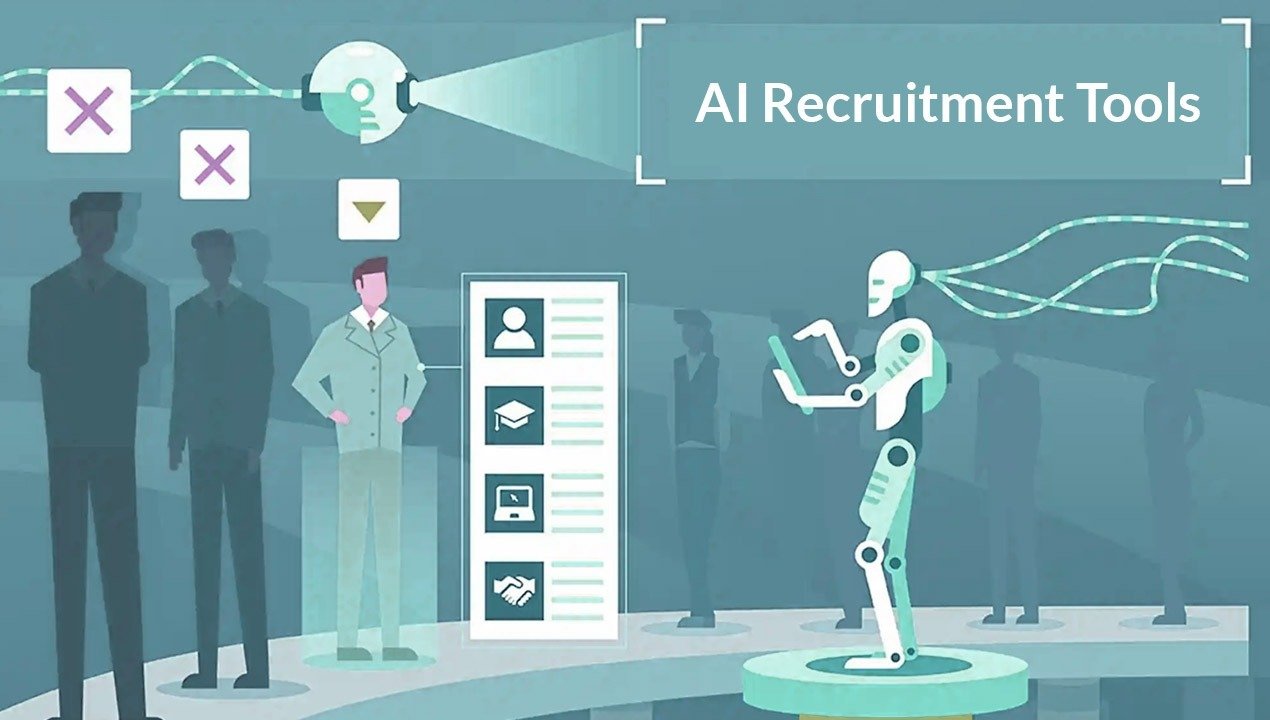
AI-driven recruitment platforms aim to fill this gap by assisting—or in some cases replacing—manual decision-making during early hiring stages. Experts say this shift mirrors changes seen earlier in areas such as marketing, finance, and operations, where data-driven systems now play a central role.
India has emerged as a key innovation hub in this space, partly due to its large hiring volumes and strong engineering talent base.
Competitive Dynamics
The recruitment technology ecosystem includes a mix of legacy players and new-age startups. While large platforms benefit from scale and brand recognition, newer companies often differentiate through specialised use cases and advanced technology.
Orkbe operates in a segment that prioritises speed, automation, and intent-based matching. Analysts note that success in this category will depend on consistent performance, trust from employers, and the ability to demonstrate measurable improvements in hiring efficiency.
As enterprises become more open to AI-driven decision support, platforms that can prove reliability are likely to gain traction.
Founder-Led Execution
Founder Prashant Daebak has emphasised a product-led growth strategy, focusing on building technology that directly addresses recruiter pain points. According to people who have interacted with the company, Orkbe’s development has been driven by real-world hiring scenarios rather than theoretical models.
This execution-focused approach is increasingly valued by investors, particularly in enterprise SaaS, where adoption depends heavily on usability and tangible outcomes.
The Global Opportunity
Demand for efficient recruitment solutions is not limited to India. Companies across geographies face similar challenges around hiring speed, talent availability, and operational efficiency. This creates an opportunity for platforms built in India to serve global markets.
Foreign investors backing Orkbe are likely viewing the company through this lens—evaluating its potential to scale beyond domestic use cases and address international hiring needs.
What Lies Ahead
With fresh funding in place, Orkbe enters a phase where execution will be closely watched. Delivering consistent value to employers, improving AI accuracy, and scaling responsibly will be critical to maintaining momentum.
As hiring becomes more competitive and technology-driven, platforms that can reduce friction and improve outcomes are expected to play a larger role in enterprise operations.
Conclusion
Orkbe’s $500,000 foreign investment reflects more than a single startup’s progress. It highlights a broader shift in how recruitment is evolving and how investors are responding to that change.
As AI continues to reshape enterprise functions, recruitment appears poised for a transformation driven by intelligence rather than volume. Startups like Orkbe, building AI-first hiring platforms from India, are positioning themselves at the centre of this transition.