


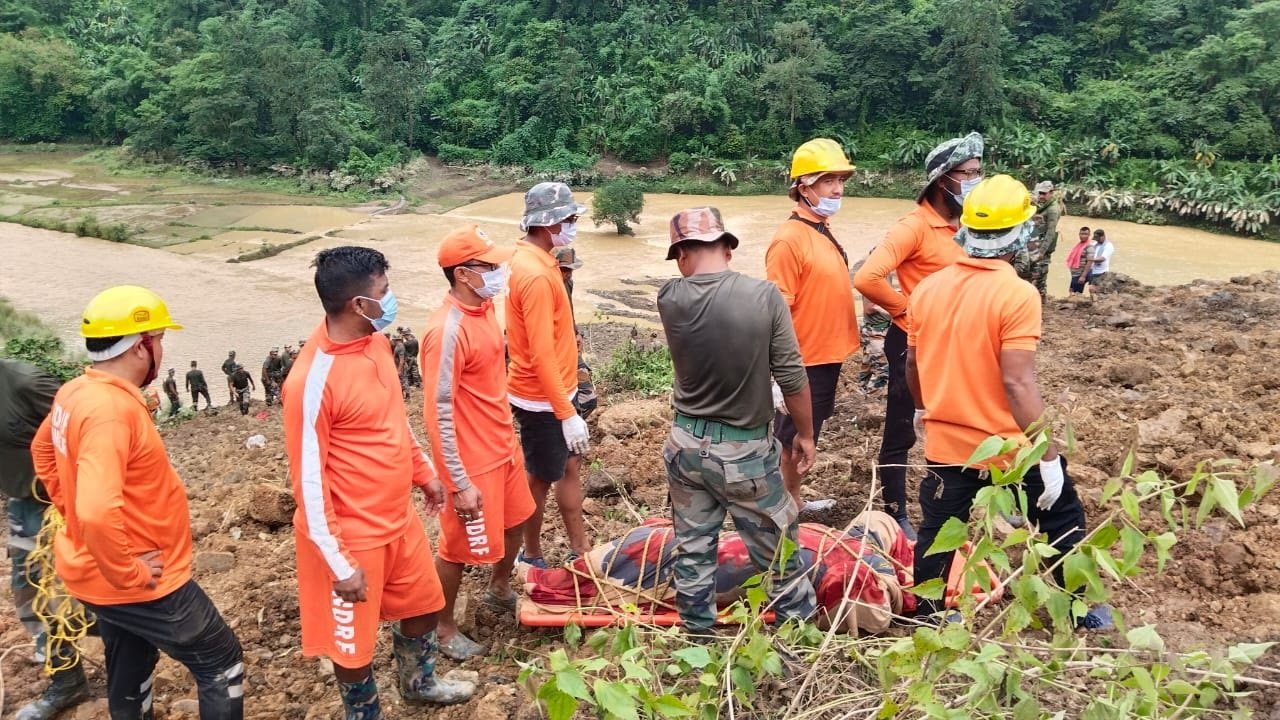
Members of the Young Mizo Association (YMA) demonstrated the Mizo cultural value of tlawmngaihna, or selfless service, by collectively mobilizing to help recover a vehicle that had crashed off a cliffside road.
The voluntary rescue effort highlighted the strong community spirit associated with the YMA and its tradition of helping people during difficult situations. Moreover, the incident demonstrated how local volunteers can quickly come together when communities face emergencies.
The rescue effort once again placed Mizoram’s culture of collective service in the spotlight.
Engineering Quota Discrepancy: MZP Seeks Governor’s Intervention Over Seven Central Pool Seats
YMA Volunteers Mobilize for Rescue
YMA members responded collectively after a vehicle crashed off a cliffside road.
Rather than waiting for formal assistance, volunteers organised themselves to help with the recovery operation. Furthermore, the coordinated effort showed the ability of community groups to respond quickly when an emergency occurs.
The operation reflected the YMA’s longstanding emphasis on community service.
Tlawmngaihna Guides the Response
The rescue effort demonstrated tlawmngaihna, a Mizo cultural principle that emphasises selfless service and helping others.
The concept encourages individuals to put community welfare ahead of personal convenience. Additionally, volunteers often demonstrate this value through practical assistance during accidents, disasters, and other difficult situations.
The YMA’s response provided a visible example of the tradition in action.
Community Members Work Together
The recovery required collective effort from a large group of volunteers.
Members worked together to assist with the difficult task of bringing the vehicle back from the roadside area. Moreover, coordinated community action can become especially valuable in locations where terrain or access makes emergency response challenging.
The incident demonstrated the strength of local cooperation.
YMA’s Strong Community Role
The Young Mizo Association has a long history of community-based service in Mizoram.
Its members regularly participate in activities connected with social welfare, community support, disaster response, and public initiatives. Furthermore, the organisation’s extensive local presence allows volunteers to mobilise quickly when communities need assistance.
The latest rescue effort reflects this broader role.
Difficult Terrain Creates Challenges
Roads in Mizoram frequently pass through hilly and steep terrain.
When vehicles leave roads in such areas, recovery can become difficult because of challenging access and uneven ground. Additionally, volunteers need to coordinate carefully when working around damaged vehicles and difficult roadside conditions.
The large turnout helped provide the manpower required for the recovery effort.
Volunteerism Strengthens Communities
Volunteer-driven responses can strengthen relationships within local communities.
People who work together during emergencies develop greater trust and solidarity. Moreover, collective action can provide immediate practical assistance while formal emergency services coordinate their own response.
The YMA’s involvement demonstrates how organised volunteer networks can contribute to community resilience.
A Reflection of Mizo Culture
The incident has attracted attention because it reflects a cultural value deeply associated with Mizo society.
Tlawmngaihna encourages people to help others without expecting personal recognition or reward. Furthermore, its influence can be seen in community activities ranging from everyday assistance to responses during emergencies.
The YMA volunteers’ actions provide a contemporary example of this principle.
Youth Participation in Community Service
The rescue also highlights the role of young people in community activities.
Youth organisations can provide manpower, organisation, and local knowledge during difficult situations. Additionally, participation in voluntary service can strengthen civic responsibility and encourage younger generations to remain connected with community traditions.
The YMA continues to provide an important platform for such participation.
More Than a Vehicle Recovery
Although the immediate objective involved recovering a vehicle, the collective response carried a wider social message.
The volunteers demonstrated solidarity with people facing a difficult situation. Moreover, their willingness to contribute time and effort without seeking personal benefit reflects the spirit behind tlawmngaihna.
The operation therefore became an example of community service as well as emergency assistance.
Preserving Traditional Values
Modern communities face changing social and economic conditions, yet traditional values can continue to shape public life.
The YMA’s response shows how cultural principles can translate into practical action. Furthermore, such examples can help younger generations understand the relevance of traditional values in contemporary society.
Tlawmngaihna therefore remains more than a historical concept.
Building Community Resilience
Strong volunteer networks can help communities respond more effectively to unexpected situations.
Organised groups with established local connections can mobilise people quickly and coordinate assistance. Additionally, community participation can complement the work of professional emergency and disaster-response agencies.
The YMA’s rescue effort illustrates this potential.
What Happens Next?
The incident serves as another example of the YMA’s community-focused approach.
Continued participation in voluntary activities can help preserve the spirit of tlawmngaihna while strengthening community preparedness. Moreover, collaboration between volunteer groups and official agencies can make emergency responses more effective.
The rescue has consequently highlighted the enduring value of community cooperation in Mizoram.
Conclusion
The YMA rescue effort demonstrated the Mizo cultural principle of tlawmngaihna, as volunteers collectively mobilised to recover a vehicle that had crashed off a cliffside road.
Moreover, the response highlighted the YMA’s strong tradition of community service and the willingness of local volunteers to assist others during difficult situations. At the same time, the incident showed how cultural values can continue to shape practical community action.
Overall, the volunteers’ collective response stands as a powerful example of selfless service, community solidarity, and the enduring Mizo spirit of tlawmngaihna.
FAQs
1. What is tlawmngaihna?
Tlawmngaihna is a Mizo cultural value associated with selfless service, community responsibility, and helping others.
2. What did the YMA volunteers do?
YMA members collectively mobilised to help recover a vehicle that had crashed off a cliffside road.
3. Why is the rescue significant?
The effort demonstrated community solidarity and the practical application of tlawmngaihna.
4. What is the YMA?
The Young Mizo Association is a prominent community organisation in Mizoram that participates in various social and voluntary activities.
5. How does volunteerism benefit communities?
Organised volunteerism can provide rapid local assistance, strengthen community relationships, and improve resilience during emergencies.