


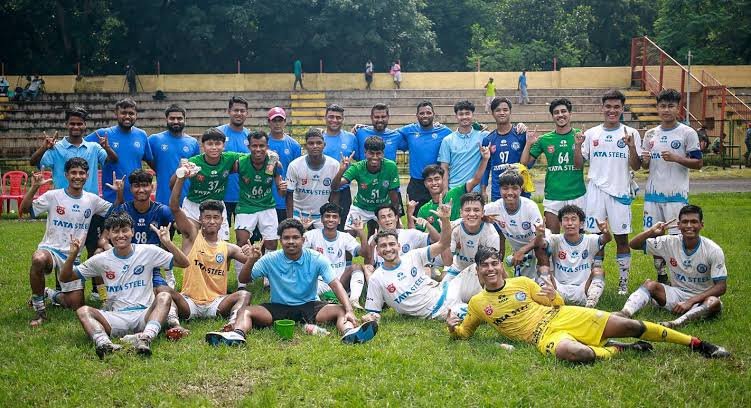
Young football talents have earned selection for a state sports academy following multi-district trials aimed at identifying promising players. The selection process provided young athletes with an opportunity to demonstrate their skills in front of coaches and sports officials. Moreover, the trials highlighted the growing focus on structured football development at the grassroots level.
The initiative can help create a stronger pathway from district-level football to organised academy training. Selected players are expected to gain access to more systematic coaching and competitive exposure. Therefore, the trials represent an important step in identifying and nurturing emerging football talent.
Sikkim Special Gram Sabha Drives Awareness of Watershed Schemes and SHG Livelihoods
Multi-District Football Trials Identify Emerging Talent
The multi-district trials brought together young footballers from different areas for an assessment of their sporting abilities. Such trials allow coaches to compare players from varied backgrounds under a common selection process. Consequently, talented youngsters can receive opportunities beyond their local competitions.
Player assessment generally considers several aspects of football ability. Technical skills, ball control, passing, movement, decision-making and match awareness can all influence a player’s prospects. Physical coordination and the ability to work within a team can also form important parts of youth development.
Furthermore, competitive trials give coaches a clearer understanding of how players respond to pressure. Training drills can demonstrate technical ability, while match situations reveal decision-making and tactical awareness. This combination helps selectors identify players who could develop further within a structured programme.
The multi-district format also broadens the talent pool available to academy selectors. Players from smaller towns and districts can compete alongside youngsters from areas with established football programmes. As a result, the process can help reduce geographical barriers in youth sports development.
State Sports Academy Selection Opens New Pathway
Selection for a state sports academy can provide young footballers with a more organised development environment. Academy programmes typically combine regular training with technical instruction, fitness work and competitive opportunities. Therefore, selection can mark the beginning of a longer development journey rather than an endpoint.
For young players, consistent coaching remains particularly important. Coaches can identify individual strengths while also working on areas that require improvement. Moreover, regular sessions can help players develop discipline, tactical understanding and match awareness over time.
Academy-based training can also introduce youngsters to higher standards of competition. Players who previously competed mainly at district level may encounter teammates and opponents with different playing styles and levels of experience. Such exposure can encourage them to adapt and improve.
However, selection alone does not guarantee progression to elite football. Youth development requires patience because players mature at different rates. Continued attendance, commitment to training and academic balance can all contribute to a sustainable sporting journey.
Grassroots Football Development Gains Importance
Grassroots football remains a key foundation for building a wider talent pipeline. Local schools, clubs, district associations and community programmes can provide young players with their earliest opportunities to learn the game. Meanwhile, structured trials can connect these grassroots activities with higher-level training systems.
The identification of young players across multiple districts can strengthen that connection. Instead of relying only on established football centres, selectors can observe talent from a broader geographic area. This approach can help uncover players who may otherwise receive limited exposure.
Additionally, youth football programmes can provide benefits beyond competitive performance. Regular sport encourages teamwork, discipline, communication and responsibility. Young athletes also learn how to handle both success and setbacks while working toward long-term goals.
Coaches and families play an important role in maintaining this development environment. Young players need appropriate guidance as they balance training, education and other responsibilities. A supportive structure can help them pursue football without placing unnecessary pressure on short-term results.
Selected Players Face Next Stage of Development
The academy selection gives the successful players an opportunity to continue developing under more structured conditions. Their next stage will likely involve regular training, performance assessment and participation in organised competitions. Consequently, the selection process should be viewed as the start of continued evaluation.
Academy coaches can use the training period to understand each player’s strengths and developmental needs. Some youngsters may excel technically, while others may show stronger tactical awareness or defensive qualities. Individualised coaching can help players gradually build a more complete football skill set.
Meanwhile, competition will remain an important part of their progress. Match experience allows young footballers to apply training concepts in real situations. It also teaches them how to communicate with teammates, respond to changing match conditions and make decisions under pressure.
The selected players can also become examples for other youngsters in their districts. Their progress may encourage more children to participate in organised football and seek opportunities through school, club and district-level competitions. In this way, one selection programme can contribute to a wider sporting culture.
Conclusion
The multi-district trials have created a valuable pathway for young footballers seeking opportunities at the state level. Selection for a state sports academy can provide access to structured coaching, competitive exposure and continued player development.
At the same time, the process highlights the importance of grassroots scouting across different districts. With sustained training and appropriate support, promising youngsters can continue building their skills and potentially progress to higher levels of football.
FAQs
What was the purpose of the state sports academy trials?
The trials aimed to identify promising young footballers from multiple districts and provide selected players with a pathway toward structured academy development.
How can academy training help young footballers?
Academy training can provide regular coaching, technical development, tactical instruction, fitness work and greater exposure to organised competition.
Why are multi-district trials important for football?
Multi-district trials broaden the talent pool and allow selectors to identify promising players from areas beyond established football centres.
Does academy selection guarantee a professional football career?
No. Selection provides a development opportunity, but players still need consistent training, competitive experience, discipline and continued improvement.
How can grassroots football support young players?
Grassroots clubs, schools and district programmes give children opportunities to learn football and compete. They can also provide pathways toward higher-level trials and academies.