


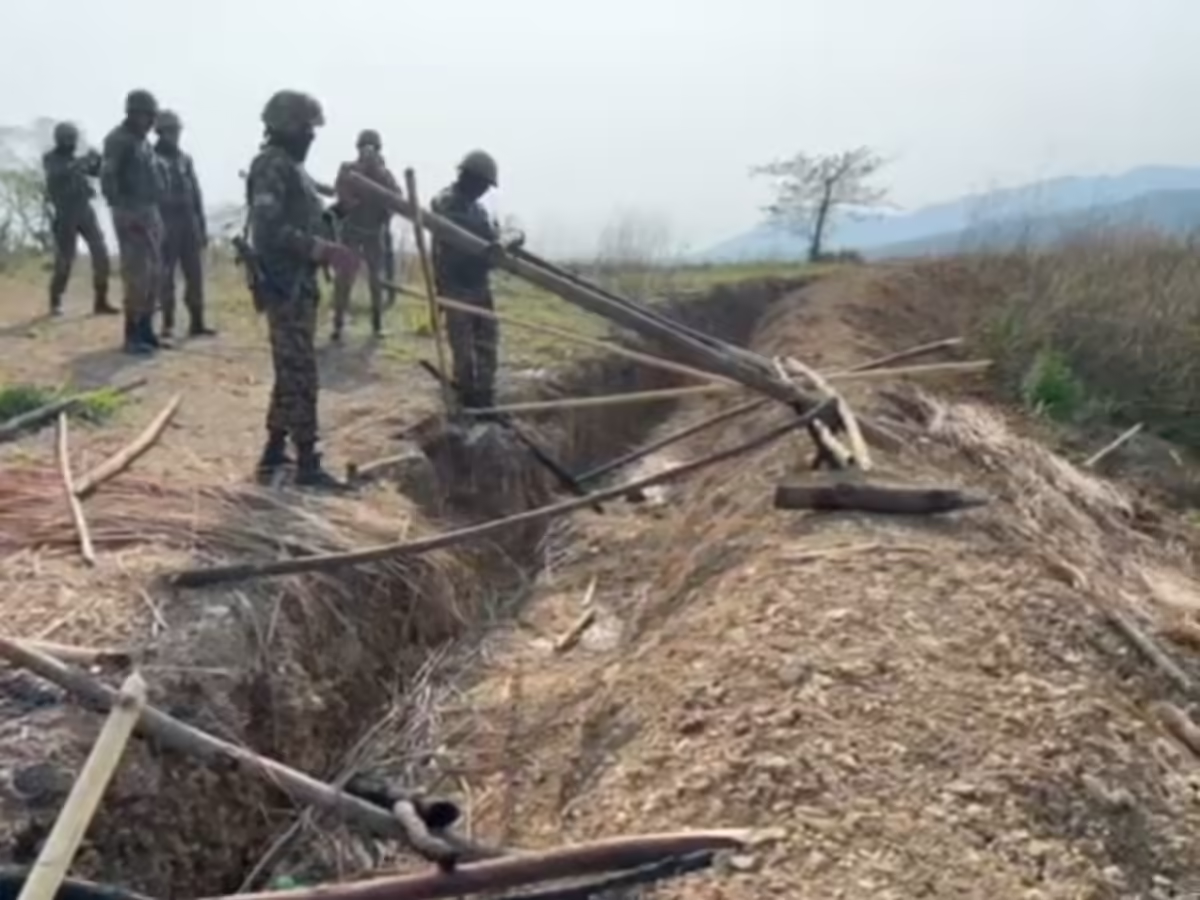
The 30 bunkers dismantled in Kangpokpi mark a significant development in ongoing security operations aimed at strengthening stability in sensitive areas. Moreover, joint security forces carried out aggressive area-dominance measures and successfully located and destroyed illegal bunkers across Leilon Vaiphei and Konsakhul villages. Consequently, the operation highlighted the continued focus on maintaining law and order and preventing the misuse of fortified structures. Meanwhile, authorities continue to emphasize coordinated action and sustained vigilance to ensure peace and public safety.
Naga Groups Demand SoO Abrogation as NPCM Calls for Immediate End to Pact with Kuki Militant Groups
30 Bunkers Dismantled in Kangpokpi During Joint Security Operation
The 30 bunkers dismantled in Kangpokpi were identified during a coordinated operation conducted by joint security forces. Moreover, the action formed part of broader efforts to strengthen control over sensitive regions and address security concerns.
Area-dominance operations play an important role in maintaining stability. Furthermore, such measures help authorities monitor vulnerable locations and respond effectively to emerging challenges. As a result, security agencies continue to prioritize coordinated operations.
The dismantling of illegal bunkers across Leilon Vaiphei and Konsakhul villages reflects the importance of proactive measures. Additionally, these operations help improve situational awareness and strengthen law enforcement capabilities. Therefore, authorities remain focused on maintaining order.
Meanwhile, security personnel continue to assess developments and conduct regular patrols. Similarly, coordinated efforts among different agencies have become increasingly important. Hence, collaboration remains a central aspect of operational planning.
Although operations in difficult terrain present challenges, sustained efforts contribute to enhancing stability. Nevertheless, continued vigilance remains essential.
Area-Dominance Tactics Strengthen Security in Sensitive Villages
The 30 bunkers dismantled in Kangpokpi were the result of aggressive area-dominance tactics employed by joint forces. Moreover, these operations are aimed at ensuring greater control over strategic locations.
Area-dominance strategies help improve security preparedness. Furthermore, regular operations enable authorities to identify and address potential risks. Consequently, such measures contribute to maintaining peace and order.
Leilon Vaiphei and Konsakhul villages became the focus of the operation due to the presence of illegal bunkers. Additionally, coordinated actions helped security personnel carry out the mission effectively. Therefore, area-dominance operations remain a key element of security planning.
Meanwhile, authorities continue to emphasize the importance of preventive measures. Similarly, inter-agency cooperation enhances the effectiveness of operations. Hence, security frameworks continue to evolve through coordinated approaches.
Although maintaining stability requires ongoing efforts, proactive strategies can strengthen resilience. Nevertheless, regular monitoring remains necessary.
Joint Security Forces Continue Counter-Insurgency Measures
The 30 bunkers dismantled in Kangpokpi highlight the broader counter-insurgency efforts being undertaken by security agencies. Moreover, coordinated operations are viewed as essential for maintaining peace and public confidence.
Counter-insurgency measures rely on intelligence and operational cooperation. Furthermore, joint missions improve response capabilities and optimize resources. As a result, security agencies continue to focus on collaborative strategies.
The operation demonstrated the importance of coordination among different forces. Additionally, effective communication and planning contribute to successful outcomes. Therefore, inter-agency cooperation remains a cornerstone of security efforts.
Meanwhile, authorities are continuing to strengthen mechanisms for addressing emerging challenges. Similarly, regular reviews help improve operational readiness. Hence, coordinated responses remain central to maintaining stability.
Although security concerns can evolve over time, consistent efforts help improve preparedness. Nevertheless, sustained engagement remains important.
Public Safety and Stability Remain Key Priorities
The 30 bunkers dismantled in Kangpokpi have once again underscored the importance of maintaining peace and public safety. Moreover, authorities continue to prioritize operations aimed at strengthening security and restoring confidence.
Public safety remains a major objective of law enforcement agencies. Furthermore, preventive measures contribute to creating a secure environment for communities. Consequently, security forces continue to maintain a proactive approach.
The operation also highlights the significance of cooperation and preparedness. Additionally, coordinated actions support broader efforts to preserve stability. Therefore, maintaining peace remains a shared responsibility.
Meanwhile, authorities continue to monitor developments and strengthen institutional mechanisms. Similarly, ongoing operations are expected to contribute to long-term security objectives. Hence, vigilance remains a critical aspect of planning.
Although challenges persist, sustained cooperation and effective responses can strengthen stability. Nevertheless, long-term commitment will remain necessary.
Conclusion
The 30 bunkers dismantled in Kangpokpi during joint security operations represent an important step in ongoing efforts to strengthen stability and maintain law and order. Moreover, the destruction of illegal bunkers across Leilon Vaiphei and Konsakhul villages highlights the effectiveness of coordinated area-dominance measures. Consequently, the operation underscores the commitment of security agencies to preserving peace.
The mission also reflects the broader emphasis on counter-insurgency operations and inter-agency cooperation. Furthermore, proactive strategies and continuous monitoring remain essential for addressing security concerns. As a result, authorities continue to focus on maintaining public confidence and stability.
Looking ahead, the 30 bunkers dismantled in Kangpokpi demonstrate the importance of sustained vigilance and coordinated responses. Additionally, continued cooperation among security agencies will remain crucial for ensuring long-term peace and security. Therefore, maintaining public safety and strengthening stability will continue to guide future operations.
FAQs
1. Where were the 30 bunkers dismantled in Kangpokpi?
The illegal bunkers were dismantled across Leilon Vaiphei and Konsakhul villages in Kangpokpi district.
2. Who carried out the operation?
Moreover, joint security forces conducted the area-dominance operation and destroyed the bunkers.
3. Why are area-dominance operations important?
These operations help strengthen security and improve monitoring of sensitive areas. Consequently, they contribute to maintaining stability.
4. What was the purpose of dismantling the bunkers?
The operation aimed to eliminate illegal structures and enhance public safety. Furthermore, it supported broader counter-insurgency efforts.
5. Why is the 30 bunkers dismantled in Kangpokpi operation significant?
The operation is significant because it highlights coordinated security measures and reinforces efforts to maintain peace and law and order.