


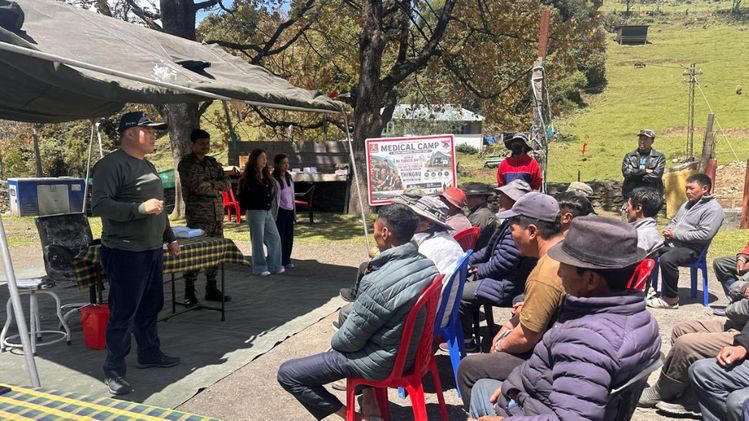
Arunachal Pradesh Chief Minister Pema Khandu praised the Indian Army for organizing a medical camp for border communities on World No Tobacco Day. The initiative promoted healthcare access and raised awareness about the harmful effects of tobacco use.
The Indian Army conducted the camp in remote border areas of the state. Doctors provided health check-ups, consultations, medicines, and counseling services. The programme also focused on encouraging people to adopt healthier lifestyles.
Khandu appreciated the Army’s efforts to improve the well-being of people living in border villages. He said the initiative reflected the force’s commitment to serving communities beyond its duty of protecting the nation’s borders.
Read More: Tripura CM Manik Saha Attends Mann Ki Baat, PM SVANidhi Scheme Event
Medical Camp Reaches Remote Villages
The medical camp brought essential healthcare services closer to people living in remote regions. Many residents often face difficulties in accessing medical facilities because of challenging terrain and limited connectivity.
Doctors and healthcare workers examined patients and offered consultations for various health conditions. They also distributed medicines and provided guidance on preventive healthcare measures.
Residents from several villages attended the programme. Many beneficiaries received medical advice without traveling long distances. As a result, the camp helped improve access to healthcare services in the region.
Healthcare professionals also educated participants about maintaining good health through proper nutrition, exercise, and regular check-ups.
World No Tobacco Day Awareness Campaign
The programme coincided with World No Tobacco Day, which aims to spread awareness about the dangers of tobacco consumption.
Medical experts interacted with villagers and explained the health risks linked to smoking and smokeless tobacco products. They discussed how tobacco use can affect the heart, lungs, and other organs.
The awareness campaign encouraged people to avoid tobacco and adopt healthier habits. Healthcare workers distributed educational materials and shared information about tobacco-related diseases.
In addition, they offered counseling to individuals who wanted to quit tobacco. The campaign highlighted the importance of prevention and early intervention in reducing health risks.
Officials said awareness programmes in remote regions play a key role in improving public health. Such initiatives help people make informed decisions about their well-being.
CM Khandu Appreciates Army’s Contribution
Chief Minister Pema Khandu commended the Indian Army for supporting border communities through welfare initiatives. He said the force has consistently helped local residents through healthcare, education, and social outreach programmes.
According to Khandu, the medical camp demonstrated the strong relationship between the Army and local communities. He noted that such programmes improve healthcare access and strengthen trust among residents.
The Chief Minister emphasized the importance of regular health camps in remote regions. He said these initiatives help address healthcare challenges and improve the quality of life for people living in difficult terrains.
Khandu also encouraged organizations and agencies to continue conducting similar outreach programmes across the state.
Improving Healthcare Access in Border Areas
Many parts of Arunachal Pradesh remain geographically isolated. Mountainous terrain and scattered settlements often make healthcare delivery challenging.
Medical outreach programmes help bridge this gap. They ensure that healthcare professionals reach people who may otherwise struggle to access medical services.
The camp offered consultations for common illnesses and health concerns. Doctors also identified patients who required additional treatment and guided them toward appropriate healthcare facilities.
Such initiatives support early diagnosis and timely treatment. Consequently, they help reduce health complications and improve community well-being.
Officials stressed that regular medical camps can strengthen healthcare delivery in remote regions. They also create greater awareness about preventive healthcare practices.
Focus on Preventive Healthcare
Preventive healthcare formed an important part of the programme. Healthcare professionals encouraged residents to take proactive steps to maintain good health.
Doctors discussed the importance of balanced diets, physical activity, and routine medical examinations. They also highlighted the need to avoid harmful habits such as tobacco consumption.
The World No Tobacco Day campaign reinforced these messages. Experts explained how quitting tobacco can improve health outcomes and reduce the risk of serious diseases.
Participants actively engaged in discussions and sought advice from medical professionals. Many residents expressed interest in adopting healthier lifestyles after attending the programme.
The organizers aimed to create long-term awareness rather than provide only short-term medical support.
Indian Army’s Role in Community Welfare
The Indian Army regularly conducts community welfare programmes in border regions. These initiatives complement its primary responsibility of safeguarding the country’s borders.
In Arunachal Pradesh, the Army has organized various activities related to healthcare, education, skill development, and infrastructure support. Such efforts have benefited many remote communities over the years.
The medical camp on World No Tobacco Day reflected the Army’s broader commitment to social development. Through these programmes, the force continues to strengthen its connection with local residents.
Community members welcomed the initiative and appreciated the Army’s efforts to address healthcare needs in remote areas.
Strong Community Participation
The programme witnessed active participation from local residents, community leaders, healthcare workers, and Army personnel.
Villagers attended awareness sessions and underwent medical examinations. They also interacted with doctors regarding various health concerns.
Community leaders encouraged people to participate in the camp and learn about preventive healthcare. Their involvement helped increase awareness and improve outreach.
Officials said community participation plays a vital role in the success of healthcare campaigns. When residents actively engage in such programmes, awareness spreads more effectively across villages.
The event demonstrated how collaboration between communities and service providers can create meaningful outcomes.
Building Healthier Border Communities
The medical camp highlighted the importance of accessible healthcare and health awareness in remote regions of Arunachal Pradesh.
Chief Minister Pema Khandu’s appreciation of the initiative underscored its significance for border communities. The programme delivered medical services while promoting awareness about the dangers of tobacco use.
The event also showcased the value of cooperation between the government, healthcare professionals, local communities, and the Indian Army. Together, they worked toward improving public health and supporting people in remote areas.
As Arunachal Pradesh continues to strengthen healthcare outreach, similar initiatives will remain important. They can improve access to medical services, encourage healthy lifestyles, and support long-term community development.
Through sustained efforts and active participation, border communities can build a healthier and more resilient future. The medical camp served as a strong example of how coordinated action can bring meaningful change to people’s lives.
Read More: Assam Launches ‘Mission 2 Lakh Govt Jobs’ With Dedicated Task Force Push