


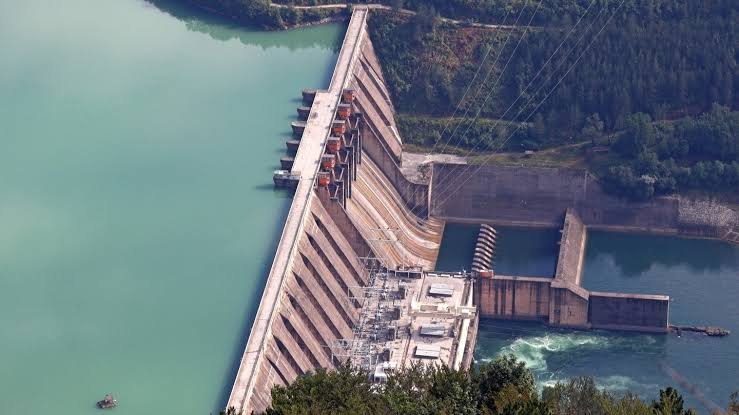
The Arunachal Hydropower MoU marks a major step in the state’s plans to expand renewable energy infrastructure. On August 21, Arunachal Pradesh signed an agreement with a central public sector undertaking (PSU) for a new 500 MW hydropower project in Dibang Valley. The project could strengthen the state’s electricity generation capacity while supporting wider infrastructure development. Moreover, the agreement highlights the growing focus on harnessing Arunachal Pradesh’s substantial hydropower potential.
Imphal Arms Recovery: Joint Forces Seize 7 Automatic Weapons and 50 Rounds of Ammunition
Arunachal Hydropower MoU Advances 500 MW Project
The Arunachal Hydropower MoU provides a framework for developing a new 500 MW hydropower project in Dibang Valley.
The agreement between the state and a central PSU represents an important step before the project moves into further stages of planning and implementation. Furthermore, cooperation between state authorities and central public-sector institutions can help bring technical expertise and financial resources into large infrastructure projects.
Dibang Valley has significant hydropower potential because of its mountainous terrain and river systems. Therefore, the proposed project could contribute to the state’s long-term energy strategy.
The development also forms part of the broader effort to use Arunachal Pradesh’s natural resources for economic development while strengthening the state’s infrastructure base.
Hydropower can provide electricity over long periods once projects become operational. Consequently, the new project could contribute to a more stable energy supply while adding another major generation asset to Arunachal Pradesh.
Dibang Valley Could Gain From New Infrastructure
The Arunachal Hydropower MoU could have an impact beyond electricity generation.
Large hydropower projects require roads, bridges, transmission infrastructure, construction facilities, and other supporting systems. As a result, project development can improve connectivity and infrastructure in areas that previously had limited access.
Dibang Valley’s challenging terrain makes transportation and construction particularly demanding. However, infrastructure created for a major project can also improve access for nearby communities when authorities plan and manage it effectively.
The project could generate employment during construction and create additional opportunities through supporting businesses. Moreover, local suppliers, transport operators, contractors, and service providers could participate in the wider economic activity generated by the development.
At the same time, authorities will need to ensure that local communities receive appropriate benefits and that project-related development follows environmental and social safeguards.
Hydropower Can Strengthen Arunachal’s Energy Economy
Arunachal Pradesh possesses one of India’s largest hydropower potentials. Therefore, hydropower projects have remained an important part of the state’s development strategy.
The proposed 500 MW project could add substantial generation capacity once it becomes operational.
Reliable electricity can support households, businesses, industries, public institutions, and infrastructure projects. Furthermore, additional generation capacity can strengthen the wider electricity network when authorities complete the necessary transmission infrastructure.
The Arunachal Hydropower MoU could also contribute to the state’s economic ambitions by supporting energy-intensive development over the long term.
However, hydropower projects require significant investment and lengthy development periods. Authorities must complete detailed studies, obtain necessary approvals, construct supporting infrastructure, and address technical and environmental requirements before generation begins.
Therefore, the August 21 agreement represents an important beginning rather than the completion of the project.
Environmental and Community Considerations
Hydropower development can provide clean electricity, but large projects can also affect river systems, forests, wildlife, and local communities.
Consequently, environmental assessment and responsible planning will remain essential as the proposed project moves forward.
Dibang Valley contains ecologically sensitive landscapes and communities that depend on the surrounding environment. Therefore, project authorities will need to carefully evaluate potential impacts before construction advances.
Community consultation can also help address concerns and identify practical solutions.
Moreover, authorities can strengthen the project’s long-term acceptance by maintaining transparency about land requirements, environmental safeguards, employment opportunities, and rehabilitation measures where applicable.
The Arunachal Hydropower MoU therefore creates an opportunity to combine energy development with responsible planning.
Employment Opportunities Could Increase
Large infrastructure projects can create employment during different stages of development.
Construction activities may require engineers, technicians, skilled workers, drivers, equipment operators, security personnel, and other workers. Additionally, local businesses can benefit from demand for accommodation, transportation, food, supplies, and services.
Once the project becomes operational, it will also require a workforce for maintenance and management.
The development could therefore provide both direct and indirect economic opportunities for people in and around the project area.
However, local participation will depend on the availability of appropriate skills. Consequently, training programmes could help residents prepare for employment opportunities associated with construction and project operations.
Strengthening Transmission Infrastructure
Generating electricity represents only one part of a successful hydropower project.
The electricity produced must reach consumers through an appropriate transmission network. Therefore, the proposed project will require effective coordination between generation and transmission planning.
Additional transmission infrastructure could also strengthen connections between remote areas and the wider power network.
Furthermore, improved transmission capacity can help integrate additional renewable electricity into the regional grid.
The success of the project will consequently depend on several interconnected components rather than the power plant alone.
Potential Contribution to Northeast India’s Power Sector
The Arunachal Hydropower MoU also has significance for the wider Northeast.
The region has considerable renewable energy resources, particularly hydropower. Developing these resources can increase electricity availability while supporting regional economic growth.
Additional power generation from Arunachal Pradesh could potentially contribute to the broader electricity network when transmission capacity and market arrangements support such integration.
Moreover, stronger regional power infrastructure can improve connectivity between electricity-producing areas and major demand centres.
This could become increasingly important as Northeast India expands its industries, urban centres, transportation systems, and digital infrastructure.
Central-State Cooperation Remains Important
The agreement also demonstrates the importance of cooperation between Arunachal Pradesh and central institutions.
Large infrastructure projects often require coordination across multiple agencies. Technical planning, financing, environmental approvals, construction, transmission, and operations can involve different authorities.
Therefore, effective cooperation can help reduce delays and improve project implementation.
The involvement of a central PSU could provide additional technical and institutional capabilities. At the same time, state-level coordination will remain essential because the project operates within Arunachal Pradesh and affects local development priorities.
Long-Term Development Potential
The Arunachal Hydropower MoU could become an important component of Arunachal Pradesh’s long-term infrastructure plans.
A 500 MW project represents substantial planned generation capacity. Moreover, the associated infrastructure and economic activity could contribute to development in Dibang Valley and surrounding areas.
However, the project’s long-term success will depend on timely implementation, responsible environmental management, financial viability, and effective engagement with affected communities.
Authorities will therefore need to maintain momentum while ensuring that development follows established regulatory and environmental standards.
Looking Ahead
The August 21 agreement provides a foundation for the next stages of the proposed hydropower project.
Further planning, surveys, approvals, financing arrangements, infrastructure development, and construction will determine how quickly the project progresses.
If implemented effectively, the Arunachal Hydropower MoU could support electricity generation, infrastructure development, employment, and economic activity in Dibang Valley.
At the same time, careful environmental and community management will remain essential. A balanced approach can help Arunachal Pradesh pursue its hydropower potential while protecting its unique landscapes and supporting local communities.
Conclusion
The Arunachal Hydropower MoU marks a significant development in Arunachal Pradesh’s energy infrastructure plans after the state signed an agreement with a central PSU on August 21 for a new 500 MW hydropower project in Dibang Valley.
Moreover, the project could strengthen electricity generation, improve supporting infrastructure, create employment, and contribute to the wider Northeast power network. However, responsible environmental planning and meaningful community engagement will remain crucial as the project advances.
FAQs
1. What is the Arunachal Hydropower MoU?
The Arunachal Hydropower MoU is an agreement signed by Arunachal Pradesh with a central PSU for developing a new 500 MW hydropower project in Dibang Valley.
2. When was the agreement signed?
The agreement was signed on August 21.
3. What is the proposed capacity of the project?
The proposed hydropower project will have a capacity of 500 MW.
4. Where will the hydropower project be located?
The project is planned for Dibang Valley in Arunachal Pradesh.
5. How could the Arunachal Hydropower MoU benefit the state?
The project could increase electricity generation, support infrastructure development, create employment opportunities, and contribute to Arunachal Pradesh’s long-term economic growth.