


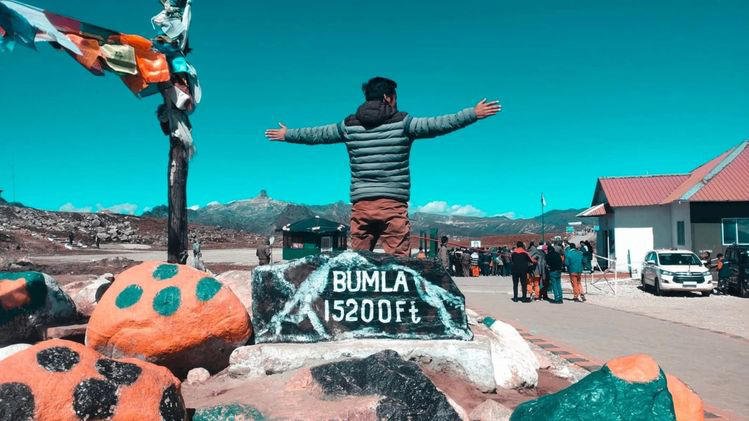
Arunachal Pradesh has implemented an entry fee for tourists visiting Bumla Pass, following the successful tourism model of Meghalaya. The state government aims to regulate tourist numbers, promote sustainable tourism, and generate funds for local development.
Bumla Pass, located near the India-China border, attracts adventure enthusiasts and travelers seeking Himalayan views. By introducing a structured entry fee, Arunachal seeks to balance tourism growth with environmental conservation while providing direct economic benefits to local communities.
Read More: Assam Rifles Seizes Arms Cache in Mizoram
Learning from Meghalaya’s Tourism Model
The Arunachal government studied Meghalaya’s approach to managing popular tourist sites. In Meghalaya, entry fees and eco-tourism initiatives successfully control visitor flow, reduce environmental impact, and provide resources for local infrastructure.
Officials said replicating this model at Bumla Pass will help maintain the area’s natural beauty, prevent overcrowding, and improve the visitor experience. Additionally, local communities will have opportunities to participate in tourism activities, ensuring that benefits reach residents directly.
Structure of the Bumla Pass Tourist Fee
Tourists visiting Bumla Pass must pay a nominal entry fee, which will fund site maintenance, infrastructure development, and community projects. Funds will support amenities such as rest areas, signage, toilets, and waste management systems.
Tour operators and local guides will also benefit. Improved facilities and organized tourism are likely to attract more visitors while ensuring their safety. Authorities emphasized that the fee is affordable and designed to balance accessibility with sustainability.
Boosting Local Economy and Employment
The Bumla Pass tourist fee will strengthen the local economy. Revenue from the fee will support community projects, infrastructure upgrades, and cultural preservation initiatives.
Moreover, the fee system encourages local entrepreneurship. Residents can offer guiding services, operate homestays, sell handicrafts, and provide other tourism-related services. Authorities believe this approach ensures equitable economic benefits and creates employment opportunities.
Promoting Sustainable Tourism
Tourist regulation is essential to protect the fragile Himalayan ecosystem around Bumla Pass. Uncontrolled visitor numbers can lead to littering, environmental degradation, and disturbance of local habitats.
Authorities have paired the entry fee with responsible tourism guidelines. Visitors must follow designated trails, respect local customs, and minimize waste. By raising awareness and fostering accountability, the government aims to maintain the natural and cultural integrity of the region.
Strategic Significance and Security
Bumla Pass holds strategic importance due to its proximity to the India-China border. Controlled access through the entry fee system allows authorities to monitor visitors more effectively.
Registration and fee collection enable officials to track tourist flow, provide guidelines, and enforce security protocols. Officials highlighted that safety remains a top priority alongside promoting tourism.
Community Involvement and Awareness
The Arunachal government has engaged local communities to implement the Bumla Pass tourist fee. Awareness programs explain the benefits of regulated tourism, including income generation, infrastructure development, and environmental conservation.
Community involvement ensures residents are active participants in tourism. Guiding services, hospitality, and cultural showcases provide additional revenue streams, creating a self-sustaining tourism ecosystem.
Learning from Other States
Meghalaya’s experience demonstrates that entry fees at popular tourist sites contribute to conservation and economic growth. Arunachal Pradesh aims to replicate this success while adapting it to the unique geography and strategic importance of Bumla Pass.
Officials emphasized that lessons from other states are applied carefully. Unlike commercialized sites, Bumla Pass requires sensitive handling due to its remote location, fragile ecosystem, and border significance.
Expected Outcomes and Long-Term Vision
The Bumla Pass tourist fee will yield multiple benefits. Authorities expect improved infrastructure, enhanced visitor experience, increased local income, and better environmental management.
Revenue will also fund training programs for guides and hospitality providers. By regulating tourism, the state hopes to attract eco-conscious travelers who value sustainability. This approach ensures Bumla Pass remains an attractive destination for future generations.
Addressing Challenges
Officials acknowledged potential challenges, including enforcement, tourist resistance, and logistical issues in remote areas. To address these, the government will implement online fee collection, on-site registration, and clear communication about the fee’s purpose and benefits.
Training local personnel to manage facilities efficiently and guide visitors will further improve operations. Authorities stressed that transparency and fairness in fee collection are essential for public acceptance.
Arunachal Pradesh’s introduction of a Bumla Pass tourist fee, inspired by Meghalaya, represents a major step toward sustainable tourism and local development. By combining visitor regulation, environmental protection, and community participation, the state creates a responsible tourism ecosystem.
The fee encourages local involvement, supports livelihoods, and promotes awareness of environmental and cultural preservation. Authorities expect controlled tourism to attract eco-conscious travelers while ensuring safety and strategic security.
With proper planning, transparency, and community engagement, the Bumla Pass tourist fee will enhance tourism management, improve facilities, and provide long-term benefits to residents and visitors in Arunachal Pradesh.
Read More: Sikkim DACS Signs MoU With ITBP for Local Farm Produce