


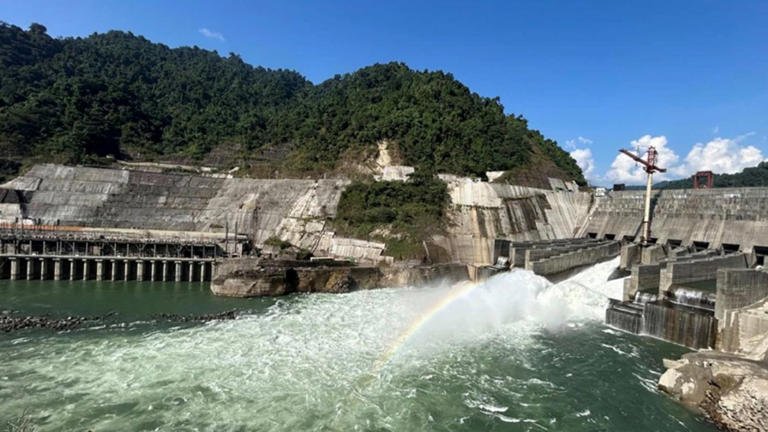
Arunachal Pradesh has decided to sit on the plantation proposal for Subansiri hydel project, signalling a cautious approach toward environmental planning linked to large infrastructure projects. Officials said the state government wants a detailed review of ecological implications, land availability, and long-term sustainability before moving ahead with compensatory plantation plans associated with the hydropower project.
The Subansiri hydel project, located along the Subansiri river, has remained under close scrutiny for years due to environmental, seismic, and social concerns. The plantation proposal for Subansiri hydel project forms a key part of environmental compliance, as it aims to compensate for forest land diverted for construction. However, Arunachal Pradesh has chosen not to rush the process, citing the need for careful assessment.
State officials said afforestation measures must match local ecological conditions rather than follow a uniform template. The government believes that a poorly planned plantation drive could fail to restore ecological balance and may even disrupt existing forest systems.
Read More: AI Maps Landslide Hotspots Across Meghalaya
Plantation proposal for Subansiri hydel project under review
The plantation proposal for Subansiri hydel project focuses on compensatory afforestation for forest land affected by construction activities. Such proposals usually involve planting trees on identified land parcels to offset environmental loss. However, Arunachal Pradesh officials said several practical challenges remain unresolved.
One major concern involves the availability of suitable land for plantation. Much of Arunachal Pradesh consists of forested and hilly terrain, leaving limited non-forest land for compensatory afforestation. Officials said allocating forest land to compensate for forest diversion defeats the purpose of ecological restoration.
Another concern relates to the survival rate of plantation drives. Past experiences show that large-scale plantations often fail due to poor site selection, lack of maintenance, and mismatch between planted species and local ecology. The state government wants assurance that any plantation linked to the Subansiri hydel project will deliver long-term environmental benefits.
Environmental sensitivity shapes Arunachal’s stance
Arunachal Pradesh is known for its rich biodiversity and fragile ecosystem. Officials said this reality shapes the government’s cautious stance on the plantation proposal for Subansiri hydel project. The Subansiri basin supports diverse flora and fauna, and any ecological intervention requires scientific planning.
Environmental experts have advised that monoculture plantations cannot replace natural forests. They stressed the importance of native species, mixed plantations, and habitat restoration rather than symbolic tree-planting exercises. The state government has taken note of these concerns while reviewing the proposal.
Officials also pointed out that hydel projects in seismically active zones demand higher environmental safeguards. Arunachal Pradesh wants plantation measures to align with disaster resilience and climate adaptation strategies.
Coordination with project authorities and agencies
The Subansiri hydel project is being implemented by NHPC, which has submitted plantation plans as part of statutory requirements. State officials said discussions with NHPC and environmental authorities remain ongoing.
Arunachal Pradesh has sought detailed documentation on plantation sites, species selection, maintenance plans, and funding mechanisms. The government wants clarity on how plantation success will be monitored over the years rather than limited to initial compliance reports.
Officials indicated that coordination between the state forest department, project authorities, and independent experts will play a key role in finalising the plantation proposal for Subansiri hydel project. The government aims to ensure transparency and accountability throughout the process.
Balancing development and environmental responsibility
The Subansiri hydel project forms part of India’s broader push for renewable energy and hydropower development. Arunachal Pradesh supports clean energy goals but insists on balancing development with environmental responsibility. Sitting on the plantation proposal reflects this balanced approach.
State leaders have repeatedly stated that development projects must respect local ecology and community interests. Hydropower projects, while offering economic and energy benefits, also alter river systems, forest cover, and livelihoods. Plantation measures, therefore, must act as genuine mitigation tools rather than procedural formalities.
Officials said the government remains open to revising the proposal if it incorporates scientific inputs and community participation. Local involvement can improve plantation outcomes by ensuring protection and long-term care of saplings.
Concerns of local communities and stakeholders
Local communities living near the Subansiri basin have closely followed developments related to the hydel project. Many residents depend on forests for livelihood, culture, and ecological services. Officials said community concerns also influence the government’s decision to pause the plantation proposal for Subansiri hydel project.
Community representatives have raised questions about land use, benefit sharing, and environmental impact. They seek assurance that plantation activities will not restrict access to traditional forest areas or disrupt existing land rights.
The state government has indicated that stakeholder consultations will continue before taking a final decision. By engaging communities early, officials hope to reduce conflict and build trust around environmental management measures.
Way forward for the plantation proposal
Arunachal Pradesh plans to conduct further assessments before approving the plantation proposal for Subansiri hydel project. Experts may study alternative approaches such as assisted natural regeneration, catchment area treatment, and biodiversity conservation initiatives.
Officials said these methods often deliver better ecological outcomes than conventional plantation drives. By focusing on restoring degraded forest patches and river catchments, the state can address environmental damage more effectively.
The government also plans to align plantation strategies with climate action plans and forest management policies. This integrated approach can strengthen ecological resilience while meeting regulatory requirements.
Long-term implications for hydel projects in Arunachal
The decision to sit on the plantation proposal for Subansiri hydel project could set a precedent for future hydropower projects in Arunachal Pradesh. It signals that environmental safeguards will receive serious consideration rather than automatic approval.
Experts believe this approach can improve project sustainability and public confidence. When plantation and mitigation measures reflect local ecology and community needs, projects face fewer delays and conflicts in the long run.
As discussions continue, Arunachal Pradesh aims to demonstrate that development and environmental protection can progress together. The outcome of the plantation proposal for Subansiri hydel project will likely influence how the state handles similar proposals in the future, shaping a more responsible path for infrastructure development in ecologically sensitive regions.
Read More: BJP–TMP Tie-up Limited to Assembly Polls, No Alliance for TTAADC: Tripura CM