


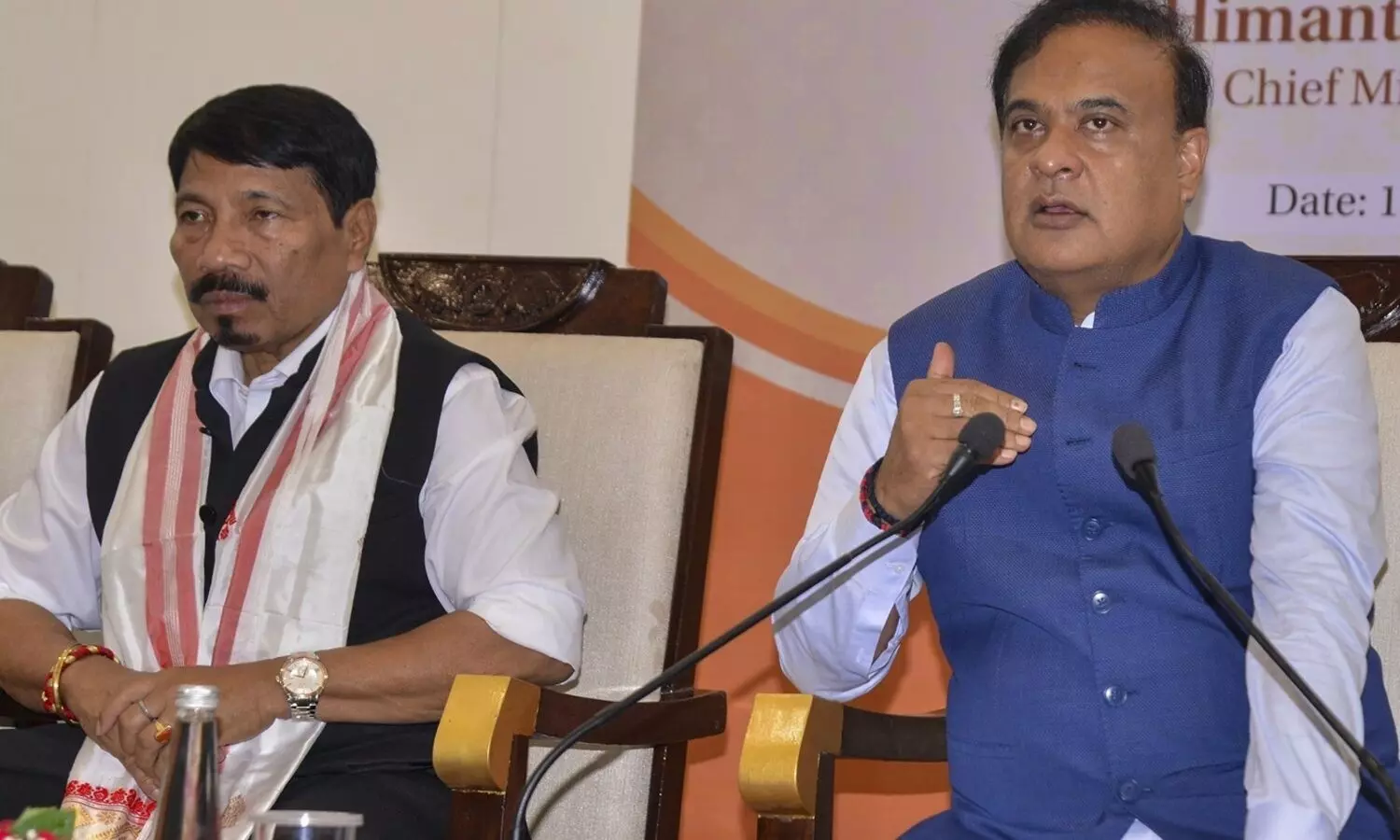
Assam Government Enforces Six-Month austerity measures beginning May 14 as part of a broader fiscal responsibility initiative aimed at reducing administrative expenditure and improving financial discipline across departments. According to officials, the state administration has imposed multiple restrictions, including a ban on foreign travel, a freeze on new government vehicle purchases, and mandatory reductions in departmental fuel spending.
Meanwhile, authorities stated that the austerity directives will remain in force for six months and apply across various government departments and administrative units. Consequently, departments have started reviewing operational budgets and expenditure plans to comply with the newly announced financial restrictions.
Rhino Horn Seizure Reveals Assam Smuggling Network
Assam Labourer Held In Agartala Drug Bust
State Introduces Comprehensive Fiscal Controls
According to government officials, the austerity measures were introduced following directives focused on strengthening fiscal responsibility and controlling non-essential expenditure. Additionally, departments have reportedly received instructions to immediately begin implementing cost-saving mechanisms under the new framework.
The government stated that reducing avoidable administrative expenses remains necessary to improve budget management and ensure more efficient allocation of public resources. Therefore, authorities have prioritized restrictions affecting travel, fuel consumption, and procurement-related spending.
Furthermore, officials clarified that the measures are intended to remain temporary during the six-month implementation period. However, analysts noted that the long-term continuation of such policies could depend on future financial assessments and administrative outcomes.
Meanwhile, departments across Assam have begun evaluating existing operational commitments to align spending patterns with the updated austerity guidelines.
Foreign Travel Completely Restricted
The Assam Government Enforces Six-Month restrictions that include a complete ban on foreign travel for government officials during the implementation period. According to officials, the measure aims to significantly reduce expenditure linked to international visits, official delegations, and overseas administrative engagements.
Additionally, departments have reportedly been instructed to avoid proposing foreign travel requests except under highly exceptional circumstances requiring special approval. Consequently, many official activities involving international participation may shift toward virtual coordination methods.
Observers stated that travel-related expenditure often forms a substantial component of administrative spending in government operations. Therefore, limiting overseas visits could contribute directly to immediate financial savings.
At the same time, some analysts noted that virtual communication systems increasingly provide alternatives for participation in international meetings and conferences. As a result, authorities may continue emphasizing digital engagement methods during the austerity period.
Government Vehicle Purchases Frozen
The Assam Government Enforces Six-Month procurement restrictions by freezing all new government vehicle purchases under the austerity policy. According to administrative sources, departments have been instructed to avoid acquiring additional official vehicles unless specifically exempted for emergency or essential operational purposes.
Meanwhile, officials stated that the measure is intended to reduce capital expenditure and encourage more efficient use of existing government transportation resources. Consequently, departments may need to reorganize vehicle allocation systems during the restriction period.
Additionally, authorities emphasized that maintenance and operational efficiency of existing government vehicles should be prioritized to avoid unnecessary replacement costs. Experts noted that vehicle procurement often represents a major recurring expenditure category within public administration budgets.
Furthermore, financial analysts suggested that limiting new purchases could temporarily ease fiscal pressure while encouraging stricter resource utilization practices across departments.
Fuel Expenditure Faces Mandatory Reduction
According to officials, one of the central provisions of the austerity policy requires departments to reduce fuel expenditure by at least 20% during the six-month period. Consequently, government offices have started reviewing transportation schedules, official travel requirements, and vehicle usage patterns.
Authorities stated that departments would be expected to monitor fuel consumption more closely and introduce operational adjustments wherever possible. Additionally, administrative units may encourage shared transportation arrangements and reduced non-essential travel to meet reduction targets.
Meanwhile, several departments reportedly began internal discussions regarding implementation strategies aimed at balancing operational efficiency with expenditure controls. However, some employees expressed concerns about potential logistical challenges in rural and remote administrative areas.
Experts observed that fuel-related spending has become an increasing concern for many government institutions due to rising operational costs. Therefore, expenditure reduction targets are often viewed as a direct method of achieving short-term budget savings.
Departments Asked To Ensure Compliance
The Assam Government Enforces Six-Month financial restrictions with instructions requiring all departments to maintain strict compliance throughout the implementation period. According to officials, administrative heads may be required to submit expenditure reports and periodic reviews linked to austerity targets.
Furthermore, departments have reportedly been directed to avoid unnecessary meetings, ceremonial spending, and non-essential procurement activities during the six-month period. Consequently, several government offices are reviewing budget allocations for events, travel, and logistical operations.
Observers noted that effective implementation may depend heavily on monitoring mechanisms and departmental accountability. Additionally, policy experts argued that transparency in expenditure reporting could help improve public confidence regarding fiscal discipline measures.
Meanwhile, authorities emphasized that essential public services and welfare-related activities would continue functioning normally despite the cost-control directives.
Economic And Administrative Impact Under Discussion
According to financial observers, austerity measures are commonly introduced during periods of expenditure pressure or budget management concerns. Moreover, governments often adopt temporary restrictions to stabilize finances and optimize resource utilization.
Several analysts stated that expenditure controls involving travel, procurement, and fuel usage could generate measurable short-term savings if implemented consistently across departments. However, experts also cautioned that prolonged restrictions may eventually affect operational flexibility in certain administrative sectors.
Additionally, public policy specialists highlighted the importance of balancing fiscal discipline with uninterrupted governance and service delivery. Therefore, authorities may continue assessing the effectiveness of the measures throughout the six-month implementation phase.
At the same time, some observers suggested that the Assam government’s latest directives reflect broader administrative efforts aimed at strengthening financial management practices.
Public Services Expected To Continue Normally
Officials assured that the austerity measures would not disrupt essential government services, emergency response systems, or welfare-related operations. Furthermore, departments handling healthcare, law enforcement, disaster response, and critical public administration activities are expected to continue operating according to necessity.
Meanwhile, administrative departments have already started informing employees regarding revised expenditure rules and operational restrictions linked to the new fiscal policy.
Conclusion
Assam Government Enforces Six-Month austerity measures beginning May 14 as part of a major fiscal responsibility initiative targeting administrative expenditure reduction and improved financial discipline. Meanwhile, restrictions on foreign travel, vehicle purchases, and fuel spending have already prompted departments to reassess operational budgets and resource management practices.
Furthermore, the sweeping directives highlight the government’s broader focus on expenditure control and administrative efficiency during the implementation period. As the six-month policy progresses, authorities are expected to closely monitor departmental compliance and the overall financial impact of the austerity measures.
FAQs
When do the austerity measures begin in Assam?
The austerity measures officially take effect from May 14.
How long will the restrictions remain in force?
Officials stated that the measures will continue for six months.
What travel restrictions were imposed?
The government has banned all foreign travel for officials during the austerity period.
What changes apply to government vehicles?
All new government vehicle purchases have been frozen under the new policy.
How much fuel expenditure reduction is required?
Departments must reduce fuel expenditures by at least 20%.
Why is the Assam Government Enforces Six-Month policy significant?
The Assam Government Enforces Six-Month austerity plan reflects a broad effort to strengthen fiscal discipline and reduce administrative spending across state departments.