


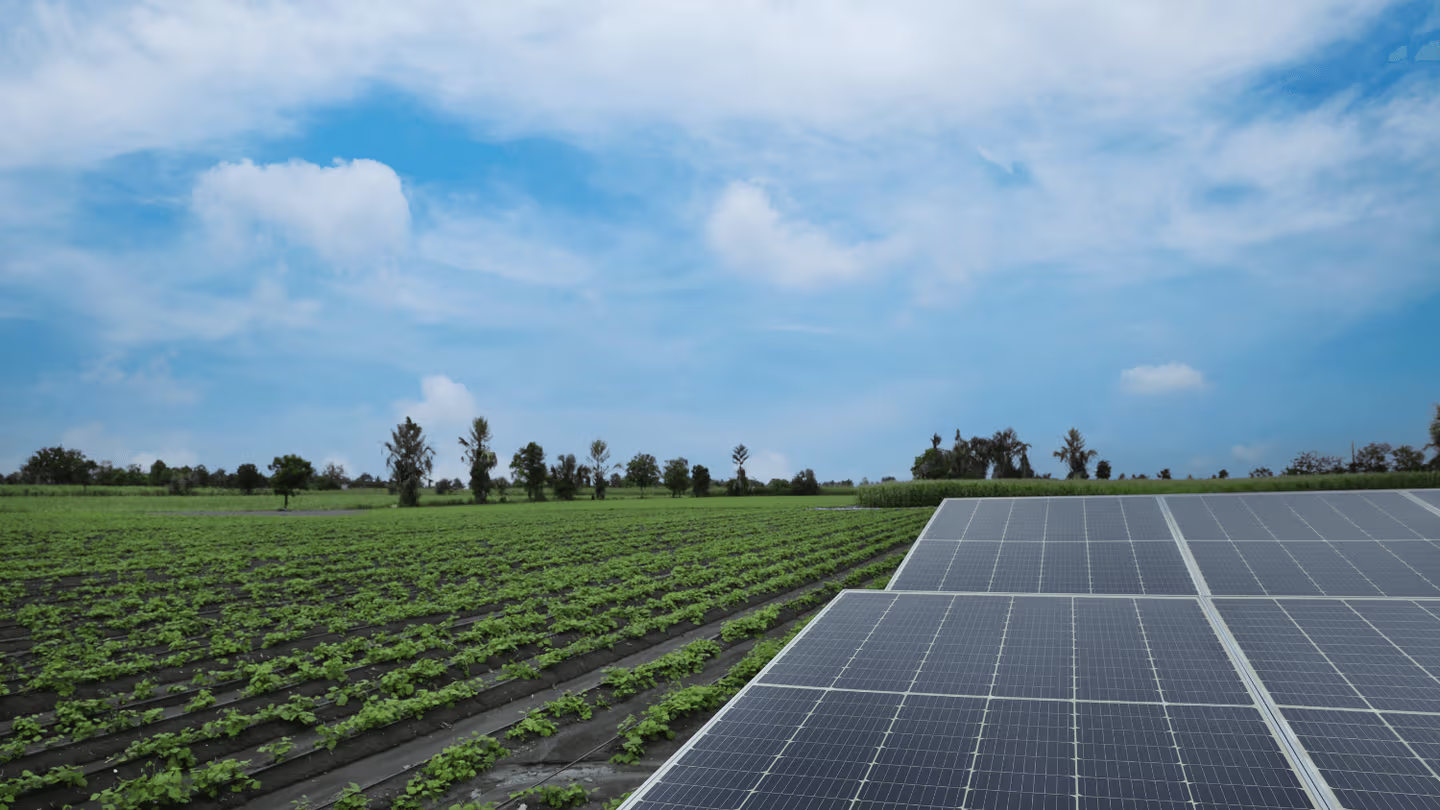
The Assam Cabinet has cleared a major green energy project in Goalpara, approving a 30 MW solar power plant alongside a 25 MW Battery Energy Storage System (BESS).
The project represents an important step in Assam’s efforts to expand renewable energy capacity and strengthen its electricity infrastructure. Moreover, combining solar generation with battery storage can help manage fluctuations in renewable power production and improve the reliability of clean energy.
The Goalpara project could therefore contribute to Assam’s broader transition toward a more sustainable energy system.
Tripura: Tipra Motha Likely to Hold Talks with BJP Over TTAADC Village Committee Polls
Assam Cabinet Approves Goalpara Project
The Cabinet’s approval covers a 30 MW solar power project and a 25 MW Battery Energy Storage System in Goalpara.
The combination brings together renewable electricity generation and energy-storage capacity within the same project. Furthermore, battery storage can help manage electricity generated when solar output changes throughout the day.
The decision strengthens Assam’s focus on expanding clean-energy infrastructure.
30 MW Solar Capacity
The solar component will add 30 MW of renewable-energy generation capacity.
Solar power can reduce dependence on conventional electricity sources while making use of Assam’s renewable-energy potential. Additionally, expanding solar capacity can support the state’s long-term efforts to diversify its energy mix.
The Goalpara project could consequently become an important addition to Assam’s renewable-energy infrastructure.
25 MW Battery Storage System
Alongside the solar plant, the project includes a 25 MW Battery Energy Storage System (BESS).
Battery storage allows electricity generated at one time to be stored for later use. Moreover, storage systems can help balance fluctuations in renewable generation and support electricity supply when solar production falls.
The BESS therefore adds an important flexibility component to the project.
Why Battery Storage Matters
Solar power generation changes according to sunlight availability.
Energy storage can help address this variability by storing surplus electricity and releasing it when required. Furthermore, battery systems can support grid management by helping electricity providers respond to changes in demand and generation.
The combination of solar and storage can therefore make renewable power more useful for the wider electricity system.
Supporting Assam’s Green Energy Transition
The project aligns with Assam’s broader efforts to increase renewable-energy capacity.
Greater use of renewable sources can help diversify electricity generation and support environmental objectives. Additionally, developing large-scale clean-energy projects can encourage investment in associated infrastructure and technical services.
The Goalpara project could consequently contribute to the state’s evolving energy strategy.
Potential Benefits for Goalpara
Large energy projects can generate economic activity around their development and operation.
The project could create opportunities for local services, construction-related activities, and technical employment. Moreover, improved energy infrastructure can support wider economic development when projects integrate effectively with the regional electricity network.
The long-term benefits will depend on successful implementation.
Strengthening Energy Infrastructure
Assam’s growing energy requirements require continued investment in generation and supporting infrastructure.
A combined solar-and-storage project addresses both generation and flexibility. Furthermore, integrating storage into renewable-energy projects can help authorities manage electricity supply more effectively as renewable capacity increases.
The Goalpara initiative therefore has significance beyond its installed capacity.
Renewable Energy and Grid Stability
Renewable energy expansion requires appropriate grid-management systems.
Battery storage can help smooth short-term variations and provide electricity during periods when solar generation declines. Additionally, storage technology can complement other generation sources and improve the flexibility of the electricity system.
The BESS component consequently strengthens the project’s overall design.
Clean Energy for the Future
The shift toward renewable energy forms an important part of India’s broader energy transition.
Solar projects can provide electricity without the direct combustion emissions associated with conventional fossil-fuel generation. Moreover, combining solar generation with storage can help create a more flexible clean-energy system.
Assam’s investment in this model could support its longer-term sustainability objectives.
Implementation Will Be Crucial
Cabinet approval represents an important first step, but successful implementation will determine the project’s eventual impact.
Authorities and project agencies will need to coordinate land, infrastructure, equipment, grid connectivity, construction, and operational requirements. Furthermore, efficient execution will be necessary to ensure that the planned solar and storage capacities become operational as intended.
The project will therefore require sustained administrative and technical coordination.
Expanding Assam’s Renewable Capacity
The Goalpara project adds another component to Assam’s renewable-energy ambitions.
Developing both generation and storage capacity can provide a stronger foundation for future renewable projects. Additionally, experience gained from operating large battery systems could help Assam evaluate and expand similar technologies elsewhere.
The initiative could therefore influence future clean-energy planning in the state.
What Happens Next?
Following the Cabinet’s approval, the project will move toward the necessary implementation and development stages.
Authorities will need to coordinate the construction of the 30 MW solar facility and 25 MW BESS while ensuring appropriate grid integration. Moreover, successful completion could provide Assam with additional renewable generation and energy-storage capacity.
The Goalpara project will now become an important part of the state’s clean-energy development agenda.
Conclusion
The Assam Cabinet’s approval of a 30 MW solar power plant and 25 MW Battery Energy Storage System in Goalpara marks a significant step toward expanding renewable-energy infrastructure in the state.
Moreover, the combination of solar generation and battery storage can provide both clean electricity and greater flexibility for managing renewable power. At the same time, effective implementation, grid integration, and long-term maintenance will determine the project’s overall success.
Overall, the Goalpara green energy project strengthens Assam’s renewable-energy ambitions while highlighting the growing importance of battery storage in the state’s future power infrastructure.
FAQs
1. What green energy project did the Assam Cabinet approve?
The Cabinet approved a project combining a 30 MW solar power plant with a 25 MW Battery Energy Storage System in Goalpara.
2. What does BESS stand for?
BESS stands for Battery Energy Storage System.
3. Why is battery storage included with the solar project?
Battery storage can store electricity and help manage fluctuations in solar generation, improving energy-system flexibility.
4. How much solar capacity will the project add?
The project will add 30 MW of planned solar-generation capacity.
5. Why is the Goalpara project significant?
It combines renewable electricity generation with energy storage, supporting Assam’s broader transition toward cleaner and more flexible energy infrastructure.