


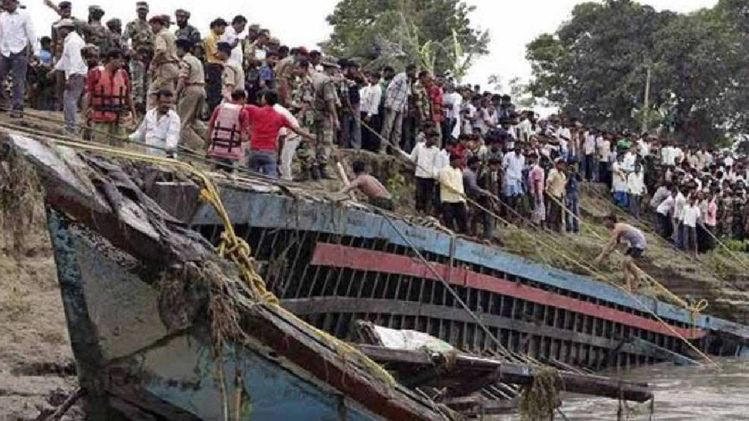
Medortari ferry tragedy continues to haunt families in Assam even after fourteen years. The tragic incident, which claimed several lives, remains a painful memory for survivors and relatives of the victims. Despite the passage of time, demands for justice and a proper memorial have not been fulfilled.
The tragedy occurred near Medortari, where a ferry capsized, leading to significant loss of life. Many families lost their loved ones, while others continue to struggle with the emotional and financial impact. Therefore, the lack of closure has deepened their distress.
Moreover, survivors and families have repeatedly raised concerns about delays in legal proceedings. They argue that justice delayed has effectively become justice denied. As a result, frustration continues to grow among those affected.
Read More: Mamata Banerjee Slams BJP, Says Bengal Will Not Be Run from Delhi
Remembering the tragedy and its impact
The Medortari ferry tragedy remains one of the most devastating incidents in the region. On that day, passengers traveling across the river faced a sudden disaster when the ferry overturned. Rescue operations were launched, but many lives could not be saved.
Families recall the incident with deep sorrow. For them, the tragedy is not just a past event but a continuing reality. Each year, they gather to remember their loved ones and renew their call for justice.
In addition, the incident exposed gaps in safety measures and emergency response systems. Questions were raised about ferry operations, overcrowding, and lack of proper regulations. However, many believe that these issues have not been fully addressed.
Furthermore, survivors continue to face psychological trauma. The absence of adequate support systems has made recovery even more difficult. Therefore, the tragedy’s impact extends far beyond the initial loss of lives.
Demand for memorial remains unfulfilled
One of the key demands of the victims’ families is the construction of a memorial at Medortari. They believe that a memorial would serve as a tribute to those who lost their lives and as a reminder of the need for safety reforms.
Despite repeated appeals, no significant progress has been made. Authorities have made promises over the years, but implementation remains pending. As a result, families feel that their concerns are being ignored.
Moreover, a memorial could provide a place for collective remembrance. It would allow families to honor their loved ones and keep their memories alive. Therefore, the absence of such a structure adds to their sense of neglect.
Community leaders have also supported this demand. They argue that acknowledging the tragedy through a memorial is an important step toward healing. However, concrete action is still awaited.
Legal delays and quest for accountability
The Medortari ferry tragedy has also highlighted issues related to legal delays. Families have been seeking accountability for years, but progress has been slow. Investigations and court proceedings have not delivered the expected outcomes.
According to affected families, those responsible for safety lapses must be held accountable. They believe that without accountability, similar incidents may occur in the future. Therefore, justice remains a crucial demand.
Additionally, delays in compensation and support have further aggravated the situation. Some families claim that they have not received adequate assistance. As a result, financial hardships continue to affect them.
Legal experts point out that prolonged cases can weaken public trust in the system. When justice is delayed, it undermines confidence in governance and law enforcement. Hence, timely resolution becomes essential.
Need for improved ferry safety measures
The Medortari ferry tragedy also underscores the need for stronger safety measures in river transport. Assam relies heavily on ferry services, making safety a top priority.
Experts suggest that stricter regulations, regular inspections, and better training for operators can reduce risks. In addition, passenger limits must be enforced to prevent overcrowding.
The use of modern technology can also improve safety. For example, life jackets, communication systems, and emergency response plans can save lives during accidents. Therefore, adopting such measures is crucial.
Authorities have taken some steps since the tragedy, but concerns remain. Many believe that more needs to be done to ensure passenger safety. As a result, the tragedy continues to serve as a warning.
Voices of families grow stronger
Over the years, families of the victims have continued their struggle for justice. They have organized protests, submitted petitions, and approached authorities multiple times. Despite challenges, their determination remains strong.
Community organizations have also joined their efforts. They are raising awareness about the issue and urging the government to take action. Consequently, the matter has gained attention at various levels.
Moreover, social media has provided a platform for these voices. Families are sharing their stories and demanding accountability. This has helped keep the issue alive in public discourse.
However, the lack of concrete outcomes remains a major concern. Families continue to wait for meaningful action that can bring closure.
Conclusion
The Medortari ferry tragedy stands as a reminder of the human cost of negligence and delay. Fourteen years later, families in Assam are still waiting for justice and recognition.
Their demands for a memorial and accountability highlight the need for responsive governance. By addressing these issues, authorities can restore trust and provide some measure of closure.
In conclusion, the Medortari ferry tragedy must not be forgotten. It should serve as a lesson for improving safety and ensuring justice. Only then can the victims’ families find the peace they have been seeking for years.
Read More: Tripura CM Saha Backs Women’s Reservation Bill, Targets Opposition