


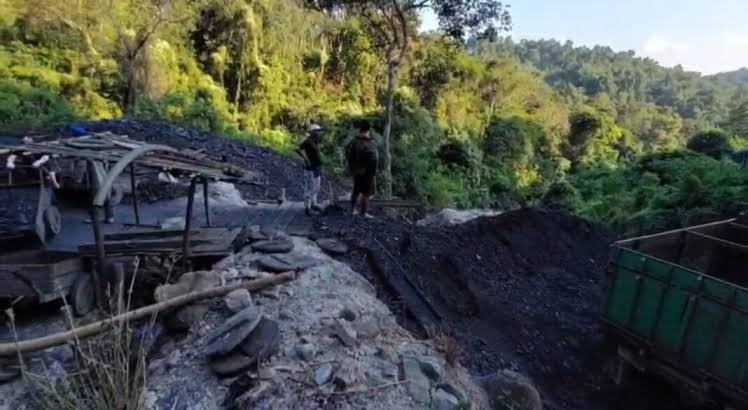
The alleged illegal coal transit near Athiabari has renewed concerns about enforcement gaps along the Assam-Meghalaya border. Reports published on October 27, 2026, claimed that dozens of coal-laden trucks were waiting near the interstate boundary before entering Assam through the Hahim route. The allegations have raised questions about transport documentation, possible tax evasion, vehicle overloading and the effectiveness of existing checkpoints. Authorities in both states face growing calls to investigate the reported movement, verify the origin of the coal and determine whether transporters have complied with applicable laws. However, the claims about unauthorised transportation and alleged payments to facilitate passage require independent verification.
Tripura Education Department Distributes Scooties to Meritorious Female Students
Athiabari Coal Transit Allegations Raise Border Security Concerns
The reported coal movement near Athiabari has brought renewed attention to a sensitive transport corridor connecting Meghalaya’s coal-producing areas with commercial destinations in Assam. Local reports published on October 27 alleged that approximately 30 to 40 coal-laden trucks were waiting near Athiabari in Meghalaya for passage into Assam through Hahim.
According to the reports, the trucks were allegedly preparing to move during the night. Sources also claimed that between 200 and 300 trucks had gathered around Shallang in Meghalaya’s West Khasi Hills district, awaiting transportation. Authorities have not independently confirmed these estimates.
The allegations have prompted calls for a coordinated investigation by the police, transport departments, mining authorities and tax enforcement agencies in both states. Investigators would need to establish where the coal originated, whether the consignments carried valid documents and whether the vehicles complied with transportation regulations.
A truck driver quoted in local reporting claimed that a consignment had travelled from Shallang and was heading towards Haldhipara in Assam’s Boko area. The driver also alleged that some trucks could cross the border without an e-way bill or transport challan. These claims remain unverified and should not be treated as established findings.
The reported route matters because coal transportation involves several regulatory requirements. Authorities must verify the origin of the mineral, the validity of transport permits, applicable royalty payments and compliance with tax rules.
Furthermore, a proper investigation could establish whether the reported vehicles carried legally sourced coal or material obtained through unauthorised mining. Officials should examine individual consignments rather than assume that every truck using the route has violated the law.
Alleged Checkpoint Bypasses Put Transport Enforcement Under Scrutiny
The Athiabari reports have revived longstanding concerns about gaps in the monitoring of coal transportation across Meghalaya. The area has previously featured in recommendations concerning stronger checkpoints and better coordination between state agencies.
A committee monitoring coal-related matters before the Meghalaya High Court has highlighted infrastructure weaknesses at several locations. Its observations have included Athiabari, where earlier field visits reportedly identified active coal dumps without an adequate check-gate.
The committee recommended permanent, integrated checkpoints to improve monitoring and prevent vehicles from bypassing inspections. It also called for better coordination between the Directorate of Mineral Resources and the Transport Department.
Such infrastructure could help officials check transport documents, record vehicle movements and identify discrepancies in consignments. However, installing checkpoints alone would not guarantee compliance. Authorities would also need reliable staffing, regular inspections, accurate records and action against verified violations.
The required paperwork can include tax invoices, e-way bills where applicable, certificates of origin, weighment slips and valid transit permits. Officials must assess each document against the relevant consignment and applicable rules.
Moreover, coordination between Assam and Meghalaya remains important because coal may cross the state boundary before reaching its final destination. A vehicle that leaves one jurisdiction can enter another, making information-sharing essential for effective enforcement.
Authorities should also examine whether vehicles use alternative roads to avoid designated inspection points. If investigators confirm such practices, they can identify vulnerable stretches and consider additional monitoring measures.
Nevertheless, the allegations concerning the latest reported convoy do not establish that officials deliberately allowed illegal transportation. Any claims of negligence, collusion or misconduct require evidence and a fair investigation.
Suspected Tax Evasion and Overloading Raise Wider Concerns
The reported coal movement has raised concerns about possible losses of government revenue. If coal moves without the required documentation or statutory payments, authorities may struggle to verify its origin and collect applicable dues.
A driver quoted in local reporting alleged that transporters paid around ₹1.5 lakh per truck to facilitate passage across the border. Reports also referred to an alleged network operating between Meghalaya and Assam. These claims have not been independently corroborated, and the allegations against any identifiable person should not be treated as proven.
Investigators could examine transport records, invoices, permits and relevant financial information to determine whether any unlawful payments or organised arrangements exist. They must establish the facts through lawful procedures before assigning responsibility.
The reports also raised questions about vehicle overloading. A driver reportedly claimed that some trucks carried between 40 and 45 tonnes of coal. Authorities would need to compare those figures with each vehicle’s permitted carrying capacity and verified weighment records before concluding that any truck exceeded legal limits.
Overloaded vehicles can damage roads, increase maintenance costs and create risks for other road users. Heavy loads can also place additional pressure on bridges and other transport infrastructure, particularly along routes that were not designed for sustained heavy commercial traffic.
Environmental concerns extend beyond transportation. Unauthorised mining can damage land, increase erosion and affect nearby water sources. However, investigators must establish the source of the coal before linking a particular consignment to illegal mining or specific environmental damage.
Previous enforcement actions and court-monitored reviews have highlighted the need for stronger oversight of Meghalaya’s coal sector. Still, findings from other districts or earlier investigations do not automatically prove wrongdoing in Athiabari.
Therefore, the immediate priority should be to verify the reported vehicles, establish their destinations and origins, inspect their documentation and identify any breaches of applicable law. Such steps would help distinguish genuine violations from unverified allegations.
Joint Investigation Needed Across Assam and Meghalaya
The latest allegations have increased pressure on authorities in both states to coordinate their response. Because the reported route connects coal-producing areas in Meghalaya with destinations in Assam, an investigation limited to one side of the border may leave important questions unanswered.
Meghalaya authorities could verify mining permissions, transit records and the origin of consignments. Assam officials could examine vehicles entering the state, check applicable tax documents and establish where the coal is delivered. Police in both states could exchange relevant information when evidence points to a cross-border network.
A coordinated investigation should also examine the reported use of the Athiabari-Hahim route and determine whether vehicles bypass official inspection points. Where necessary, officials could conduct joint inspections and compare records from different checkpoints.
In addition, authorities should make clear whether they have confirmed the reported number of trucks, identified documentation violations or registered any cases. Public statements based on verified findings would help residents understand the progress of the investigation without spreading unsupported claims.
Long-term measures may include integrated check-gates, digital records, regular weighment checks and better coordination among mining, transport, police and tax departments. These measures would help authorities track consignments more consistently and identify discrepancies before coal reaches its destination.
At the same time, enforcement must distinguish between lawful coal transportation and proven violations. Businesses and drivers should not face accusations solely because they use a particular road or operate in a coal-producing region.
Ultimately, effective action will depend on credible evidence, consistent inspections and accountability across both states. Authorities must establish whether the latest reports reveal illegal transportation, administrative gaps or other violations before deciding what legal action to take.
Conclusion
The alleged illegal coal transit near Athiabari has renewed scrutiny of transportation routes linking Meghalaya with Assam. Reports published on October 27, 2026, claimed that 30 to 40 coal-laden trucks were waiting near the border, while additional vehicles were reportedly gathered around Shallang. The allegations have raised questions about documentation, possible tax evasion and enforcement along the Athiabari-Hahim route.
Earlier observations by a committee monitoring coal-related matters before the Meghalaya High Court have also highlighted gaps in checkpoint infrastructure. Its recommendations for integrated check-gates and improved coordination underline the importance of stronger monitoring. However, those earlier findings do not establish that every vehicle involved in the latest reports carried illegal coal.
A joint investigation by Assam and Meghalaya authorities could establish the origin of the consignments, verify permits and tax records, check vehicle weights and determine whether anyone violated the law. Officials should also examine claims of checkpoint bypasses and alleged unlawful payments without treating unverified allegations as proven facts. Transparent findings and consistent enforcement would help protect public revenue, road safety and the environment.
FAQs
1. Why are authorities being urged to investigate coal transportation near Athiabari?
Reports published on October 27, 2026, alleged that coal-laden trucks were waiting near Athiabari to enter Assam through Hahim. The reports raised concerns about documentation, possible tax evasion and checkpoint bypasses.
2. How many coal-laden trucks were reportedly waiting near Athiabari?
Local reports cited an estimate of approximately 30 to 40 trucks near Athiabari. Other sources claimed that 200 to 300 trucks had gathered around Shallang. Authorities have not independently confirmed these figures.
3. Which route is involved in the allegations?
The reports identified the Athiabari-Hahim route, which connects parts of Meghalaya with Assam. A reported consignment was allegedly travelling from Shallang towards Haldhipara in the Boko area.
4. What documents may authorities check during an investigation?
Officials may examine applicable tax invoices, e-way bills, certificates of origin, weighment slips and transit permits. They must verify the requirements for each consignment under the relevant rules.
5. What action could Assam and Meghalaya authorities take?
Authorities could conduct joint inspections, verify transport records, investigate alleged checkpoint bypasses and take legal action if they establish violations. Any allegations of corruption or organised illegal transportation require independent verification.