


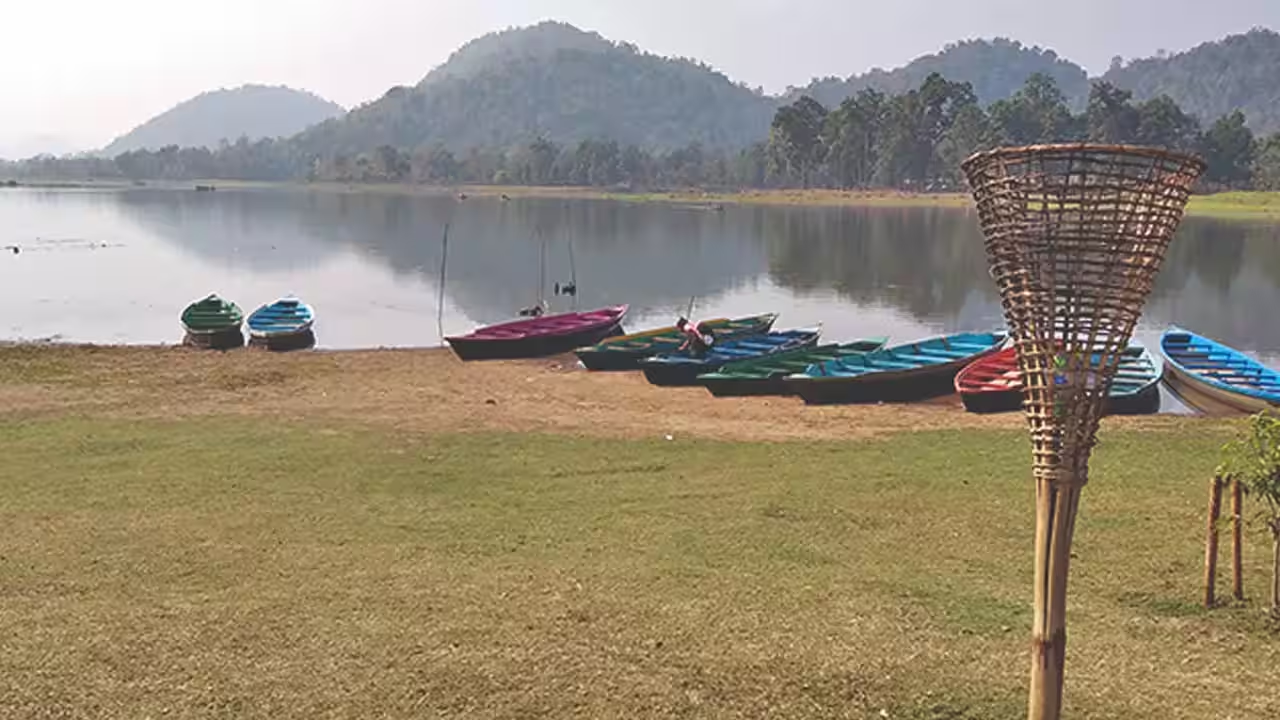
The Assam Forest Department has begun preparations to seek international Ramsar recognition for Chandubi Lake in Kamrup district. The proposed move aims to strengthen wetland conservation and protect the lake’s rich biodiversity.
Nathula Pass Border Trade to Close for 2026 Season on November 30
Chandubi Lake Ramsar Status Proposal Under Preparation
The Assam Forest Department is preparing to initiate the process of seeking Ramsar status for Chandubi Lake. The wetland, located in Kamrup district, is recognised for its ecological importance and diverse birdlife.
According to a report published on November 28, 2026, Kamrup West Divisional Forest Officer Ashok Kumar Dev Choudhury said he would shortly submit a proposal to the state government. The move follows instructions from Kamrup District Commissioner Deba Kumar Mishra.
Preparations for the proposal have already begun. However, the formal submission and subsequent approval process remain ahead.
Ramsar recognition would identify Chandubi Lake as a Wetland of International Importance. It could also strengthen conservation efforts and encourage greater attention to the lake’s ecological needs.
Why Chandubi Lake Is Important for Assam’s Biodiversity
Chandubi Lake is a freshwater wetland situated within the Borduar Reserved Forest under the Loharghat Forest Range. The surrounding landscape includes forests, hills and streams that support diverse wildlife.
The lake is also recognised as an Important Bird Area (IBA) under Category A1. This recognition highlights its importance for bird conservation.
According to ecological assessments, the wetland provides habitat for several bird species, including threatened and migratory varieties. Its relatively secluded location and limited human disturbance in parts of the surrounding area add to its ecological value.
The lake attracts waterbirds during the winter season. Migratory species reported in the area include Bar-headed Geese, Northern Shovelers, White-eyed Pochards and Mallards.
The Lesser Adjutant and Pallas’s Fish Eagle are among the notable threatened bird species associated with the wetland.
These ecological features strengthen the case for examining Chandubi Lake’s suitability for international wetland recognition.
Chandubi Lake’s Connection with the 1897 Earthquake
Chandubi Lake has a distinctive geological history. It was formed following the devastating Assam earthquake of 1897.
The earthquake caused significant changes to the local landscape, resulting in the formation of the freshwater lake. Its geological origin makes Chandubi an important natural feature in the region.
The wetland lies near the foothills of the Garo Hills and close to forested areas bordering Meghalaya. Its surroundings include low, undulating hills, with sal trees among the dominant vegetation.
A major feeding channel connects the lake with the Kulsi River. The wetland also receives water from several inlet streams.
These natural connections contribute to the lake’s freshwater ecosystem and support its aquatic biodiversity.
Ramsar Recognition Could Strengthen Wetland Conservation
The Ramsar Convention provides an international framework for protecting wetlands of global importance. Countries identify suitable wetlands and submit proposals for recognition under the convention.
A Ramsar designation can increase international attention towards a wetland’s ecological importance. It also encourages long-term conservation planning and the sustainable management of natural resources.
For Chandubi Lake, the proposed recognition could support efforts to protect its water quality, wildlife habitats and surrounding forests.
However, Ramsar status does not automatically guarantee that every ecological threat will disappear. Effective protection also requires regular monitoring, responsible land use and cooperation among local communities and authorities.
The proposed initiative could therefore provide an opportunity to strengthen conservation planning around Chandubi.
Bombay Natural History Society Identified Chandubi’s Potential
Chandubi Lake’s potential for Ramsar recognition has attracted attention from conservation researchers in the past.
A survey conducted by the Bombay Natural History Society (BNHS) identified the wetland as a potential Ramsar Site.
The assessment highlighted its ecological importance, including its threatened bird species and freshwater habitat. It also identified the lake under Ramsar wetland type O, which refers to a permanent freshwater lake.
The lake’s biodiversity includes more than 70 reported fish species. Its aquatic ecosystem and surrounding forests support a variety of wildlife.
The earlier scientific assessment provides an important background for the Forest Department’s proposed move.
Wetland Shrinkage Raises Conservation Concerns
Despite its ecological importance, Chandubi Lake has experienced a reduction in its water spread over time.
Available assessments indicate that the wetland once covered a larger area. Siltation and other forms of human interference have contributed to its gradual shrinkage.
One recent assessment placed its current area at approximately 4.5 square kilometres, compared with an earlier extent of around 7.12 square kilometres.
Such changes underline the importance of conservation measures. Wetland shrinkage can affect aquatic habitats, feeding grounds and the availability of resources for birds and other wildlife.
The proposed Ramsar process could bring renewed attention to these challenges. A detailed conservation approach would need to consider the lake’s water sources, surrounding forests and ecological connections.
Chandubi Lake Also Holds Tourism Potential
Beyond biodiversity, Chandubi Lake is known for its scenic landscape and tourism potential.
Its calm waters, surrounding hills and winter birdlife attract visitors. The lake also offers opportunities for nature-based tourism and local economic activities.
In early November 2026, Kamrup District Commissioner Deba Kumar Mishra and Palasbari MLA Himangshu Shekhar Baishya visited the lake with officials and other stakeholders. The delegation discussed conservation concerns and the area’s tourism potential.
Local residents also raised issues affecting the surrounding area. The visit highlighted the need to balance tourism development with environmental protection.
Ramsar recognition could increase public awareness of Chandubi’s ecological value. However, any tourism development would need to respect the wetland’s environmental limits.
Assam’s Ramsar Conservation Efforts
Assam currently has one designated Ramsar Site: Deepor Beel in Guwahati. It received international recognition in 2002.
The proposed Chandubi Lake initiative could expand the state’s efforts to protect internationally important wetlands.
The development also comes as Assam pursues Ramsar recognition for other wetlands. In November 2026, the state government approved a proposal for the Roumari-Donduwa wetland complex in the Kaziranga landscape.
These initiatives reflect growing attention towards wetland conservation across the state.
However, each proposal must undergo the required assessment and designation process. Chandubi Lake has not yet received Ramsar status.
Next Steps in the Ramsar Recognition Process
The immediate step for Chandubi Lake is the submission of the proposal by the Kamrup West Forest Division to the state government.
Further assessments and documentation will be important in establishing the wetland’s eligibility. The proposal must then proceed through the relevant government and international procedures.
The process will require reliable ecological information and details about the lake’s conservation needs.
Authorities have not announced a specific timeline for completing the proposal or securing Ramsar recognition.
Nevertheless, the initiative marks an important development for Chandubi Lake’s conservation prospects. It brings renewed focus to a wetland known for its geological history, birdlife and freshwater ecosystem.
Conclusion
The Assam Forest Department has started preparations to seek Ramsar recognition for Chandubi Lake in Kamrup district. The proposal follows instructions from the Kamrup District Commissioner and aims to highlight the wetland’s international ecological significance.
Chandubi’s importance as an Important Bird Area, its threatened bird species and its freshwater biodiversity strengthen the case for conservation. If the proposal progresses successfully, international recognition could bring greater attention to protecting this important natural landscape.
Frequently Asked Questions (FAQs)
1. Why is Assam seeking Ramsar status for Chandubi Lake?
The Assam Forest Department aims to secure international recognition for the lake’s ecological importance and strengthen wetland conservation.
2. Where is Chandubi Lake located?
Chandubi Lake is located in Kamrup district, Assam, within the Borduar Reserved Forest under the Loharghat Forest Range.
3. Who is preparing the Ramsar status proposal?
Ashok Kumar Dev Choudhury, Divisional Forest Officer of Kamrup West Forest Division, is preparing to submit the proposal to the state government.
4. Has Chandubi Lake received Ramsar status?
No. The Forest Department is preparing the proposal. The lake has not yet received Ramsar designation.
5. Why is Chandubi Lake important for bird conservation?
The lake is recognised as an Important Bird Area and supports threatened and migratory bird species, including the Lesser Adjutant and Pallas’s Fish Eagle.
6. How was Chandubi Lake formed?
Chandubi Lake formed following the major Assam earthquake of 1897, which changed the local landscape.
7. Which organisation identified Chandubi Lake as a potential Ramsar Site?
The Bombay Natural History Society identified Chandubi Lake as a potential Ramsar Site through an ecological survey.
8. How many Ramsar Sites does Assam currently have?
Assam currently has one designated Ramsar Site, Deepor Beel in Guwahati, which received recognition in 2002.