


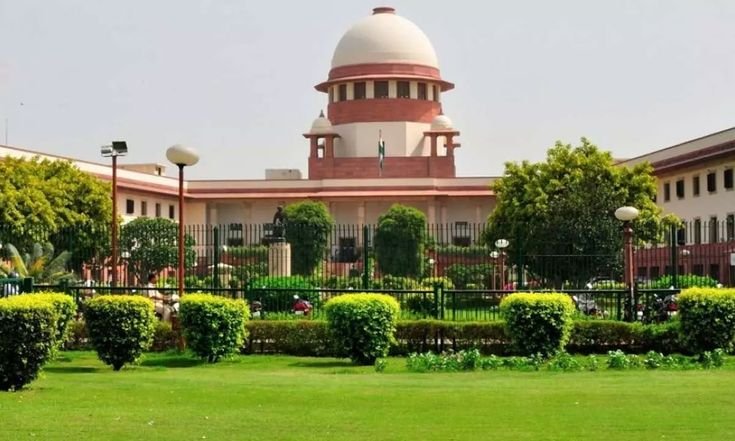
The Assam Supreme Court electoral rolls case has sparked intense debate across India. On December 9, 2025, the Supreme Court directed the Election Commission of India (ECI) to explain why Assam’s voter lists were revised through a special revision instead of the more rigorous Special Intensive Revision (SIR). This move has reignited concerns about illegal immigration, voter integrity, and democratic accountability in Assam.
Supreme Court’s Directive on Assam Electoral Rolls
The Court emphasized that electoral rolls are the foundation of democracy. Petitioners argued that using special revision weakened safeguards against illegal immigrants entering the voter list. By contrast, SIR involves door-to-door verification, document checks, and field-level scrutiny, making it far more reliable.
The Supreme Court’s directive forces the Election Commission to justify its decision and defend its credibility.
Assam Supreme Court Electoral Rolls: SIR vs Special Revision
Why the Method Matters
- Special Intensive Revision (SIR): Comprehensive verification with physical checks and community-level scrutiny.
- Special Revision: Limited corrections and additions, without exhaustive verification.
In Assam, where migration from Bangladesh remains politically sensitive, the difference between these two methods directly affects who gets to vote.
Immigration Concerns in Assam Electoral Rolls
Assam Supreme Court Electoral Rolls and Illegal Immigration
Civil society groups argue that illegal immigrants are being added to voter lists, altering Assam’s demographic balance. Petitioners allege that the choice of special revision was deliberate, designed to bypass strict checks.
This allegation has fueled public anger, with many demanding a fresh SIR to restore trust in Assam’s electoral rolls.
Political Reactions to Assam Supreme Court Electoral Rolls Case
- Opposition parties welcomed the Court’s intervention, calling it a safeguard for democracy.
- Ruling party leaders defended the Election Commission, insisting that the revision was lawful.
- Civil society organizations urged transparency and demanded a full SIR.
The case has quickly become a political flashpoint, shaping Assam’s electoral discourse.
Regional Impact of Assam Supreme Court Electoral Rolls Case
Neighboring states like Meghalaya, Tripura, and Arunachal Pradesh also face migration-related challenges. If the Court rules in favor of stricter revisions, it could set a precedent for electoral reforms across the Northeast.
Historical Context: Assam NRC and Electoral Rolls
Assam has already undergone the National Register of Citizens (NRC) exercise, excluding nearly 1.9 million people. The current case adds another layer: whether electoral rolls are being manipulated to include those excluded from the NRC.
This overlap between NRC and voter lists makes the issue even more sensitive, intertwining citizenship and voting rights.
Why the Assam Supreme Court Electoral Rolls Case Matters
The case highlights how procedural choices can reshape democracy. If voter lists are compromised:
- Genuine citizens risk losing their rights.
- Illegal immigrants may gain undue influence.
- Public trust in elections could collapse.
This is not just a regional issue—it is a national test of electoral integrity.
Citizens must remain vigilant. Check your voter registration details on the ECI portal and report discrepancies. Public participation is the strongest safeguard against electoral malpractice.
READ MORE: Tripura to Observe International Human Rights Day on December 10
The Assam Supreme Court electoral rolls case is more than a legal dispute—it is a battle over the soul of democracy in Assam. By questioning the Election Commission’s choice of revision method, the Court has placed voter integrity and accountability at the forefront.
Whether this leads to a fresh Special Intensive Revision or broader reforms, one fact is clear: Assam’s electoral rolls are now a national concern, and the outcome will shape India’s democratic future.