


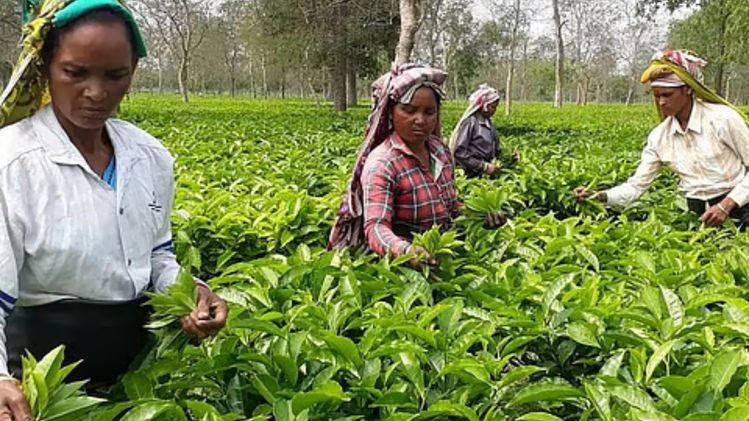
The Assam tea associations have voiced strong concerns to the Tea Board of India regarding a series of pressing issues impacting the sector. Rising imports, declining auction prices, and restrictive pesticide norms have collectively put pressure on the state’s tea industry, which remains one of the biggest employers and revenue earners in the region.
Assam tea associations highlight industry challenges
Leaders of the Assam tea associations recently submitted their grievances to the Tea Board, pointing out that the unchecked rise in imports threatens domestic producers. According to them, cheaper teas from abroad are entering Indian markets, often at lower quality standards, and blending with premium Assam tea. This practice, they argue, undermines the global reputation of Assam tea, which is prized for its strong flavor and quality.
Alongside imports, auction prices have seen a worrying decline. The associations stated that the value earned by planters has dropped significantly compared to production costs. This situation is pushing small growers, who form a significant portion of Assam’s tea economy, into financial hardship.
Another pressing concern raised by the Assam tea associations is the pesticide regulation framework. Growers argue that current restrictions are too strict and often impractical, especially given the region’s unique climatic challenges. They believe the norms need to be more realistic while maintaining safety and international compliance.
Read More: PM Modi in Japan highlights excellence and skill partnership
Auctions and price decline hit small growers hardest
The auction system, long regarded as the backbone of the tea trade, is becoming less effective according to the Assam tea associations. They claim that auction prices are failing to reflect the true cost of production, making it difficult for producers to stay profitable.
For small tea growers, who contribute nearly half of Assam’s total tea output, this problem is especially severe. Many rely solely on auctions to sell their produce, and low prices reduce their earnings drastically. Some growers have already started shifting away from tea due to rising debts and shrinking profits.
The Assam tea associations are demanding reforms to make the auction process more transparent and reflective of actual costs. They also want measures to prevent market manipulation by large buyers who sometimes depress prices.
Pesticide norms spark debate
Another contentious issue raised by the Assam tea associations is pesticide regulation. While they support safe and sustainable farming, growers argue that the Tea Board’s restrictions are too stringent. Certain commonly used plant protection chemicals have been banned, leaving limited alternatives that may not be effective in Assam’s humid climate.
Industry representatives explained that pests and diseases spread quickly in the region’s plantations, making chemical control unavoidable in some cases. Without viable alternatives, productivity and quality may suffer.
The associations urged the Tea Board to review its policies in consultation with scientists, industry experts, and growers. They emphasized the need for a balanced approach that ensures safety but also considers practical realities of tea cultivation in Assam.
Imports threaten Assam tea’s global image
Perhaps the most urgent concern expressed by the Assam tea associations is the impact of rising imports. Stakeholders fear that foreign teas of lower quality are being blended with Assam tea and then sold in the international market. This practice, they said, risks damaging Assam’s long-standing global reputation.
The associations demanded stricter labeling norms to clearly identify the origin of tea in the market. They also asked the Tea Board to ensure that imported teas do not bypass quality checks. By protecting the brand identity of Assam tea, they believe India can safeguard its market share in countries where the tea enjoys high demand.
Assam tea associations seek urgent intervention
The Assam tea associations called upon the Tea Board and the central government to intervene urgently. They requested policies to support small growers, stronger measures against harmful imports, and revised pesticide norms that balance safety with practical needs.
Association leaders warned that without timely action, the tea sector in Assam could face a major crisis. Given that the industry directly employs over a million people and supports many more indirectly, the stakes are extremely high for the state’s economy and livelihood of workers.
A vital industry at crossroads
The concerns raised by the Assam tea associations highlight the fragile state of an industry that has long been the pride of Assam. With global competition, stricter compliance norms, and domestic economic pressures, the sector finds itself at a crossroads.
Experts note that the way forward lies in combining reforms with innovation. Strengthening branding for Assam tea, promoting organic and sustainable farming, and investing in modern technologies could help the industry adapt. At the same time, support from the Tea Board and government will be crucial to safeguard growers during this transition.
Looking ahead
The Assam tea associations have made it clear that the industry’s challenges cannot be ignored. Rising imports, weak auction prices, and strict pesticide rules are creating a perfect storm for growers. Unless addressed soon, these issues may erode Assam tea’s global standing and impact thousands of livelihoods.
As discussions with the Tea Board continue, industry representatives remain hopeful that their voices will lead to concrete policy changes. Assam tea is not just an economic product but also a cultural symbol. Protecting its reputation and ensuring the sustainability of growers is essential for the state’s identity and future prosperity.
By raising these alarms, the Assam tea associations have brought urgent attention to the sector’s struggles. Now, all eyes are on the Tea Board and the government to see how they respond to safeguard Assam’s most iconic product.
Read More: India’s First and Largest Bio-Refinery in Assam’s Golaghat