


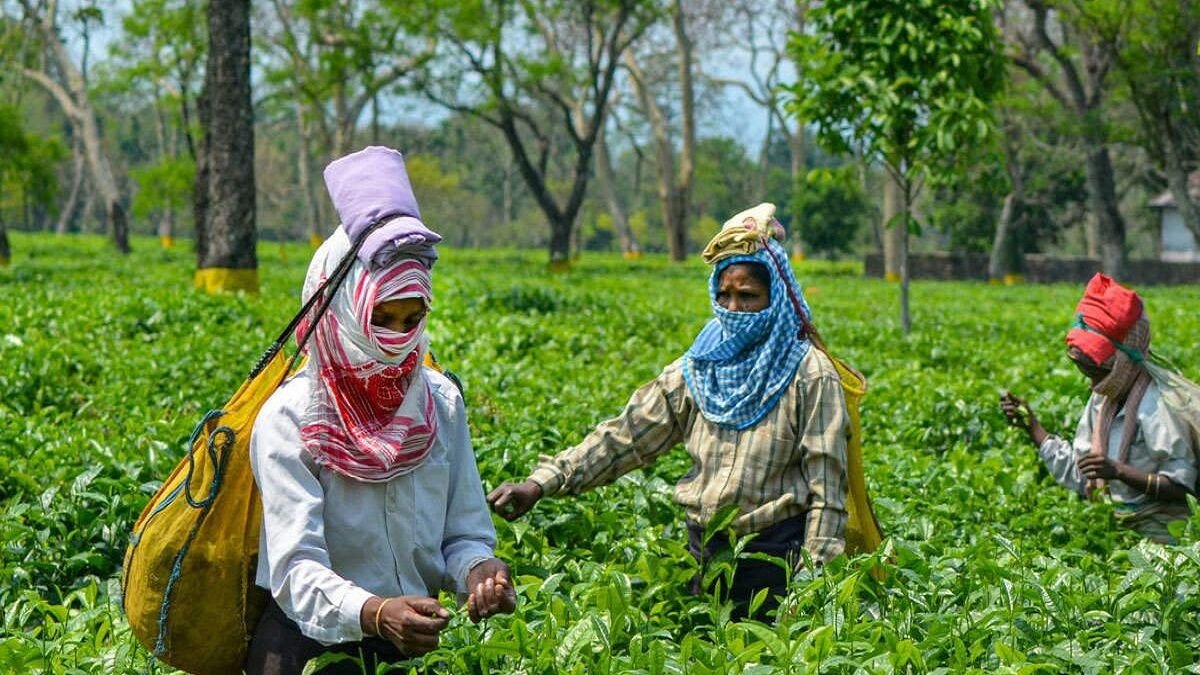
The Assam Tea GI Tag Application has gained attention as small tea growers’ collectives in Dibrugarh reportedly applied for a specialized Geographical Indication tag for their tea. The initiative aims to strengthen the identity of locally produced tea and potentially provide greater recognition for growers in domestic and international markets.
Rhino Poaching Foil: Anti-Poaching Task Force Arrests Three Suspects Near Orang National Park
The Assam Tea GI Tag Application could offer small growers an opportunity to distinguish their products based on their geographical origin and specific characteristics. Moreover, a successful GI registration can help protect the reputation associated with a recognised regional product.
Dibrugarh remains closely associated with Assam’s tea industry. Therefore, a specialised geographical indication could create an additional platform for promoting tea produced by small growers in the district.
The application also reflects the growing importance of collective branding among small producers. Additionally, stronger product identity could support marketing, quality awareness, and better access to premium markets.
Assam Tea GI Tag Application Supports Small Growers
The Assam Tea GI Tag Application represents an effort by small tea growers’ collectives to establish a distinct identity for their regional product.
Moreover, small growers can face challenges when competing in markets dominated by larger producers and established brands. Consequently, collective recognition can help producers communicate the origin and characteristics of their tea more effectively.
A GI tag identifies products associated with a specific geographical area and qualities or reputation linked to that location. Furthermore, registered producers can use the GI framework to strengthen the authenticity of their products.
The application process itself does not guarantee approval. Therefore, the relevant authorities will need to examine the submitted evidence and determine whether the product meets the applicable GI requirements.
Assam Tea GI Tag Application Highlights Dibrugarh’s Tea Heritage
The Assam Tea GI Tag Application also highlights Dibrugarh’s longstanding connection with tea cultivation and production.
Additionally, Assam has built a strong global reputation for its distinctive tea. As a result, a specialised GI application could further highlight the contribution of small growers to the state’s tea economy.
The collective approach can also help growers work together on branding and quality standards. Meanwhile, shared marketing strategies can make it easier for smaller producers to reach consumers outside their immediate markets.
If the application progresses successfully, producers could gain a stronger tool for communicating the geographical identity of their tea. Therefore, maintaining consistent quality and traceability would remain important.
Assam Tea GI Tag Application Could Strengthen Market Access
The Assam Tea GI Tag Application could create new opportunities for small growers if the proposed indication receives approval.
Moreover, geographical recognition can strengthen consumer confidence by linking products to a specific place and established reputation. Consequently, producers may gain opportunities to target specialised or premium markets.
The GI framework can also help protect the name and identity associated with a recognised product. Furthermore, collective use of the designation can encourage producers to maintain agreed quality standards.
However, market benefits depend on more than GI registration alone. Therefore, growers may also need stronger packaging, branding, quality control, processing facilities, and distribution networks to maximise the commercial value of the designation.
Conclusion
The Assam Tea GI Tag Application marks a notable development for Dibrugarh’s small tea growers, who have reportedly applied for a specialised Geographical Indication tag.
Furthermore, the initiative could strengthen the identity of locally produced tea, support collective branding, and create opportunities for greater market recognition. The application will still need to undergo the appropriate evaluation before authorities determine whether it qualifies for registration.
Overall, the Assam Tea GI Tag Application highlights the efforts of small tea growers to protect and promote the regional identity of their products while seeking stronger opportunities within Assam’s important tea economy.
FAQs
1. What is the Assam Tea GI Tag Application?
The Application refers to the reported application submitted by small tea growers’ collectives in Dibrugarh for a specialised geographical indication for their tea.
2. What is a GI tag?
A Geographical Indication identifies products that originate from a particular geographical area and possess qualities, reputation, or characteristics linked to that location.
3. Why are small growers seeking a GI tag?
A GI designation could help small growers establish a stronger regional identity, improve product recognition, and potentially access specialised markets.
4. Does submitting an application guarantee a GI tag?
No. Authorities must examine the application and supporting evidence before deciding whether the product meets the relevant registration requirements.
5. How could a GI tag benefit Dibrugarh’s tea sector?
If approved and effectively marketed, the designation could strengthen regional branding, consumer recognition, product authenticity, and opportunities for small tea growers.