


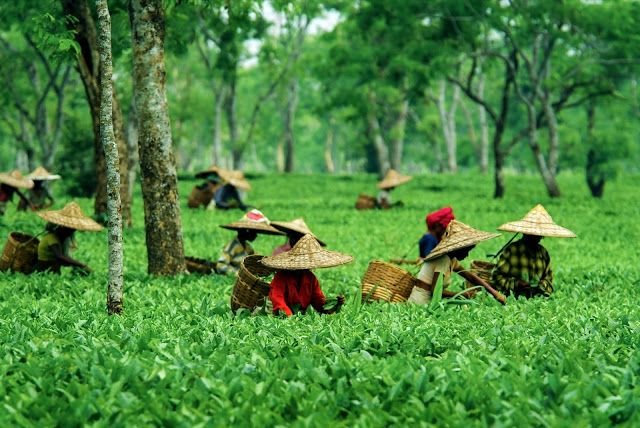
The lush tea gardens of Assam, a cornerstone of India’s tea industry, are currently facing a serious challenge. Assam tea growers are grappling with falling prices as the market is flooded with cheaper tea imports from African countries. This surge threatens not only their financial viability but also the heritage and economy of the region that depends heavily on tea production.
The Price Decline: A Threat to Assam’s Tea Industry
Tea is more than just a crop in Assam; it is a lifeline for millions of farmers and workers across the state. However, the recent fall in tea prices has put these growers under immense financial pressure. Analysts attribute this decline largely to a steep increase in imports of African tea varieties, which are often priced lower than Assam’s premium teas.
According to industry experts, falling prices for Assam tea have dipped below sustainable levels, forcing many small and medium growers to question their future.
Why Are African Tea Imports Rising?
Several African nations like Kenya, Rwanda, and Malawi have ramped up their tea production in recent years, capitalizing on favorable climatic conditions and improved agricultural practices. These countries export large volumes of black tea, which find their way into global markets, including India.
Cheaper production costs and competitive pricing have enabled African exporters to flood the Indian market, putting Assam tea growers at a disadvantage.
Impact on Assam Tea Growers: Financial and Social Concerns
Economic Strain on Farmers
Small-scale tea growers are feeling the pinch the most. Many rely exclusively on tea cultivation for their livelihoods, and with prices falling, their incomes are sharply declining. Some growers have already reported cutting down on labor and maintenance costs, which risks the quality of future tea harvests.
“The current prices do not even cover our basic costs,” said Ramesh Baruah, a tea planter from Jorhat. “If this continues, many of us may be forced to leave the tea business.”
Threat to Employment in Tea Estates
The tea sector in Assam employs over a million workers, many from tribal and marginalized communities. Falling prices could lead to layoffs and wage cuts, worsening the socio-economic conditions of thousands of families dependent on the industry.
Government and Industry Response
Calls for Protective Measures
Industry associations like the Tea Board of India and Assam Tea Planters’ Association have urged the government to impose stricter import duties or safeguard measures on African tea to protect domestic growers.
Additionally, they advocate for increased marketing and branding efforts to promote Assam tea’s unique qualities in both domestic and international markets.
Steps Towards Sustainable Growth
To remain competitive, Assam tea growers are also exploring diversification and value addition. These include organic tea cultivation, specialty teas, and adopting sustainable farming practices to attract premium prices.
Such efforts aim to differentiate Assam tea from bulk imports and maintain its premium market position.
How Consumers Can Support Assam Tea Growers
As consumers, we can play a vital role in supporting Assam’s tea industry. Here’s how:
- Choose Assam Tea: Opt for authentic Assam tea brands that directly support local growers.
- Spread Awareness: Share the story of Assam tea’s challenges to generate consumer interest and advocacy.
- Support Sustainable Products: Purchase organic or specialty Assam teas that promote fair wages and sustainable farming.
The Road Ahead for Assam Tea Growers
The current surge in African tea imports poses a serious challenge for Assam tea growers struggling with falling prices. Protecting this vital industry requires coordinated efforts from the government, industry stakeholders, and consumers.
By supporting Assam tea, promoting sustainable practices, and encouraging policy reforms, we can help safeguard the livelihoods of millions and preserve the rich heritage of Assam tea.
READ MORE: Elephant Breaks Barricade Golaghat Ahead of PM Visit
Support Assam tea growers by choosing authentic Assam tea brands and spreading awareness about the challenges they face. Together, we can ensure that Assam’s tea industry continues to thrive in the face of global competition.