


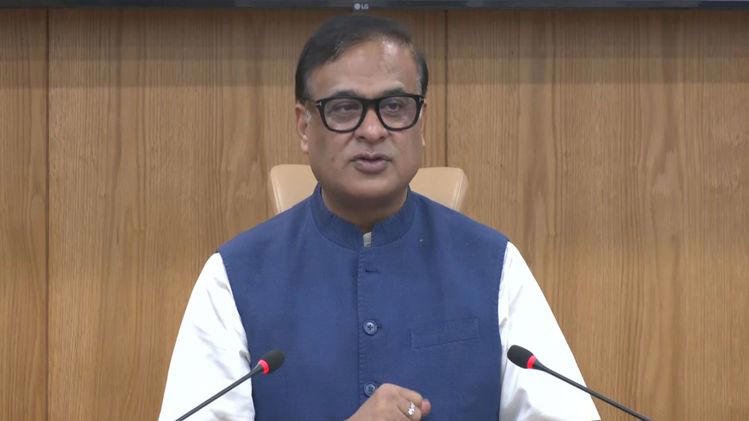
The Assam government plans to establish government-run rehabilitation centres in every district to strengthen its fight against drug addiction. Chief Minister Himanta Biswa Sarma announced the plan on September 15 after a two-day District Commissioners’ Conference in Jorhat.
The initiative aims to provide structured treatment and rehabilitation support to people struggling with drug addiction. The government also wants to help affected individuals return to normal life through access to safer and regulated treatment facilities.
Sarma said the decision followed several complaints about private de-addiction centres in the state. According to the Chief Minister, authorities found instances where people consumed drugs inside some private facilities.
The government now plans to strengthen its own rehabilitation network while also increasing scrutiny of private centres.
Read More: Tripura to Hold Month-Long ‘Seva Pakhwada’ for PM Modi’s Birthday
Government Centres to Strengthen Treatment
The proposed Assam drug rehabilitation centres will provide a government-supported option for people seeking help with substance dependence.
The government has not yet announced a detailed timeline for opening every proposed centre. It has also not released district-wise details about locations, staffing or funding.
However, the Chief Minister said the government intends to establish a centre in each district. He also indicated that the expansion could reduce dependence on private rehabilitation facilities once government centres become operational.
The move places rehabilitation alongside enforcement in Assam’s wider anti-drug strategy. While law enforcement agencies work to stop the supply of narcotics, treatment services can help people already affected by addiction.
Private De-Addiction Centres Under Scrutiny
The announcement also puts private rehabilitation centres under greater scrutiny.
Sarma said the government had received complaints about some private de-addiction facilities. He also said officials had found instances of drug consumption at certain centres.
The government therefore plans to examine the functioning of private facilities more strictly. Authorities will need to check whether these centres follow the required standards and provide appropriate treatment.
Assam already has a Standard Operating Procedure (SOP) for establishing and operating de-addiction-cum-rehabilitation centres. The state’s Social Justice and Empowerment Department published the SOP to guide the functioning of such facilities.
Stronger monitoring could help authorities identify facilities that fail to meet prescribed requirements.
Existing Rehabilitation Services in Assam
Assam already has several de-addiction facilities. The proposed district-wide network would expand access to treatment rather than introduce rehabilitation services for the first time.
The State Anti-Drug and Prohibition Council currently operates two De-addiction-cum-Rehabilitation Centres. One operates in Jorhat, while the other operates in Silchar. The centres have functioned since 2000 with financial assistance from the Government of India.
The state also has other facilities supported through national programmes. Government data from 2025 listed de-addiction centres across several Assam districts.
These existing facilities provide a base for expanding treatment services across the state.
Focus on Accessible Treatment
Distance can create a major barrier for people seeking addiction treatment. Patients from remote districts may have to travel long distances to reach specialised facilities.
The district-level approach could bring rehabilitation services closer to affected communities. It could also make it easier for families to seek professional assistance when they need it.
Government health programmes already use district-level facilities to improve access to medical services. Assam’s health department, for example, operates District Mental Health Programme services in several districts. These programmes aim to provide early detection, treatment and rehabilitation closer to communities.
A wider rehabilitation network could similarly reduce travel barriers for people dealing with substance-use disorders.
Treatment Must Go Beyond Detoxification
Effective rehabilitation involves more than simply stopping drug use. People recovering from substance dependence may require counselling, medical supervision, family support and follow-up care.
The national framework for drug demand reduction includes several components. These include preventive education, identification of people affected by addiction, motivational counselling, detoxification, de-addiction treatment, aftercare and reintegration into society.
The proposed Assam centres could therefore play a wider role than providing short-term treatment.
Counselling can help patients understand the causes and effects of addiction. Follow-up services can also help people maintain recovery after leaving a rehabilitation centre.
Family involvement can further support long-term recovery and reduce the chances of relapse.
District-Level Centres Could Improve Follow-Up
A rehabilitation centre within each district could also improve follow-up after treatment.
Patients often need continued support after completing an initial treatment programme. Regular counselling and community-based support can help them adjust to everyday life.
Local facilities could make follow-up appointments easier. They could also help healthcare workers stay connected with families and identify people who need additional support.
The government will need trained professionals to make this system effective. Doctors, counsellors, psychologists, nurses and social workers can all play important roles in rehabilitation.
The centres will also require proper facilities and clear treatment protocols.
Assam Strengthens Its Anti-Narcotics Strategy
The rehabilitation plan comes alongside Assam’s wider efforts to tackle narcotics.
Sarma referred to the BRICS Guwahati Declaration on drugs during his interaction with the media. He said the declaration would bring BRICS member countries together to strengthen the fight against narcotics.
The Chief Minister described international cooperation as important for creating a safer future.
The state’s approach therefore involves both supply-side enforcement and demand reduction. Police and enforcement agencies can target drug networks, while rehabilitation services can help people affected by substance dependence.
Combining these approaches can give the state a broader response to the problem.
Need for Strong Regulation and Transparency
The expansion of government rehabilitation centres will also require strong oversight.
Authorities will need to establish clear standards for treatment, patient safety and staff qualifications. They will also need systems for monitoring the quality of care.
The government’s concerns about some private centres highlight the importance of regulation. Patients and their families need reliable information about where they can safely seek treatment.
Regular inspections can help ensure that both government and private facilities maintain appropriate standards.
Public Awareness Will Remain Important
Rehabilitation alone cannot address drug addiction. Public awareness also has an important role.
Young people, families, schools and communities need accurate information about substance use and its risks. Awareness programmes can encourage people to seek help before addiction becomes more severe.
Assam’s State Anti-Drug and Prohibition Council already conducts awareness activities in rural areas and tea garden communities. It also organises programmes around the International Day Against Drug Abuse and Illicit Trafficking.
Expanding such efforts alongside treatment facilities could strengthen the state’s overall response.
Road Ahead for Assam’s Anti-Drug Campaign
The decision to establish government rehabilitation centres in every district marks a significant expansion of Assam’s treatment infrastructure.
The plan aims to make professional support more accessible to people struggling with drug addiction. It also reflects the government’s decision to examine private de-addiction centres more closely following complaints about some facilities.
The next stage will involve deciding locations, funding, staffing and treatment models for the proposed centres. The government will also need to maintain strong standards and regular monitoring.
For Assam, the success of the initiative will depend not only on opening new centres but also on ensuring quality treatment, counselling, aftercare and social reintegration.
With a government rehabilitation centre planned for every district, the state is seeking to build a wider support system for people affected by addiction while strengthening its broader campaign against illegal drugs.
Read More: Chief Minister Rekha Gupta Announces Hostels for 10,000 Students in Delhi