


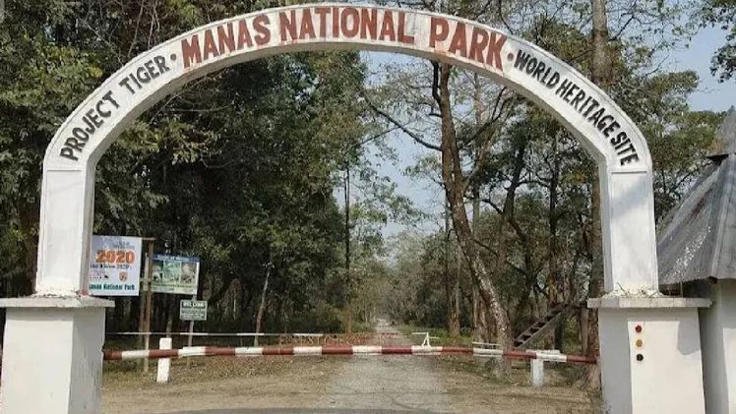
Assam’s Manas National Park and Tiger Reserve will reopen to tourists on October 2, 2026, marking the beginning of the 2026-27 tourism season.
The reopening will allow visitors to return to one of Assam’s most important wildlife destinations after the annual monsoon closure. The park attracts tourists from across India and abroad because of its rich biodiversity, scenic landscapes and range of wildlife.
The new tourism season is expected to bring renewed activity to the local tourism sector, including safari operators, guides, hotels, homestays and other businesses that depend on visitors.
Read More: Trust in Election Commission Blown to Shreds, Says Gaurav Gogoi as He Targets CEC Gyanesh Kumar
Annual Closure During the Monsoon
Manas National Park closes to tourists during part of the year because of the monsoon season. Heavy rainfall can make forest roads difficult to navigate and affect safari operations.
The closure also allows the park authorities to manage tourism activities during a period when weather and terrain conditions can create challenges.
With the arrival of the new tourism season, authorities have been preparing the park and its visitor facilities for tourists.
The reopening date of October 2 coincides with the start of the main post-monsoon tourism period in Assam.
Wildlife Attractions at Manas
Manas is known for its diverse wildlife and natural landscapes. The protected area forms part of the Eastern Himalayan biodiversity region and supports several important species.
The park is home to tigers, elephants, one-horned rhinoceroses, wild water buffaloes, leopards and several species of deer.
Manas also provides habitat for several rare and threatened species. Its wildlife diversity makes it an important destination for nature lovers, photographers and researchers.
The park’s grasslands, forests, rivers and wetlands create a varied landscape that supports different species.
Manas Tiger Reserve
Manas National Park forms part of the larger Manas Tiger Reserve, which is an important tiger habitat in the Northeast.
The tiger reserve covers a much larger landscape than the national park itself. It includes areas that support wildlife movement and provide important habitats for different species.
Tiger conservation remains one of the major objectives of the protected landscape. However, visitors can encounter a wide range of animals and birds during safaris.
The reserve’s location near the Bhutan border also gives it ecological importance within the larger transboundary landscape.
Safaris and Tourist Activities
Visitors to Manas can explore the park through organised safari experiences. Jeep safaris remain one of the main ways for tourists to travel through the forest and observe wildlife.
The park’s varied terrain provides opportunities to see animals in grassland, woodland and wetland habitats.
Birdwatching is another major attraction. Manas supports a large variety of resident and migratory bird species.
Tourists can also explore the surrounding areas and experience the cultural and natural heritage of communities living near the park.
The exact availability of safari routes and activities can depend on weather, forest conditions and directions issued by park authorities.
Boost for Local Tourism
The reopening of Manas is also important for communities and businesses located around the park.
Tourism supports a wide network of local services. These include accommodation providers, restaurants, transport operators, safari drivers, naturalist guides and handicraft sellers.
The return of visitors can provide seasonal income for people living around the protected area.
Local communities can also benefit from homestays and community-based tourism activities. Such initiatives can connect wildlife tourism with local livelihoods.
Conservation and Responsible Tourism
Tourism remains closely linked to conservation at Manas. Visitor activities generate revenue and awareness while also creating responsibilities for protecting the park’s environment.
Tourists are expected to follow park rules and avoid activities that could disturb wildlife.
Visitors should maintain safe distances from animals, avoid littering and follow instructions from forest officials and safari guides.
Responsible tourism can help protect the park while allowing visitors to experience its biodiversity.
Manas and Assam’s Wildlife Tourism
Assam has several major wildlife destinations, including Kaziranga, Orang, Nameri and Dibru-Saikhowa. Manas adds another important destination to the state’s wildlife tourism circuit.
The park’s combination of forests, grasslands, rivers and wildlife makes it different from other protected areas in the state.
Its proximity to Bhutan also provides opportunities for tourism linked to the wider Himalayan landscape.
The reopening of Manas therefore adds momentum to Assam’s wildlife tourism season.
Preparing for the 2026-27 Season
With the October 2 reopening approaching, tourism stakeholders are preparing for the arrival of visitors.
Hotels and homestays around the park can expect renewed bookings during the tourism season. Safari operators and guides will also resume regular services.
Tourists planning visits should check official park notifications regarding entry rules, safari availability, timings and booking procedures before travelling.
Weather conditions can also affect access to particular areas within the park.
Manas Ready for a New Tourism Season
The reopening of Manas National Park on October 2, 2026, marks the beginning of another tourism season for one of Assam’s best-known wildlife destinations.
The park’s rich biodiversity, scenic landscapes and tiger reserve status continue to attract visitors interested in wildlife and nature.
The new season will also provide opportunities for local businesses and communities that depend on tourism.
As visitors return, responsible travel and adherence to forest regulations will remain important for protecting Manas’s fragile ecosystem. With conservation and tourism operating together, the 2026-27 season is set to bring renewed attention to Assam’s wildlife heritage.