


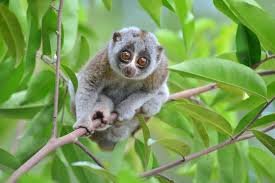
The Bengal Slow Loris Intrusion has become a growing concern for residents living along the Assam-Arunachal Pradesh boundary, particularly in the Ruksin area. Wildlife officials have reported an increase in sightings of Bengal Slow Lorises straying from reserve forests into nearby human settlements. Moreover, the development has raised concerns about human-wildlife interactions, habitat pressures, and the need for conservation measures to ensure the safety of both local communities and the protected species.
Sushmita Dev BJP Speculation Intensifies After Meeting with Himanta Biswa Sarma
Sushmita Dev Rajya Sabha Resignation Sparks Political Discussions
Bengal Slow Loris Intrusion Reported in Ruksin
The Bengal Slow Loris Intrusion has drawn attention after wildlife officials in Ruksin observed an increasing number of lorises entering areas close to human habitation.
Moreover, repeated sightings have generated concern among residents who are unfamiliar with the nocturnal primates and their behavior.
Wildlife Officials Monitor the Situation
Authorities from the wildlife department have been monitoring reports of Bengal Slow Lorises appearing in villages and settlements. Consequently, officials are assessing the frequency of these movements and their possible causes.
Additionally, wildlife monitoring plays a crucial role in understanding changing animal movement patterns.
Human-Wildlife Interaction Concerns Rise
The Bengal Slow Loris Intrusion has intensified discussions about human-wildlife interactions along the Assam-Arunachal Pradesh boundary. Therefore, officials are encouraging residents to avoid disturbing or attempting to handle the animals.
Furthermore, peaceful coexistence often depends on public awareness and responsible behavior when wildlife enters populated areas.
Protected Species Draws Attention
The Bengal Slow Loris is a protected primate known for its nocturnal habits and distinctive appearance. Consequently, sightings near residential areas have attracted considerable interest among local communities.
Moreover, the species plays an important role in maintaining ecological balance within forest ecosystems.
Habitat Pressures May Influence Movement
The Bengal Slow Loris Intrusion has prompted discussions regarding possible factors influencing wildlife movement. Therefore, experts often examine habitat conditions, food availability, and environmental changes when assessing such developments.
Additionally, changes within forest ecosystems can sometimes affect the movement patterns of wildlife species.
Residents Express Safety Concerns
Local residents have expressed anxiety about the increasing frequency of loris sightings. Consequently, wildlife authorities have sought to reassure communities by providing information about the species and appropriate safety measures.
Furthermore, awareness campaigns can help reduce misunderstandings and unnecessary fear.
Conservation Efforts Receive Renewed Focus
The Bengal Slow Loris Intrusion has highlighted the importance of conservation initiatives aimed at protecting wildlife habitats. Therefore, officials continue to emphasize the need for preserving forest ecosystems that support native species.
Moreover, habitat conservation remains a critical component of long-term wildlife protection strategies.
Authorities Encourage Responsible Response
Wildlife officials have urged the public to report sightings rather than attempting to capture or relocate the animals. Consequently, trained personnel can respond appropriately while ensuring the welfare of both residents and wildlife.
Additionally, responsible reporting helps authorities gather valuable information about animal movements.
Ecological Significance of the Species
The Bengal Slow Loris contributes to the biodiversity of northeastern India’s forests. Therefore, protecting the species remains important from both ecological and conservation perspectives.
Furthermore, healthy wildlife populations often indicate the overall condition of forest ecosystems.
Monitoring and Awareness to Continue
Officials are expected to continue monitoring sightings and engaging with local communities. Meanwhile, efforts remain focused on minimizing risks and promoting coexistence between humans and wildlife.
Moreover, the Bengal Slow Loris Intrusion serves as a reminder of the close relationship between forest habitats and the communities that live near them.
Conclusion
The Bengal Slow Loris Intrusion reported in the Ruksin region has brought renewed attention to wildlife conservation and human-animal interactions along the Assam-Arunachal Pradesh boundary. As more Bengal Slow Lorises are spotted near human settlements, concerns have emerged regarding public safety, habitat conditions, and the welfare of the protected species. Wildlife officials continue to monitor the situation while encouraging residents to remain calm and follow recommended guidelines.
Moreover, the development highlights the importance of preserving natural habitats that support diverse wildlife populations. Forest ecosystems provide essential resources for species such as the Bengal Slow Loris, and maintaining these environments remains crucial for long-term conservation. Increased awareness among local communities can also help reduce conflicts and promote responsible responses to wildlife sightings.
Furthermore, the Bengal Slow Loris Intrusion underscores the need for continued cooperation between conservation authorities and residents. Effective monitoring, habitat protection, and public education can help ensure that both people and wildlife remain safe. Overall, the situation serves as an important reminder of the delicate balance that exists between human settlements and the natural world in ecologically rich regions of Northeast India.
FAQs
Q1. What is the Bengal Slow Loris Intrusion?
The Bengal Slow Loris Intrusion refers to the increasing movement of Bengal Slow Lorises from reserve forests into human settlements near Ruksin along the Assam-Arunachal boundary.
Q2. Where have the sightings been reported?
The sightings have primarily been reported in and around Ruksin near the Assam-Arunachal Pradesh border region.
Q3. Why are wildlife officials concerned?
Officials are monitoring the situation because increased human-wildlife interactions can create risks for both residents and the protected animals.
Q4. What should residents do if they encounter a Bengal Slow Loris?
Residents should avoid disturbing the animal and inform wildlife authorities so trained personnel can respond appropriately.
Q5. Why is the Bengal Slow Loris Intrusion significant?
The Bengal Slow Loris Intrusion is significant because it highlights conservation challenges, habitat pressures, and the need for coexistence between wildlife and local communities.