


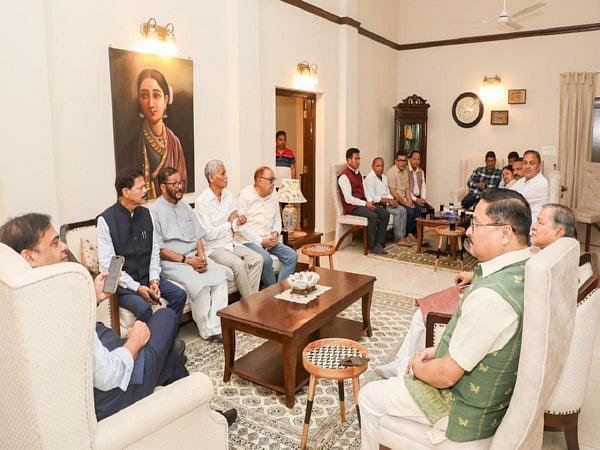
As the Assam Assembly Elections 2026 draw closer, several leaders from the Bharatiya Janata Party (BJP) and the Asom Gana Parishad (AGP) have reportedly switched sides in a bid to secure election tickets. This trend has intensified political activity in the state and highlighted the competitive nature of candidate selection.
The recent developments underline how ticket distribution often triggers realignments within political parties. Leaders who feel sidelined or uncertain about their prospects are increasingly exploring opportunities with rival parties. As a result, Assam’s political landscape is witnessing a phase of rapid change.
Read More: Arunachal CM Hails Tingong Wangpan’s Gold and National Record
Ticket Distribution Sparks Internal Discontent
The process of selecting candidates has become a major source of tension within parties. Both BJP and AGP have been carefully evaluating potential candidates based on winnability and local influence. However, this has led to dissatisfaction among some leaders who were expecting nominations.
Consequently, several leaders have chosen to switch affiliations rather than risk being left out of the electoral contest. This pattern reflects the high stakes involved in the upcoming elections. It also shows how internal party decisions can shape broader political developments.
Moreover, party switching is not a new phenomenon in Assam politics. Yet, its frequency tends to increase significantly during election periods.
Leaders Seek Better Prospects in Rival Camps
Many leaders who have switched sides believe that joining another party increases their chances of securing a ticket. In some cases, they also see better opportunities to connect with voters under a different political banner.
These decisions are often influenced by local political equations. Leaders assess factors such as party strength, voter base, and alliance dynamics before making a move. Therefore, switching sides is usually a calculated step rather than an impulsive decision.
Additionally, rival parties are often willing to welcome such leaders, especially if they bring strong grassroots support. This mutual benefit drives the trend of political realignment.
Impact on BJP and AGP’s Election Strategy
The shifting loyalties of leaders can pose challenges for both BJP and AGP. Losing experienced members may affect organizational strength in certain constituencies. At the same time, accommodating new entrants requires careful planning to avoid internal conflicts.
For the BJP, maintaining its dominant position in Assam will depend on how effectively it manages these changes. The party will need to balance new inclusions with the expectations of existing members.
Similarly, the AGP must ensure that its core support base remains intact while adapting to the evolving political scenario. The party’s ability to retain key leaders will be crucial in determining its performance.
Rise in Political Competition Across Constituencies
The increasing number of leaders switching sides has intensified competition in several constituencies. With more candidates vying for tickets, the electoral battle is expected to be highly competitive.
This trend also indicates that parties are focusing on selecting candidates who can deliver results on the ground. As a result, leaders are under pressure to demonstrate their electoral viability.
Furthermore, the presence of strong candidates from multiple parties could lead to closely contested races. This adds an element of unpredictability to the elections.
Voter Perception and Trust Factors
Frequent party switching can influence voter perception. While some voters may view it as a strategic move, others may question the loyalty and commitment of such leaders.
In many cases, voters prioritize local performance and accessibility over party affiliation. Therefore, leaders with a strong track record may still retain support despite changing parties.
However, maintaining trust remains a challenge. Leaders must effectively communicate their reasons for switching sides to avoid negative reactions from the electorate.
Role of Alliances in Shaping Political Moves
Alliances play a significant role in Assam’s political landscape. Seat-sharing arrangements often determine which party fields candidates in specific constituencies.
This dynamic can influence leaders’ decisions to switch parties. For instance, if a constituency is allocated to an alliance partner, leaders from the original party may look for opportunities elsewhere.
Therefore, alliance negotiations are closely linked to the trend of political realignment. As discussions progress, more shifts may occur in the coming weeks.
Historical Context of Party Switching in Assam
Assam has witnessed several instances of party switching in past elections. Leaders have often changed affiliations to adapt to evolving political scenarios.
While this trend reflects the fluid nature of politics, it also highlights the importance of individual leadership in the state. Personal influence and grassroots connect often play a decisive role in elections.
Consequently, parties remain open to accommodating leaders who can strengthen their prospects. This flexibility contributes to the dynamic nature of Assam’s political environment.
What Lies Ahead as Polls Approach
With the elections approaching, more political movements are expected. Parties will continue to finalize their candidate lists, which may trigger further shifts.
Leaders who are yet to secure tickets may explore alternative options, including joining rival parties or contesting as independents. This phase will be crucial in shaping the final electoral landscape.
At the same time, parties will focus on strengthening their campaign strategies. Voter outreach, manifesto announcements, and alliance negotiations will dominate the political discourse.
Conclusion: A Dynamic Phase in Assam Politics
The trend of BJP and AGP leaders switching sides underscores the dynamic nature of Assam’s political scene ahead of the 2026 Assembly elections. It reflects the intense competition and high stakes involved in securing party tickets.
As political realignments continue, the impact on electoral outcomes remains to be seen. However, one thing is clear: the coming months will witness heightened activity, strategic decisions, and evolving alliances that will shape the future of Assam’s politics.
Read More: ‘Jag Laadki’ Reaches Mundra with 80,886 MT Crude via Strait of Hormuz