


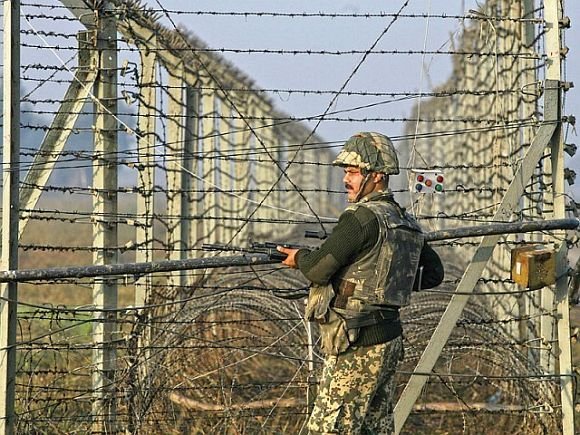
The government’s renewed focus on border security and infrastructure development is reshaping remote districts. With new road projects announced, connectivity is improving, and communities are finally seeing opportunities that were long overdue.
Border Security Linked to Infrastructure Development
Officials emphasize that building roads in border regions is not just about convenience—it is a strategic necessity. Improved connectivity allows:
- Faster movement of security forces.
- Better surveillance and monitoring of sensitive areas.
- Enhanced supply chains for both defense and local communities.
The push for border security and infrastructure development reflects a dual commitment to safety and prosperity.
New Road Projects Announced
Recent announcements include multiple road projects across remote districts in the Northeast and Himalayan regions. These projects aim to:
- Connect villages near international borders.
- Provide all-weather access to security outposts.
- Facilitate trade and tourism in previously inaccessible areas.
Local leaders have welcomed the move, noting that better roads will reduce travel times and open up opportunities for education, healthcare, and commerce.
Infrastructure Development as a Catalyst for Growth
Beyond security, these road projects are expected to transform local economies. Improved infrastructure can:
- Encourage small businesses and local markets.
- Attract investment in tourism and agriculture.
- Provide easier access to schools and hospitals.
For communities in remote districts, border security and infrastructure development is more than policy—it is a lifeline.
Voices from Remote Districts
Residents have expressed optimism about the new projects. One community leader stated:
“For decades, we felt cut off from the rest of the country. These roads will bring us closer, not just physically but economically and socially.”
Such sentiments highlight the human impact of infrastructure development, reinforcing its importance beyond strategic goals.
Government Commitment to Connectivity
The government has pledged significant funding for these projects, with timelines set for completion within the next few years. Officials stress that transparency and efficiency will be key to ensuring success.
Critics, however, caution that delays and environmental challenges could hinder progress. They call for stronger monitoring mechanisms to ensure that promises translate into reality.
Environmental and Social Considerations
While road construction brings benefits, it also raises concerns:
- Potential deforestation in sensitive ecosystems.
- Displacement of local communities.
- Risk of landslides in mountainous regions.
Authorities insist that environmental safeguards will be integrated into project planning, balancing development with sustainability.
Support Sustainable Development
Citizens and policymakers alike must ensure that border security and infrastructure development projects are implemented responsibly. This means:
- Supporting eco-friendly construction practices.
- Holding authorities accountable for timelines and quality.
- Encouraging community participation in decision-making.
READ MORE: Supreme Court NIA Kuki-Zo Fake Encounter
The renewed focus on border security and infrastructure development underscores the importance of connectivity in remote districts. New road projects promise to strengthen national defense while uplifting communities that have long been marginalized.
For residents, these roads represent more than asphalt—they symbolize opportunity, inclusion, and hope. As projects move forward, the challenge will be to balance speed with sustainability, ensuring that development benefits both security forces and citizens.