


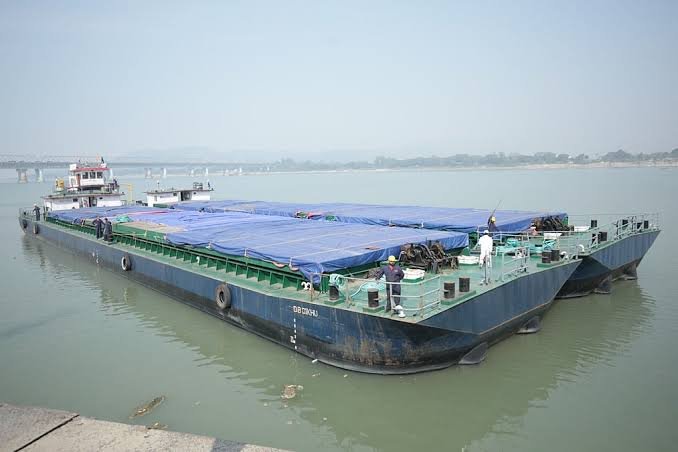
The Brahmaputra Waterways Cargo Routes mark a significant development in regional connectivity as new commercial cargo routes strengthen links between Assam and ports in Bangladesh. The expansion of inland water transport could create additional options for moving goods between the Northeast and international trade corridors.
Lumding Badarpur Rail: Digital Signalling Upgrades Complete, Cutting Travel Time by 40 Minutes
The Brahmaputra Waterways Cargo Routes can support Assam’s role as an important gateway for regional trade. Moreover, waterways can offer an alternative to road and rail transportation for suitable categories of bulk and containerised cargo.
The Inland Waterways Authority of India plays an important role in developing navigable waterways and supporting inland cargo movement. Therefore, improved river connectivity could help businesses access markets through multimodal transportation networks.
The initiative also aligns with broader efforts to strengthen connectivity between India’s Northeast and Bangladesh. Additionally, stronger waterway links could reduce transportation bottlenecks and improve access to ports for exporters and importers.
Brahmaputra Waterways Cargo Routes Expand Regional Trade
The Brahmaputra Waterways Cargo Routes strengthen commercial connections between Assam’s river network and Bangladesh’s port infrastructure.
Moreover, the Brahmaputra provides a major natural transportation corridor through Assam. Consequently, developing reliable commercial navigation can create additional options for transporting goods across the region.
Bangladesh’s network of inland waterways and seaports can provide access to wider domestic and international markets. Therefore, stronger connectivity could help Assam-based businesses reach destinations beyond the immediate Northeast.
Water transport can prove particularly useful for cargo that requires cost-effective movement over longer distances. Furthermore, multimodal links can connect river terminals with roads and railways to create more efficient supply chains.
Brahmaputra Waterways Cargo Routes Could Lower Logistics Pressure
The Brahmaputra Waterways Cargo Routes could help diversify Assam’s transportation network.
Additionally, businesses often depend heavily on road and rail corridors for moving goods across the Northeast. Therefore, an efficient waterway option could provide another channel during periods when land routes face congestion or operational challenges.
Water transport can also support the movement of larger cargo loads where navigational conditions and infrastructure permit. Meanwhile, improved terminal facilities can help businesses transfer goods efficiently between vessels, trucks, and trains.
The commercial impact will depend on factors such as navigability, cargo demand, terminal capacity, vessel availability, and the reliability of connections with Bangladesh’s ports.
Brahmaputra Waterways Cargo Routes Strengthen India-Bangladesh Connectivity
The Brahmaputra Waterways Cargo Routes also carry wider strategic importance because they connect India’s Northeast with Bangladesh through an established regional transportation network.
Moreover, improved inland water connectivity can support economic cooperation between the two countries. Consequently, businesses may gain additional opportunities to move goods through shorter or more efficient regional routes.
Bangladesh’s ports can also provide access to international maritime trade networks. Therefore, stronger waterway connectivity could help integrate Assam and other northeastern states more closely with regional supply chains.
At the same time, authorities must maintain navigation safety, customs compliance, border procedures, and environmental safeguards. Additionally, predictable operating conditions will remain important for encouraging private-sector participation.
Conclusion
The Brahmaputra Waterways Cargo Routes represent an important step in expanding commercial water transport between Assam and Bangladesh.
Furthermore, stronger inland water connectivity could provide businesses with additional cargo options, support multimodal logistics, and improve the Northeast’s access to regional and international markets.
Overall, the Brahmaputra Waterways Cargo Routes highlight the growing role of inland waterways in strengthening Assam’s trade links with Bangladesh and developing more diversified transportation corridors for the Northeast.
FAQs
1. What are the Brahmaputra Waterways Cargo Routes?
The Brahmaputra Waterways Cargo Routes refer to commercial inland water transport links using Assam’s river network to strengthen cargo connectivity with Bangladesh.
2. Which authority develops India’s inland waterways?
The Inland Waterways Authority of India (IWAI) is responsible for developing and regulating national waterways and supporting inland water transport.
3. Why are waterways important for Assam?
Waterways can provide an additional transportation option for moving suitable cargo and can complement road and rail networks.
4. How can Bangladesh ports benefit Assam?
Bangladesh’s ports and inland waterways can provide Assam and other northeastern states with additional access to regional and international trade networks.
5. What will determine the success of the cargo routes?
Navigability, infrastructure, cargo demand, terminal capacity, vessel availability, customs procedures, and reliable multimodal connections will influence the commercial success of the routes.