


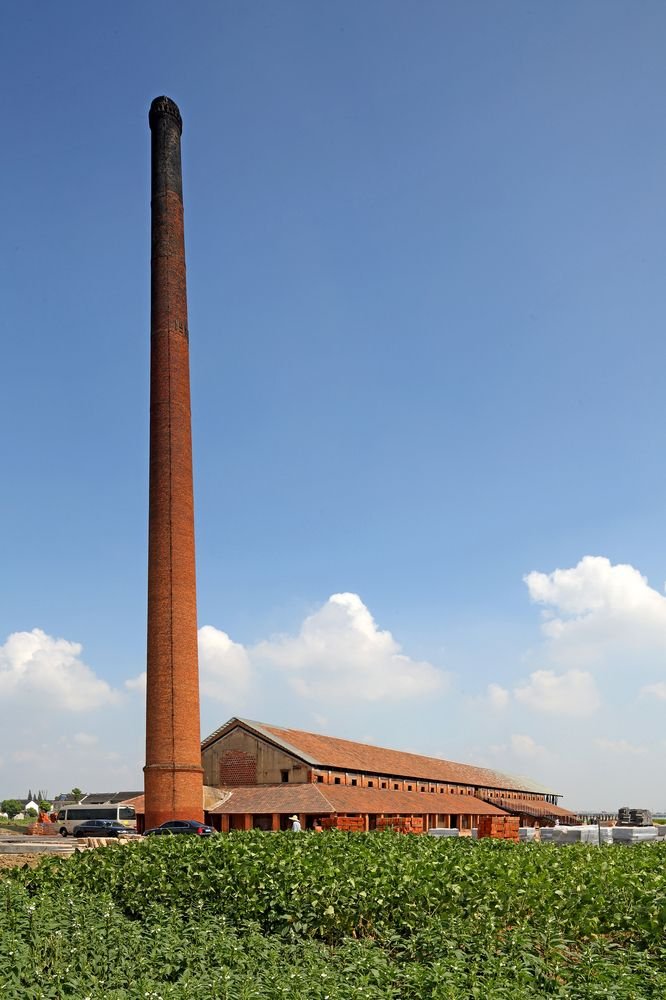
The brick kiln collapse in Tripura has shocked the region, leaving four workers dead and several others injured in Dhalai district. The tragic incident occurred when a newly constructed chimney at a brick kiln in Kamalpur suddenly crumbled, trapping workers beneath heavy debris. This devastating event has raised urgent concerns about industrial safety, construction standards, and regulatory oversight in Tripura.
A Deadly Collapse That Shook the Region
The incident occurred on a Wednesday afternoon when the newly constructed chimney suddenly gave way, trapping workers beneath the debris. Three laborers died instantly at the site, while a fourth succumbed to injuries at a nearby hospital. The injured workers were rushed to medical facilities, where some remain in critical condition.
Emergency teams, including the Fire and Emergency Services and the State Disaster Response Force (SDRF), responded swiftly to rescue survivors and recover the bodies. Local residents also joined the rescue efforts, highlighting the community’s solidarity in the face of tragedy.
What Caused the Collapse? Investigation Underway
Authorities have launched a full-scale investigation to determine the cause of the collapse. Early reports suggest that the chimney was recently built, raising concerns about:
- Structural integrity
- Quality of construction materials
- Compliance with safety regulations
- Possible negligence by kiln operators
Officials are examining whether the kiln followed mandatory safety protocols and whether the construction met approved standards. The district administration has also indicated that safety inspections across other kilns in the region may be intensified to prevent similar incidents.
A Look at the Brick Kiln Industry in Tripura
Brick kilns are a major source of employment in rural Tripura, but the sector has long been criticized for:
- Poor working conditions
- Lack of safety equipment
- Unregulated construction practices
- Minimal oversight from authorities
This tragedy underscores the urgent need for reforms. According to labor rights groups, many kilns operate with outdated infrastructure, making them vulnerable to accidents—especially during peak production seasons.
For context on brick kiln safety standards in India, readers can refer to guidelines published by the National Disaster Management Authority (NDMA) and the Ministry of Labour & Employment (external link suggestion).
Voices From the Ground
Local residents and workers expressed grief and frustration following the incident. Many claim that the kiln had been operating without adequate safety checks. Families of the victims are demanding accountability and compensation.
A senior district official stated that the administration is committed to supporting the affected families and ensuring a transparent investigation. Compensation packages are expected to be announced soon.
Why This Tragedy Matters
Industrial accidents like this are not isolated events—they reflect systemic issues that require immediate attention. The Tripura brick kiln collapse highlights:
- The vulnerability of daily wage laborers
- The need for stronger enforcement of safety laws
- The importance of regular inspections
- The consequences of ignoring construction standards
With four lives lost and several families shattered, the incident serves as a grim reminder of the human cost of negligence.
Government and Public Response
The state government has expressed condolences and assured strict action against those found responsible. Safety audits across brick kilns in Dhalai district are expected to begin soon.
Public outrage is growing, with many calling for:
- Mandatory safety training for workers
- Licensing reforms for kiln operators
- Periodic structural inspections
- Harsher penalties for violations
Local NGOs and labor unions are urging authorities to prioritize worker welfare and enforce compliance across the industry.
Demand Safer Workplaces
This tragedy should not fade into another forgotten headline. Every life lost is a reminder that safety cannot be optional. Communities, policymakers, and industry leaders must work together to ensure:
- Safer working environments
- Stronger regulations
- Accountability for negligence
- Protection for vulnerable laborers
If you believe in safer workplaces and stronger labor rights, share this story and raise awareness. Change begins with informed voices.
READ MORE: Surakshit Shishov Sonali Assam campaign launched