


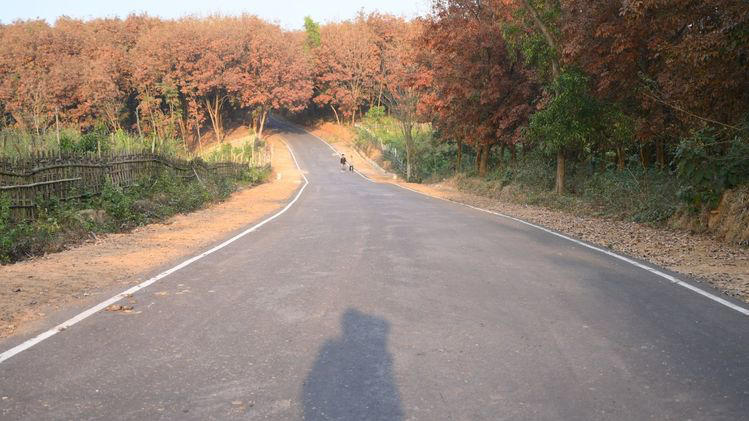
The Central Government has approved road projects worth Rs 211.71 crore for Tripura under the fourth phase of the Pradhan Mantri Gram Sadak Yojana (PMGSY-IV), providing a significant boost to rural connectivity and infrastructure development in the northeastern state. The approval marks another important step in the government’s efforts to strengthen transportation networks and improve access to remote and underserved areas.
Officials said the sanctioned projects will focus on enhancing road connectivity in rural regions, ensuring smoother transportation and better access to essential services. The initiative is expected to benefit thousands of residents by improving links between villages and key economic, educational, and healthcare centers.
The approval also reflects the Centre’s continued commitment to accelerating infrastructure development in the Northeast and supporting inclusive growth through improved connectivity.
PMGSY-IV Aims to Transform Rural Infrastructure
The Pradhan Mantri Gram Sadak Yojana has played a crucial role in expanding rural road networks across India since its launch. Through successive phases, the scheme has connected thousands of villages and improved accessibility in remote regions.
PMGSY-IV focuses on strengthening existing rural road infrastructure while enhancing connectivity to important economic and social centers. The latest approval for Tripura aligns with the broader objective of ensuring that rural communities have access to reliable all-weather roads.
Officials believe that improved connectivity can transform rural economies by facilitating transportation, reducing travel time, and improving access to markets and services.
The scheme continues to serve as one of the government’s flagship initiatives for rural development and infrastructure expansion.
Road Projects to Improve Accessibility
The newly approved projects will improve accessibility in several parts of Tripura where transportation challenges continue to affect daily life. Many rural communities rely heavily on road networks for access to education, healthcare, government services, and economic opportunities.
Improved roads will make travel safer and more convenient for residents. Furthermore, better connectivity can support the efficient movement of goods and services, thereby strengthening local economies.
Officials noted that enhanced transportation infrastructure can help bridge developmental gaps between urban and rural areas. As a result, communities in remote locations can benefit from greater integration with regional growth centers.
The projects are expected to contribute significantly to improving mobility and quality of life across the state.
Strengthening Economic Development
Road infrastructure plays a vital role in economic development. Better roads reduce transportation costs, improve market access, and encourage investment in rural areas. Consequently, the newly approved projects are expected to generate positive economic outcomes across Tripura.
Farmers, traders, and small businesses stand to benefit from improved transportation networks. Easier access to markets can help producers sell goods more efficiently and expand their customer base.
Additionally, better roads can attract private investment and stimulate economic activity in areas that previously faced connectivity constraints. Officials believe that infrastructure development remains a key driver of long-term economic growth.
The government views improved connectivity as an important foundation for sustainable development and prosperity.
Benefits for Agriculture and Rural Livelihoods
Agriculture remains a major source of livelihood for many families in Tripura. Therefore, road connectivity is essential for ensuring that farmers can transport produce quickly and efficiently.
Poor road conditions often increase transportation costs and reduce access to markets. However, upgraded roads can significantly improve supply chain efficiency and reduce post-harvest losses.
The approved projects are expected to support agricultural communities by improving access to input suppliers, storage facilities, and commercial markets. Furthermore, better transportation can enable farmers to diversify crops and explore new economic opportunities.
Officials believe that stronger rural infrastructure will contribute to higher incomes and improved living standards in farming communities.
Improved Access to Healthcare and Education
One of the most important benefits of rural road development is improved access to essential services. Reliable roads make it easier for residents to reach hospitals, health centers, schools, and colleges.
In many rural areas, transportation difficulties can delay access to medical care and educational opportunities. Therefore, improved road connectivity can have a direct impact on social development and public welfare.
Students will be able to travel more easily to educational institutions, while patients can access healthcare services without facing significant transportation challenges.
Officials emphasized that infrastructure development is not only an economic necessity but also a crucial factor in improving quality of life.
Employment Opportunities During Construction
The implementation of road projects under PMGSY-IV is also expected to create employment opportunities. Construction activities often generate jobs for local workers, contractors, suppliers, and service providers.
As work progresses, many people may find temporary employment through various stages of project execution. Moreover, the demand for construction materials and related services can stimulate local economic activity.
Beyond the construction phase, improved roads can support long-term job creation by attracting businesses and encouraging entrepreneurship in rural areas.
The government expects the projects to contribute to both immediate and long-term economic benefits.
Northeast Infrastructure Development Remains a Priority
The approval of these projects highlights the Centre’s continued focus on infrastructure development in Northeast India. Over the past several years, the region has witnessed significant investments in roads, railways, airports, bridges, and digital connectivity.
The government has consistently emphasized the importance of improving connectivity to unlock the region’s economic potential and strengthen integration with national markets.
Tripura has benefited from several infrastructure initiatives aimed at improving transportation and supporting development. The latest PMGSY-IV projects build on these efforts and further reinforce the state’s growth trajectory.
Officials believe that sustained investments in infrastructure will help accelerate development across the Northeast.
Focus on Timely Implementation
While the approval of the projects marks an important milestone, authorities have stressed the importance of timely implementation. Effective project management and close monitoring will be essential to ensure that the benefits reach communities without unnecessary delays.
Officials are expected to coordinate with relevant departments and local authorities to facilitate smooth execution. Regular reviews and progress assessments will help identify and address challenges during implementation.
The government has repeatedly emphasized the need for quality construction and adherence to established standards. Timely completion will allow residents to benefit from improved connectivity at the earliest.
Efficient execution remains critical for maximizing the impact of infrastructure investments.
Looking Ahead
The Centre’s approval of Rs 211.71 crore worth of road projects under PMGSY-IV marks a significant step forward for Tripura’s rural infrastructure development. By improving connectivity, the initiative aims to support economic growth, strengthen agricultural livelihoods, and enhance access to essential services.
The projects will help connect communities, improve transportation efficiency, and create opportunities for development across rural areas. Moreover, they align with broader national efforts to build resilient infrastructure and promote inclusive growth.
As implementation moves forward, residents, businesses, and local communities are expected to benefit from stronger transportation networks and improved accessibility. The investment underscores the government’s commitment to ensuring that development reaches every corner of the state.
With better roads and enhanced connectivity, Tripura is poised to strengthen its development prospects and create new opportunities for growth, prosperity, and social progress in the years ahead.
Read More: Assam Government Enhances Ties with UK Ahead of Free Trade Agreement