


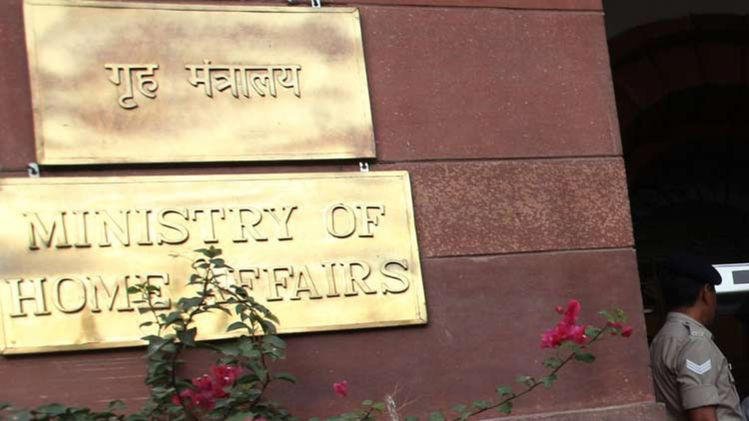
The Centre has invited the United Naga Council (UNC) to New Delhi for talks on border fencing and the Free Movement Regime (FMR). The meeting, scheduled for later this week, is expected to address pressing concerns related to Manipur’s border security and community mobility across the Indo-Myanmar border.
This dialogue comes after repeated calls from the UNC and other Naga organizations to hold direct consultations with central leaders. They believe that the issues of fencing and restrictions on movement directly affect Naga communities living along the international border. The Centre, in turn, views these consultations as critical to ensure clarity, cooperation, and peaceful solutions.
Read More: Police Nab Drug Peddler With Cannabis Worth Rs 8 Lakh
Border fencing concerns
The plan to construct fencing along the Manipur-Myanmar border has drawn strong reactions. While the Centre insists that fencing will help prevent cross-border crimes, arms trafficking, and illegal migration, the UNC argues that such a move will divide Naga villages. Many of these villages are spread across the border, and the council fears that the fence will disrupt family ties, cultural practices, and even local economies.
The UNC has also said that any fencing decision should involve consultation with local stakeholders. They believe the government must respect both the security needs of the nation and the traditional rights of border communities. The Delhi meeting is expected to focus heavily on these issues, with the aim of finding middle ground.
Free Movement Regime debate
Alongside fencing, the Free Movement Regime has become another point of contention. The FMR allows people living within 16 kilometers of the Indo-Myanmar border to travel across without a visa for up to 72 hours. This policy has long been used by border communities to maintain cultural ties and trade links.
However, the Centre has grown concerned that insurgent groups and smugglers exploit this arrangement. In response, the government has signaled its intent to either review or restrict the FMR. The UNC, on the other hand, sees the regime as a lifeline for communities divided by the international boundary. They argue that ending or restricting it would isolate families and weaken traditional connections.
Why dialogue matters
The invitation to the UNC marks a crucial step in bridging differences. Both the Centre and the council recognize the sensitivity of these issues. For the Centre, the priority is national security. For the UNC, the goal is protecting the cultural and social identity of Naga groups.
Dialogue offers a path where these concerns can coexist. Experts note that without consultation, any unilateral decision could lead to more tension in Manipur, which is already facing ethnic and political challenges. A negotiated solution, by contrast, may build trust and strengthen stability.
Wider implications
The talks also have broader regional implications. Manipur’s border shares deep ties with Myanmar, and developments here often influence India-Myanmar relations. Striking a balance between security and mobility could become a model for managing other sensitive borders in the region.
Moreover, the Centre hopes that engaging directly with the UNC will encourage more cooperation in peacebuilding. The Naga issue remains one of India’s longest-running challenges, and maintaining dialogue with key stakeholders is seen as vital.
Voices from the ground
Local communities have voiced mixed reactions. Some residents feel that fencing is necessary to curb smuggling and insurgency. They point to increasing drug trafficking through the Indo-Myanmar border as a major concern. Others, however, stress that fencing will cut through their farmlands and disconnect families.
In the case of the FMR, border residents strongly favor retaining the policy. They argue that it is not just about convenience but about identity. For them, crossing the border to meet relatives or attend festivals is part of everyday life. Removing this system would deeply affect their way of living.
Challenges ahead
Despite the upcoming meeting, challenges remain. The Centre must weigh security imperatives against community concerns, while the UNC must present alternatives that balance tradition with modern realities. Both sides also face pressure from other groups, including state authorities and civil society, who have their own perspectives.
Negotiating a way forward will require patience and compromise. Analysts believe that solutions could include selective fencing in high-risk zones while maintaining open access in traditional areas, coupled with stricter monitoring of cross-border movement. Such measures, if agreed upon, might satisfy both security and cultural needs.
Looking forward
The Centre-UNC talks in Delhi represent an important opportunity. If successful, they could reduce mistrust and set a precedent for resolving similar disputes. Both sides appear committed to listening and finding solutions, though the process may not be quick.
For now, the border communities watch closely, hoping that their voices will be heard. For them, the outcome will shape not only security policies but also their daily lives. The talks carry the potential to define how India manages the delicate balance between safeguarding its frontiers and preserving cultural continuity.
As the meeting unfolds, the spotlight will remain on New Delhi. Whether it results in agreements or sets the stage for further dialogue, the Centre-UNC talks mark a step forward in addressing one of the most complex issues in Manipur today.
Read More: 6 Health Benefits of Amla Juice and Daily Use Tips