


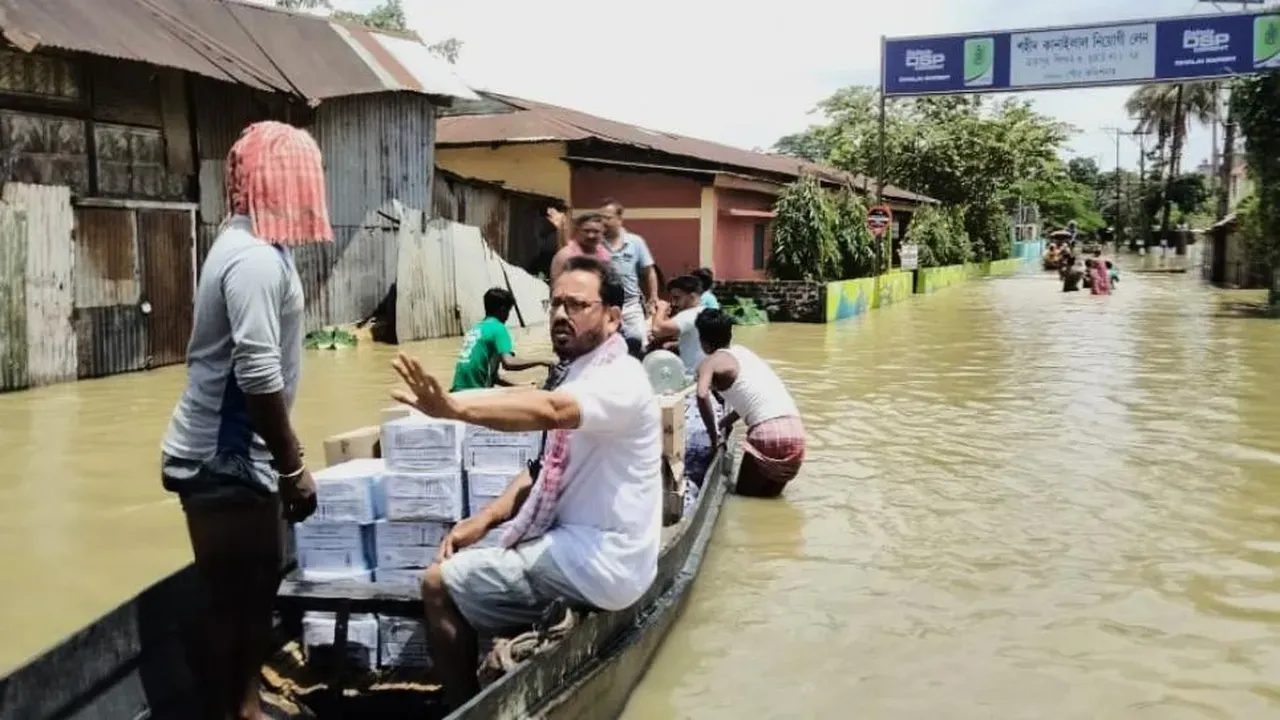
Assam’s flood crisis has intensified after Charaideo reportedly recorded 21 fatalities, contributing to the state’s overall flood-related death toll of 95. The figures have highlighted the severe impact of flooding on communities while increasing pressure on authorities to strengthen rescue operations, relief distribution, and emergency preparedness.
The reported deaths have also brought renewed attention to conditions in affected districts, where families face displacement, damaged homes, disrupted transportation, and agricultural losses. Moreover, authorities must continue assessing casualties and providing support to households affected by the disaster.
However, casualty figures can change as officials verify individual cases and conduct further assessments. The immediate priority remains protecting residents, maintaining relief operations, and supporting communities through the recovery process.
Cabinet Approves ₹8,970 Crore Guwahati Tezpur Four-Lane Highway
Charaideo Emerges as Majorly Affected District
The reported 21 fatalities in Charaideo have placed the district at the centre of Assam’s flood response.
Local authorities face the challenge of assisting affected families while managing rescue and relief operations. Furthermore, officials must monitor vulnerable areas and respond quickly when rising water levels threaten additional communities.
The reported casualty figure demonstrates the severity of the situation.
However, authorities must verify individual deaths before finalising official records.
Assam Flood Toll Reaches 95
The statewide toll of 95 reflects the widespread impact of the flooding.
Floodwaters can create risks through drowning, accidents, damaged infrastructure, and difficult evacuation conditions. Additionally, prolonged flooding can isolate communities and disrupt access to hospitals and emergency services.
The rising toll has consequently increased pressure on disaster-management agencies.
However, officials may revise casualty figures as assessments continue across affected districts.
Families Face Severe Displacement
Flood-affected families often have to leave their homes when water levels rise.
Residents may move to relief camps, higher ground, or temporary shelters. Moreover, families can lose household belongings, documents, livestock, and sources of income during prolonged flooding.
Displacement therefore creates challenges that extend beyond the immediate emergency.
However, the needs of affected households can vary depending on the severity of damage and length of displacement.
Relief Camps Remain Essential
Relief camps provide temporary support for residents who cannot safely return home.
Authorities need to ensure sufficient food, drinking water, sanitation facilities, medicines, and shelter. Furthermore, officials must monitor camp populations and identify vulnerable residents requiring additional assistance.
Effective camp management can reduce hardship.
However, relief requirements can increase quickly when additional communities require evacuation.
Rescue Operations Face Difficult Conditions
Floodwaters can make rescue operations challenging.
Submerged roads, strong currents, damaged bridges, and isolated settlements can delay emergency teams. Additionally, rescue personnel may need boats and other specialised equipment to reach affected communities.
Coordination therefore remains essential.
However, rescue operations must balance speed with the safety of emergency personnel and residents.
Agriculture Suffers Major Losses
Flooding can cause extensive damage to agricultural communities.
Farmers may lose standing crops, livestock, agricultural equipment, and access to farmland. Moreover, prolonged waterlogging can delay future cultivation and increase recovery costs.
These losses can create long-term financial pressure.
However, officials need detailed assessments before determining the full extent of agricultural damage.
Roads and Bridges Face Disruption
Flooding can severely affect transportation networks.
Damaged or submerged roads can isolate villages and delay the movement of rescue teams and relief supplies. Furthermore, disrupted connectivity can make it difficult for residents to reach medical facilities.
Infrastructure restoration will therefore become important during recovery.
However, repair work may begin only after water levels fall and conditions become safe.
Healthcare Needs Increase
Flood emergencies can place additional pressure on healthcare services.
Affected communities may require emergency treatment, medicines, medical teams, and access to hospitals. Additionally, authorities must monitor risks linked to contaminated water and poor sanitation.
Relief camps may require regular medical support.
However, healthcare needs can change rapidly as the flood situation develops.
Drinking Water and Sanitation Matter
Floodwaters can contaminate local water sources and disrupt sanitation facilities.
Authorities need to provide safe drinking water and maintain functioning toilets in relief centres. Moreover, proper waste management can help reduce public-health risks during prolonged displacement.
These services remain essential even after rescue operations slow down.
However, supply challenges can increase when transportation routes remain flooded.
Political Pressure Grows
The rising casualty figure has intensified political scrutiny of Assam’s flood management.
Opposition parties and local representatives can question preparedness, relief distribution, infrastructure maintenance, and compensation. Furthermore, they may highlight concerns raised by affected communities.
Such scrutiny can increase pressure on authorities.
However, political criticism does not automatically establish administrative failure.
Government Response Under Review
Government agencies can point to rescue operations, relief camps, emergency supplies, and coordination with disaster-response teams.
Officials must also maintain accurate information about casualties and displaced residents. Additionally, authorities need to adjust relief operations as floodwaters change.
Effective coordination can help address urgent needs.
However, residents may continue to raise concerns when they experience shortages or delays.
Communication Becomes Critical
Timely information can help residents make safer decisions during flooding.
Authorities need to communicate evacuation warnings, shelter locations, road conditions, and relief arrangements clearly. Moreover, reliable communication channels can help families report urgent needs.
Accurate information can reduce confusion.
However, residents should rely on verified government updates during rapidly changing conditions.
Compensation and Rehabilitation Ahead
Families affected by fatalities and property damage may require assistance after the emergency.
Authorities can assess damage to homes, crops, livestock, and other assets before determining eligible compensation. Furthermore, displaced families may need support to rebuild homes and restore livelihoods.
Recovery can therefore continue for months after floodwaters recede.
However, assistance depends on official assessments and applicable relief guidelines.
Long-Term Flood Preparedness Under Focus
The disaster has renewed attention on Assam’s long-standing flood-management challenges.
Authorities may need to review embankments, drainage systems, early-warning networks, evacuation plans, and emergency shelters. Moreover, lessons from the current crisis could inform future disaster-preparedness strategies.
Long-term resilience can reduce the impact of future floods.
However, major improvements require sustained investment and coordination.
Charaideo’s Recovery Will Take Time
The reported fatalities have highlighted the scale of the challenge facing Charaideo.
Families may need immediate financial and emotional support while communities repair damaged infrastructure and restore livelihoods. Additionally, local authorities may need to coordinate rehabilitation across villages affected by flooding.
Recovery will therefore extend beyond emergency relief.
However, the pace of recovery will depend on flood conditions and the extent of damage.
Conclusion
The 21 reported fatalities in Charaideo have highlighted the severity of Assam’s flood crisis as the state’s reported death toll reaches 95. The disaster has disrupted communities, damaged infrastructure, affected agriculture, and forced families to seek temporary shelter.
Moreover, authorities face the immediate challenge of maintaining rescue operations and relief services while preparing for the recovery phase. At the same time, political scrutiny is likely to continue as residents and opposition leaders assess disaster preparedness, evacuation measures, compensation, and infrastructure resilience.
Overall, the Charaideo figures underline the human cost of Assam’s flooding. Accurate casualty assessments, timely relief, transparent communication, and sustained rehabilitation will remain essential as authorities work to support affected communities.
FAQs
1. How many fatalities has Charaideo reportedly recorded?
Charaideo has reportedly recorded 21 flood-related fatalities in the figures referenced in this report.
2. What is Assam’s reported flood death toll?
The reported statewide flood-related death toll has reached 95.
3. Why is Charaideo receiving attention?
The reported 21 fatalities make Charaideo one of the districts facing significant human losses during the flood crisis.
4. What are the immediate priorities for affected communities?
Key priorities include rescue operations, safe shelter, food, drinking water, healthcare, sanitation, and assistance for displaced families.
5. What will happen after the flood emergency?
Authorities will need to assess damage, provide eligible compensation, restore infrastructure, and support affected households as they rebuild their livelihoods.