


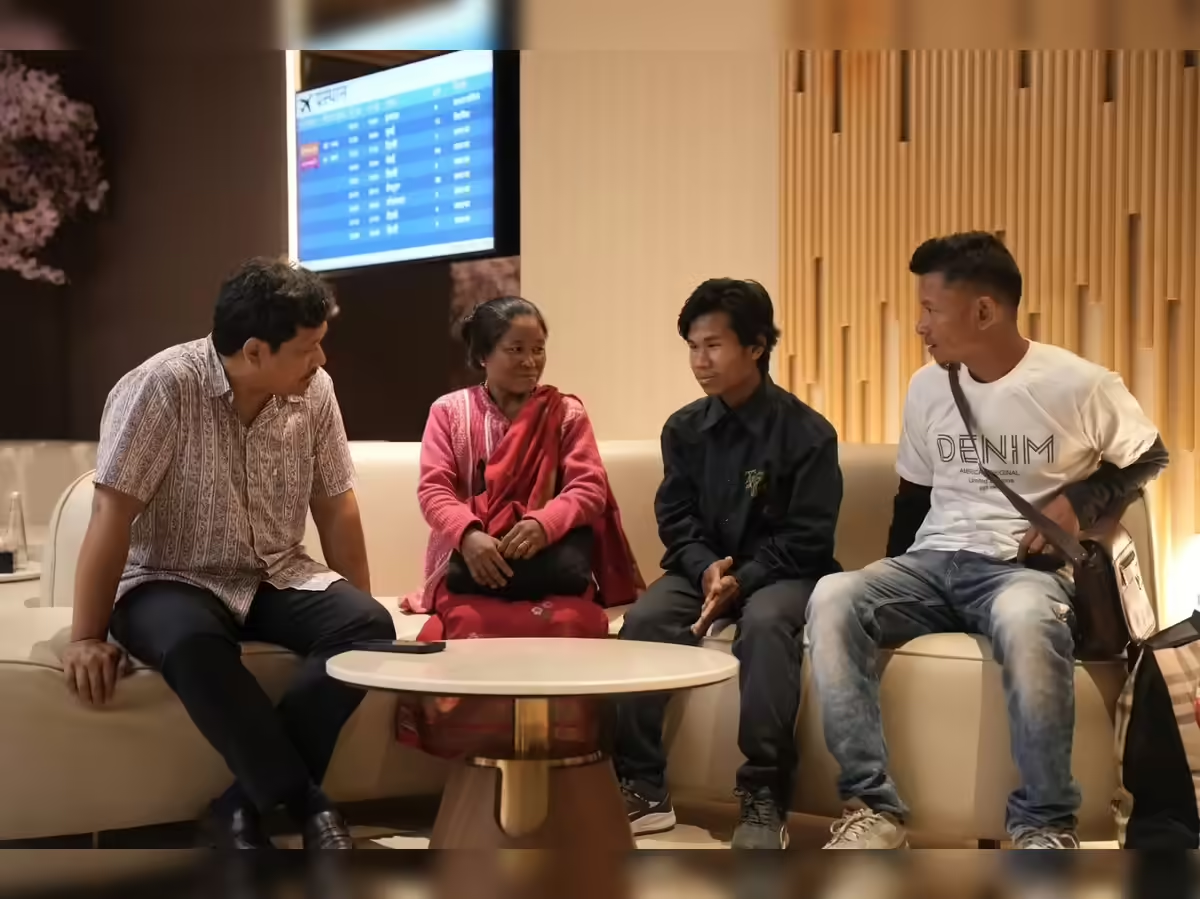
The CM helpline rescue Meghalaya youth case highlights a successful intervention after a 16-year-old boy from Meghalaya, who had been trafficked to Srinagar, was rescued through the 1971 CM Connect Helpline. The CM helpline rescue Meghalaya youth operation ensured the minor, who was subjected to forced unpaid labour and physical abuse, was safely brought back and reunited with his family. Additionally, the case underscores the importance of rapid-response grievance systems in addressing human trafficking incidents. Meanwhile, authorities coordinated across states to secure the rescue.
Assam development roadmap New Delhi Sitharaman meeting
Assam woman Everest summit historic achievement
Trafficking Case and Abuse Details
The helpline rescue Meghalaya youth case involved the trafficking of a minor from Meghalaya to Srinagar under deceptive circumstances. The helpline rescue Meghalaya youth operation revealed that the victim was forced into unpaid labour and faced physical abuse during captivity. Additionally, the situation came to light after distress signals were reported through the CM Connect Helpline. Furthermore, timely reporting played a crucial role in triggering the rescue response. Consequently, immediate coordination efforts were initiated by concerned authorities.
Role of CM Connect Helpline
The helpline rescue Meghalaya youth operation demonstrates the effectiveness of the 1971 CM Connect Helpline system. The CM helpline rescue Meghalaya youth initiative enabled quick escalation of the complaint to relevant authorities. Additionally, the helpline acted as a direct communication channel between citizens and administrative responders. Meanwhile, officials ensured coordination with law enforcement agencies in both states. Moreover, the system helped accelerate the verification and rescue process.
Multi-State Coordination for Rescue
The helpline rescue Meghalaya youth case required coordinated action between Meghalaya authorities and law enforcement agencies in Srinagar. The CM helpline rescue Meghalaya youth operation involved cross-jurisdictional cooperation to trace and locate the victim. Additionally, rescue teams worked to ensure safe extraction from the place of exploitation. However, such operations often require careful planning due to interstate legal procedures. Furthermore, collaboration between agencies ensured the successful recovery of the minor.
Rehabilitation and Family Reunification
The helpline rescue Meghalaya youth case concluded with the safe return of the victim to his family. The CM helpline rescue Meghalaya youth operation included steps for psychological support and post-rescue care. Additionally, authorities ensured that the minor received necessary assistance after traumatic exposure. Meanwhile, family members were provided guidance on further legal recourse. Moreover, rehabilitation measures are expected to continue under child protection frameworks.
Significance of Rapid Response Systems
The helpline rescue Meghalaya youth case underscores the importance of helpline-based governance systems in emergencies. The CM helpline rescue Meghalaya youth operation demonstrates how quick reporting mechanisms can save lives in trafficking situations. Additionally, it highlights the need for awareness about citizen support systems. However, experts emphasize strengthening preventive measures alongside rescue mechanisms. Furthermore, such systems play a vital role in ensuring child protection and public safety.
Conclusion
The helpline rescue Meghalaya youth case represents a successful intervention against human trafficking and child exploitation. The CM helpline rescue Meghalaya youth operation ensured timely rescue, inter-state coordination, and safe reunification with family. Additionally, it highlights the effectiveness of the CM Connect Helpline in emergency response situations. As a result, the case reinforces the importance of rapid grievance redressal systems in protecting vulnerable individuals.