


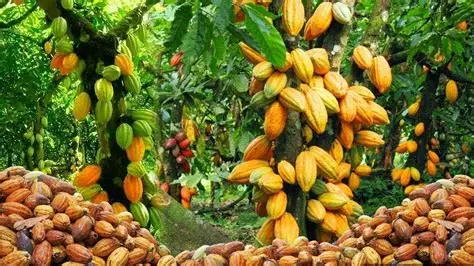
The National Cocoa Conclave held in Jorhat, Assam, has sparked renewed optimism about the future of cocoa cultivation in Northeast India. Organized with the participation of experts, government officials, and stakeholders, the event highlighted the region’s potential to become a significant contributor to India’s cocoa industry. The conclave also emphasized the growing demand for cocoa-based products and how the Northeast, with its fertile soil and climatic conditions, could emerge as a hub for sustainable cocoa farming.
Read More: Arunachal Pradesh Trade Union Federation Strike of Workers
Cocoa cultivation and its scope in Northeast India
Cocoa, often associated with chocolates and confectionery products, is a high-value crop with increasing market demand. Traditionally, India has relied heavily on cocoa imports to meet domestic requirements, but the government and agricultural experts see a strong opportunity in boosting local cultivation.
The conclave in Jorhat highlighted that the Northeast, particularly Assam and neighboring states, offers a favorable environment for cocoa farming. With its tropical climate, ample rainfall, and fertile land, the region could support large-scale cultivation. Additionally, integrating cocoa with existing crops like arecanut, coconut, and spices could help farmers diversify income sources while maintaining sustainable farming practices.
Experts highlight challenges and opportunities
During the event, agricultural scientists and trade representatives discussed both challenges and opportunities in cocoa farming. One of the key concerns raised was the lack of awareness among farmers about cocoa’s profitability. Many small-scale cultivators remain dependent on traditional crops like tea, rice, and arecanut. Experts argued that introducing cocoa as an intercrop could significantly boost their earnings.
Another challenge lies in the absence of a robust supply chain. Since cocoa requires post-harvest processing, including fermentation and drying, farmers need access to training, infrastructure, and support systems. The conclave urged policymakers to establish collection centers and provide incentives to set up small-scale processing units in villages.
On the brighter side, the event highlighted how rising demand for chocolates, bakery products, and cocoa-based beverages has created vast opportunities. India’s confectionery market is expanding rapidly, and local production can reduce dependency on imports, making cocoa a profitable crop for farmers in the Northeast.
Government support and policy push
The conclave emphasized that government intervention is crucial for scaling up cocoa cultivation in the Northeast. Officials from the agriculture ministry assured participants that policies are being framed to encourage diversification of crops and promote high-value farming.
They stressed that the government has already initiated pilot projects in certain states to test cocoa’s viability. If successful, these projects will be expanded across the region. Moreover, farmers will be trained under agricultural extension programs to improve knowledge about cultivation techniques, disease management, and marketing strategies.
The Assam government, in particular, expressed its readiness to provide technical support and collaborate with agricultural universities. The authorities also highlighted that linking cocoa farming with rural livelihood missions could create sustainable income opportunities for thousands of small farmers.
Farmers’ response and future outlook
Farmers who attended the conclave showed keen interest in exploring cocoa cultivation as a potential income source. Several progressive farmers shared their experiences of experimenting with cocoa alongside crops like arecanut and coconut. They pointed out that while initial investment and training are necessary, the returns from cocoa can be significant in the long run.
Agricultural experts also highlighted that introducing cocoa in the Northeast could help conserve biodiversity. Since cocoa can be grown under shade, it supports agroforestry systems and reduces the need for monoculture farming. This approach not only boosts farmers’ income but also maintains ecological balance.
Cocoa as a driver of economic growth in the Northeast
The conclave underlined that cocoa cultivation could become a driver of economic growth in the Northeast by generating employment, encouraging entrepreneurship, and enhancing exports. By linking farmers with processing industries, the region could establish a value chain that benefits both cultivators and manufacturers.
Furthermore, experts discussed the potential of promoting cocoa-based cottage industries in rural areas. By producing chocolates, beverages, and snacks locally, communities can add value to raw cocoa and tap into emerging consumer trends. Women’s self-help groups and rural cooperatives were encouraged to participate in such initiatives.
Industry participation and private sector interest
The conclave also witnessed participation from representatives of the chocolate and confectionery industry. Companies expressed interest in sourcing raw cocoa directly from farmers in the Northeast if cultivation is scaled up. Industry leaders stressed that farmers would require proper guidance to maintain quality standards.
They also pointed out that collaboration between government agencies, farmers, and private companies could create a win-win situation. By providing assured buy-back facilities, companies can give farmers the confidence to adopt cocoa cultivation on a larger scale.
The National Cocoa Conclave in Jorhat has emerged as a turning point in the conversation about cocoa cultivation in Northeast India. By showcasing opportunities and addressing challenges, it has encouraged farmers, policymakers, and industry players to collaborate for a shared goal.
If implemented effectively, cocoa farming could transform the agricultural landscape of the Northeast, providing farmers with a sustainable and profitable crop. With growing demand for cocoa products in India and abroad, the region stands at the threshold of a new chapter in agricultural development.
Read More: Sikkim MP Warns of AI Job Impact, Calls for Opportunities