


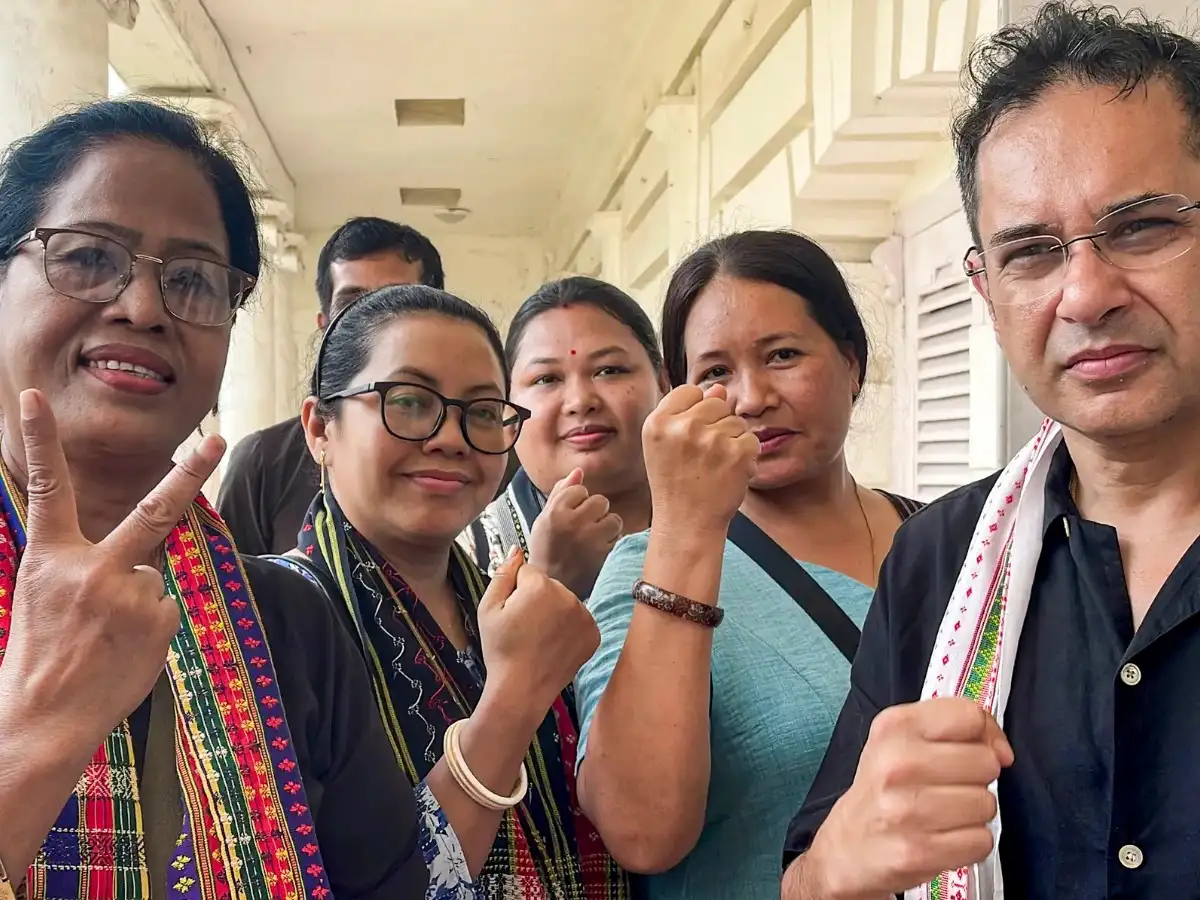
TIPRA Motha founder Pradyot Kishore Manikya Debbarma has intensified the political debate in Tripura by placing constitutional rights first in discussions over electoral cooperation with the ruling alliance. His position signals that political arrangements must address the party’s core demands before TIPRA Motha considers broader cooperation.
The statement comes as political activity increases ahead of the upcoming village elections in Tripura’s tribal areas. Moreover, Debbarma’s approach could influence negotiations over alliances, candidate selection, and campaign coordination.
TIPRA Motha has consistently focused on indigenous rights, constitutional safeguards, land protection, language, and political representation. However, the party’s position should be understood as a political negotiating stance rather than evidence that a formal alliance has already collapsed.
Tripura Election Commission Gears Up for Intense Voter Roll Upgrades
Pradyot Debbarma Puts Constitutional Rights First
Pradyot Debbarma has made constitutional safeguards a central condition in TIPRA Motha’s political strategy.
The party argues that electoral cooperation should follow concrete progress on issues affecting indigenous communities. Furthermore, Debbarma’s approach seeks to place long-term political and constitutional concerns ahead of short-term electoral calculations.
This position gives TIPRA Motha a clear framework for discussions with potential partners.
However, the specific terms required by the party will determine whether negotiations can produce an agreement.
TIPRA Motha Sets Conditions for Cooperation
TIPRA Motha has signalled that it will not easily compromise on its core political demands.
The party has emphasised indigenous rights, land safeguards, language protection, and greater political representation. Additionally, it has sought concrete commitments rather than relying only on verbal assurances.
Written guarantees could therefore become an important part of any future political arrangement.
However, constitutional matters can require processes that extend beyond the authority of a state-level political alliance.
Constitutional Rights Shape Tribal Politics
Constitutional safeguards remain central to political debates involving Tripura’s tribal communities.
Issues concerning representation, land, culture, and administration can involve provisions of the Constitution as well as state and autonomous council frameworks. Moreover, political parties can differ sharply over how existing safeguards should operate and whether additional protections are necessary.
TIPRA Motha has made these questions a defining part of its political identity.
However, complex constitutional questions require consideration of legal and institutional procedures.
Ruling Alliance Faces Political Pressure
Debbarma’s position could create additional pressure on parties within the ruling alliance.
If TIPRA Motha demands formal commitments before cooperating, potential partners may have to respond to specific policy questions. Furthermore, the party’s independent electoral strength can give it greater leverage during negotiations.
The ruling alliance may consequently need to balance broader coalition interests with demands from tribal political organisations.
However, the ultimate political impact will depend on negotiations and electoral arithmetic.
Land Protection Remains Key Demand
Land protection is another major element of TIPRA Motha’s political agenda.
For indigenous communities, land can directly affect livelihoods, cultural identity, and long-term community security. Moreover, land-related safeguards can become particularly important during discussions about development, settlement, and economic projects.
Debbarma’s emphasis on constitutional rights therefore connects closely with land protection.
However, land policy involves multiple legal and administrative authorities.
Language Safeguards Add Cultural Dimension
Language protection adds another dimension to the political debate.
Tribal languages play an important role in cultural identity and community life. Additionally, questions involving education, public administration, and cultural preservation can influence how effectively indigenous languages survive across generations.
TIPRA Motha can use these concerns to strengthen its wider argument for stronger safeguards.
However, implementing language policies requires sustained administrative and educational support.
Village Elections Provide Immediate Test
The upcoming village elections will provide an important test of TIPRA Motha’s political strategy.
The party can use the contests to demonstrate its grassroots support without necessarily depending on a broader alliance. Furthermore, strong electoral performance could strengthen its negotiating position with larger political organisations.
The results could therefore influence future alliance calculations.
However, local elections often depend heavily on candidate credibility and village-specific issues.
Independent Strategy Gives TIPRA Motha Leverage
TIPRA Motha’s willingness to consider an independent electoral path gives the party another strategic option.
If negotiations do not satisfy its conditions, the party can focus on its own candidates and political agenda. Moreover, an independent campaign could allow TIPRA Motha to measure its support without the influence of alliance partners.
This strategy can strengthen its bargaining position if the party performs well.
However, contesting independently also creates risks if rival parties divide the same voter base.
Written Guarantees Could Become Crucial
The demand for written commitments could become one of the most important aspects of the negotiations.
Formal guarantees can clarify what political partners promise to support and provide a reference point for future accountability. Furthermore, written commitments can reduce disagreements over the interpretation of electoral understandings.
For TIPRA Motha, this approach reinforces its demand for concrete action.
However, written promises alone cannot guarantee implementation.
Political Alliance Calculations Become Complex
The ruling alliance must consider the electoral consequences of different political arrangements.
A broader alliance could reduce competition in some tribal areas, while an independent TIPRA Motha campaign could create multi-cornered contests. Additionally, seat-sharing negotiations could become more complicated if the party demands policy commitments before agreeing to electoral cooperation.
These calculations could influence campaign strategies on both sides.
However, voters may ultimately make decisions based on local issues and candidate performance.
Pradyot Debbarma Raises Stakes
Debbarma’s emphasis on constitutional rights raises the political stakes ahead of the village elections.
His position allows TIPRA Motha to frame the contest around long-term questions of indigenous protection rather than only local development. Moreover, the approach can reinforce the party’s distinct political identity.
The strategy could also influence how other parties respond to tribal concerns.
However, the effectiveness of the message will depend on how voters assess the party’s record and proposals.
September Polls Could Define Next Phase
The upcoming elections could determine the direction of Tripura’s tribal politics in the near term.
A strong TIPRA Motha performance could strengthen Debbarma’s negotiating position and encourage the party to maintain its independent approach. Conversely, weaker results could lead to renewed discussions about alliances and electoral coordination.
The outcome could therefore influence political calculations beyond the village level.
However, election results alone will not resolve the broader constitutional questions raised by the party.
Conclusion
Pradyot Debbarma’s constitutional rights first position has added a new dimension to political negotiations ahead of Tripura’s village elections. TIPRA Motha is seeking concrete commitments on issues involving indigenous rights, land protection, language, representation, and constitutional safeguards before considering broader electoral cooperation.
Moreover, the strategy could increase the party’s bargaining power if it demonstrates strong grassroots support. However, the position should be viewed as a political negotiating stance rather than proof of an immediate breakdown within the ruling alliance.
Overall, the upcoming elections will test whether TIPRA Motha can convert its constitutional-rights agenda into electoral support. The results could determine how much leverage the party holds in future alliance negotiations and shape the next phase of Tripura’s tribal politics.
FAQs
1. What does Pradyot Debbarma mean by constitutional rights first?
The position means TIPRA Motha wants progress on core constitutional and indigenous-rights demands before prioritising electoral cooperation.
2. What are TIPRA Motha’s major concerns?
The party has highlighted indigenous rights, land protection, language safeguards, political representation, and constitutional protections.
3. Could this position affect the ruling alliance?
Yes. TIPRA Motha’s conditions could complicate alliance negotiations and influence seat-sharing and campaign strategies.
4. Will TIPRA Motha contest independently?
The party’s independent approach keeps that option open, particularly if potential partners do not meet its conditions.
5. Why are the village elections important?
The elections can test TIPRA Motha’s grassroots strength and potentially determine its bargaining position in future political negotiations.