


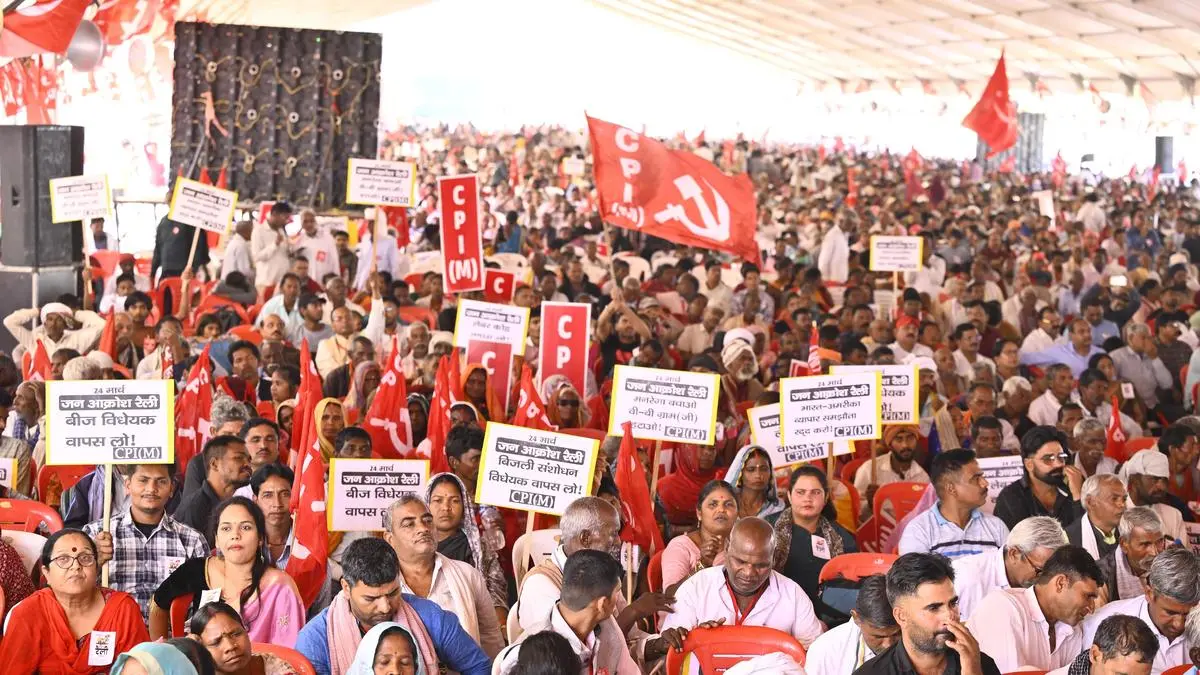
The CPI(M) accuses identity politics debate gained momentum after Left leaders asserted that divisive identity-based politics have significantly harmed the secular and inclusive political traditions of the northeastern hill states. Moreover, the party leadership argued that increasing polarization has affected social harmony and altered the region’s long-standing culture of coexistence. Consequently, the remarks have added another dimension to the ongoing political discourse in the Northeast. Meanwhile, various political stakeholders continue to debate the impact of identity-based narratives on regional politics.
Double-Layer Frisking and Jammers Mandatory for Assam NEET-UG Retest Candidates
NEET UG Security Oversight Strengthened
CPI(M) Accuses Identity Politics of Deepening Divisions
The CPI(M) accuses identity politics position was articulated by senior Left leaders while discussing political developments in the northeastern hills. Moreover, they expressed concern that divisive approaches have weakened the spirit of secularism and social unity.
Political parties often interpret social and electoral changes through different ideological perspectives. Furthermore, issues relating to identity and representation have remained central to politics in many regions. As a result, debates concerning their impact continue to attract public attention.
According to the Left leadership, excessive emphasis on identity-based mobilization has affected traditional values of coexistence and inclusiveness. Additionally, they argued that such trends have contributed to increasing divisions among communities. Therefore, the issue has emerged as a major point of concern for the party.
Meanwhile, discussions on social harmony and political representation continue across the region. Similarly, various stakeholders are examining the long-term implications of changing political narratives. Hence, the debate remains relevant to the Northeast’s evolving political landscape.
Although political perspectives differ, democratic institutions encourage dialogue and peaceful engagement. Nevertheless, preserving social cohesion remains important.
Left Leadership Raises Concerns Over Secular Political Traditions
The CPI(M) accuses identity politics statement also highlighted concerns regarding the secular foundations of politics in the northeastern hills. Moreover, party leaders stressed the importance of maintaining inclusive and democratic traditions.
Secular values and coexistence have historically played an important role in shaping social and political life in the region. Furthermore, diversity has often been viewed as one of the Northeast’s strengths. Consequently, preserving these traditions remains a significant concern for many stakeholders.
The Left leadership argued that divisive narratives could undermine social harmony and weaken democratic values. Additionally, they emphasized the importance of promoting unity and mutual understanding. Therefore, their remarks have contributed to broader discussions on regional politics.
Meanwhile, political parties continue to present differing visions regarding governance and representation. Similarly, debates over identity and inclusiveness remain prominent in public discourse. Hence, issues relating to social cohesion are expected to remain significant.
Although competing ideologies exist, democratic participation provides space for constructive debate. Nevertheless, maintaining communal harmony remains essential.
CPI(M) Accuses Identity Politics Amid Changing Political Dynamics
The CPI(M) accuses identity politics remarks come at a time when political landscapes across the Northeast are undergoing transformation. Moreover, regional and national parties continue to compete for influence in diverse social settings.
Political dynamics in the northeastern hills have evolved considerably over the years. Furthermore, questions relating to identity, representation, and development continue to shape electoral strategies. As a result, ideological debates have become increasingly prominent.
The Left leadership’s observations reflect concerns regarding the direction of contemporary politics. Additionally, they underscore the importance of balancing representation with broader principles of secularism and inclusiveness. Therefore, the comments have attracted attention within political circles.
Meanwhile, parties across the region continue to adapt to changing voter preferences. Similarly, social and economic issues remain central to political discussions. Hence, debates over identity politics are likely to continue.
Although political competition remains intense, democratic institutions provide mechanisms for dialogue and participation. Nevertheless, respect for diversity remains fundamental.
Social Harmony and Inclusiveness Remain Key Themes
The CPI(M) accuses identity politics controversy underscores the importance of preserving social harmony and inclusive values. Moreover, political leaders often emphasize the need for peaceful coexistence among communities.
Inclusive governance and secular traditions contribute to social stability and democratic resilience. Furthermore, mutual understanding among communities strengthens trust and cooperation. Consequently, maintaining harmony remains a priority for many stakeholders.
The latest remarks by Left leaders highlight their concerns regarding the consequences of divisive narratives. Additionally, they have called for greater emphasis on unity and democratic values. Therefore, the issue continues to influence political discussions.
Meanwhile, citizens and political organizations remain engaged in debates surrounding representation and governance. Similarly, the Northeast’s diversity continues to shape public discourse. Hence, maintaining social cohesion remains a shared responsibility.
Although differing viewpoints are inevitable, constructive engagement helps strengthen democratic institutions. Nevertheless, preserving inclusive traditions will continue to be important.
Conclusion
The CPI(M) accuses identity politics issue has brought renewed attention to debates surrounding secularism and social harmony in the northeastern hills. Moreover, Left leaders have argued that divisive political approaches have weakened the region’s inclusive traditions. Consequently, their remarks have contributed to broader discussions on the future direction of regional politics.
The controversy also highlights the importance of balancing identity, representation, and democratic values. Furthermore, preserving social cohesion and promoting inclusiveness remain significant concerns in a diverse region like the Northeast. As a result, debates over political narratives are expected to continue.
Looking ahead, the CPI(M) accuses identity politics discussion is likely to remain a prominent issue in political discourse. Additionally, stakeholders are expected to continue emphasizing unity, coexistence, and democratic engagement. Therefore, maintaining social harmony and strengthening secular traditions will remain important priorities.
FAQs
1. What did CPI(M) say about identity politics?
CPI(M) leaders stated that divisive identity politics have damaged the secular political fabric of the northeastern hills.
2. Why did the Left leadership raise these concerns?
Moreover, the party expressed concerns that increasing polarization could weaken social harmony and democratic values.
3. Which region was referred to in the remarks?
The comments focused on the northeastern hill states. Consequently, the debate has become relevant to regional politics.
4. What values did the Left leadership emphasize?
The leadership emphasized secularism, inclusiveness, and peaceful coexistence. Furthermore, it called for preserving democratic traditions.
5. Why is the CPI(M) accuses identity politics issue significant?
The issue is significant because it highlights ongoing debates over social harmony, representation, and the future direction of politics in the Northeast.