


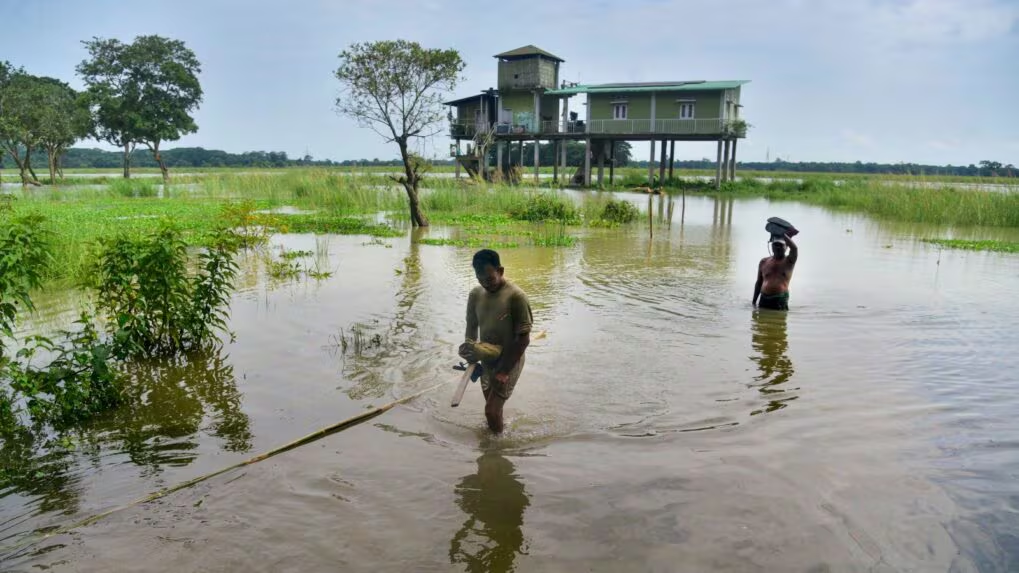
Dhemaji flash floods affected several villages on August 25 after sudden cloudbursts in neighbouring hills sent large volumes of water toward low-lying areas. The flooding occurred despite an overall rainfall deficit across the region. However, intense short-duration rainfall can still trigger sudden flooding in vulnerable locations. The incident has once again highlighted the need for close monitoring of hill runoff and river conditions in Dhemaji.
Imphal Arms Recovery: Joint Forces Seize 7 Automatic Weapons and 50 Rounds of Ammunition
Dhemaji Flash Floods Hit Villages After Hill Cloudbursts
Sudden cloudbursts in the neighbouring hills caused rapid water accumulation in parts of Dhemaji on August 25. The resulting flash flooding affected villages even though the wider region had experienced below-normal rainfall.
Unlike prolonged rainfall, a cloudburst can deliver a large amount of rain over a short period. Consequently, water can move quickly from elevated areas toward valleys, streams and low-lying settlements.
Dhemaji’s geographical setting makes the district particularly sensitive to changes in water flow. The district lies in the flood-prone Brahmaputra valley and receives runoff from surrounding hill areas.
Therefore, rainfall conditions across the wider region do not always indicate the immediate flood risk for individual villages. A localized extreme rainfall event can create serious flooding even during a broader dry spell.
Dhemaji Flash Floods Highlight Localized Weather Risks
The August 25 flooding demonstrates how localized weather events can produce significant impacts. While overall rainfall deficits may suggest relatively dry conditions, individual cloudbursts can quickly overwhelm natural drainage channels.
Moreover, water flowing down from nearby hills can reach villages rapidly. Residents may therefore have limited time to respond when sudden flooding begins.
Agricultural areas can also face temporary inundation when water spreads across low-lying land. Additionally, roads and local connectivity can become difficult when floodwater crosses important routes.
The incident consequently highlights the importance of localized weather monitoring. District-level authorities need to consider rainfall in neighbouring hills, not just rainfall recorded directly inside villages.
Early warnings can help communities prepare when intense rainfall develops upstream. Furthermore, residents can benefit from timely information about rising water levels and potentially dangerous routes.
Authorities Need Strong Local Flood Monitoring
Flash flooding requires a different preparedness approach from flooding caused by several days of continuous rain. Authorities need to monitor rainfall intensity, streams and runoff patterns so they can identify rapidly developing threats.
Meanwhile, local communities can contribute by reporting sudden increases in water levels or unusual flows. Such information can help officials assess conditions in areas where monitoring infrastructure remains limited.
Drainage systems also require regular attention, particularly before periods of intense rainfall. Blocked channels can slow the movement of water and increase flooding in settlements.
Additionally, authorities can identify historically vulnerable villages and prepare response plans before the monsoon season reaches its peak. These measures can improve the speed of local emergency responses.
Although the August 25 flooding resulted from localized cloudbursts, the event reinforces a broader lesson for Assam: rainfall deficits do not eliminate the possibility of sudden flooding.
Dhemaji Flash Floods Raise Monsoon Preparedness Concerns
The latest Dhemaji flash floods underline the unpredictable nature of monsoon rainfall. Extended dry conditions can occur alongside intense rainfall events in specific locations, creating a complex flood-risk pattern.
Moreover, climate and weather conditions can vary significantly across short distances. Therefore, residents cannot rely solely on district-wide rainfall figures when assessing immediate flood risks.
Continued coordination between weather agencies, district authorities and local communities can improve preparedness. Officials can share localized alerts, while residents can remain attentive to sudden changes in water levels and rainfall.
Long-term planning also remains important. Strengthening drainage networks, maintaining vulnerable roads and improving monitoring systems can help reduce the impact of sudden flooding.
The August 25 incident shows why Assam’s flood preparedness needs to account for both widespread rainfall and highly localized extreme events. For Dhemaji, monitoring runoff from neighbouring hills will remain particularly important during periods of unstable monsoon weather.
Conclusion
The Dhemaji flash floods on August 25 demonstrate how sudden cloudbursts can cause localized flooding even when overall rainfall remains below normal. Water flowing from neighbouring hills quickly affected villages and highlighted the district’s vulnerability to rapid runoff. Therefore, localized weather monitoring, early warnings, drainage maintenance and community preparedness will remain essential for reducing the impact of future flash floods.
FAQs
1. What caused the Dhemaji flash floods on August 25?
Sudden cloudbursts in neighbouring hills caused rapid runoff that led to localized flooding in Dhemaji villages.
2. How did flooding occur despite rainfall deficits?
Overall rainfall figures can remain below normal while individual locations experience extremely intense rainfall over a short period.
3. Why can cloudbursts cause flash floods?
Cloudbursts can release large amounts of rain within a short time, allowing water to accumulate and flow rapidly into lower areas.
4. Which areas face particular risks from hill runoff?
Villages and low-lying areas located near streams, drainage channels and routes receiving runoff from elevated terrain can face higher risks.
5. How can communities prepare for flash floods?
Residents can monitor official alerts, remain aware of nearby water channels and follow evacuation or safety instructions issued by local authorities.