


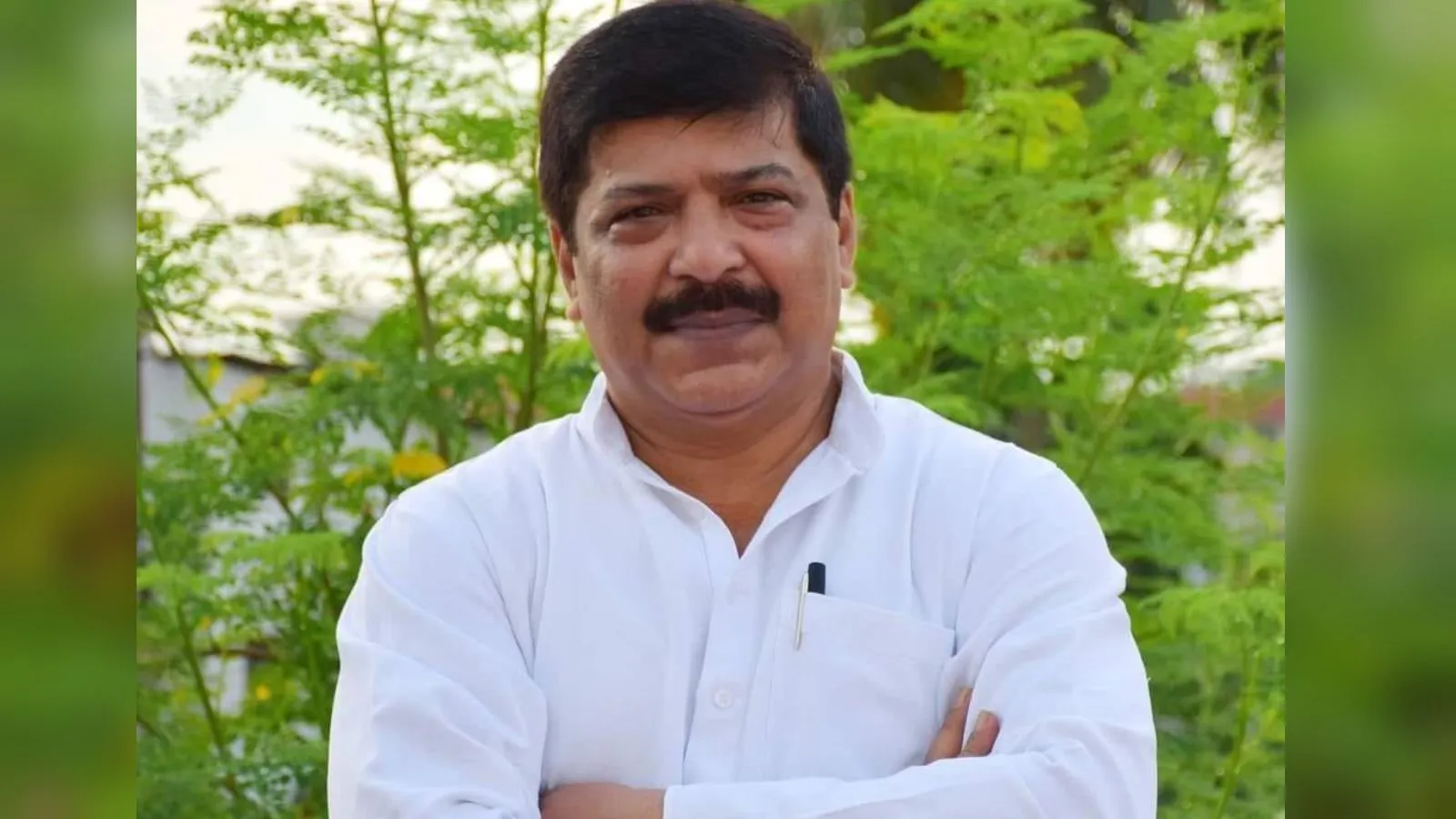
The Durga Puja club invitations controversy has triggered a fresh political exchange between senior Congress MLA Sudip Roy Barman and Tripura BJP president Abhishek Debroy. Roy Barman alleged that community clubs across Tripura increasingly function as extensions of the BJP’s local organisational offices and exclude opposition representatives from public events. Debroy rejected the accusation, arguing that Roy Barman was frustrated because clubs in his constituency had not invited him to their Durga Puja programmes. The dispute has brought political influence over community institutions and the role of local clubs into the spotlight.
Mangan boulder crash now claims two lives in Sikkim
Durga Puja Club Invitations Trigger Sudip Roy Barman’s Allegations
The controversy began after Congress leader Sudip Roy Barman criticised Tripura’s political atmosphere. He questioned the growing influence of the ruling BJP over community clubs. On October 25, 2026, the senior Congress leader alleged that several clubs had become extensions of local BJP organisational units. Traditionally, these clubs organised cultural programmes, social activities and community welfare initiatives.
Roy Barman argued that community clubs should welcome residents regardless of their political affiliations. According to him, these organisations play an important role in bringing people together. They organise cultural celebrations, sporting activities and social initiatives.
He alleged that political considerations had started influencing some clubs’ programmes and guest lists. In particular, he claimed that opposition representatives no longer received invitations to several community events.
Roy Barman Highlights Durga Puja Invitation Issue
Roy Barman also referred to his personal experience during this year’s Durga Puja celebrations. He claimed that no Puja committee in his Assembly constituency had invited him. He described this as a departure from earlier practices. According to him, committees previously invited elected representatives across party lines.
The Congress MLA linked these experiences to his wider criticism of the BJP government. He argued that community celebrations should encourage social interaction. Instead, he claimed, political divisions were affecting these occasions.
Durga Puja holds an important cultural place in Tripura. Clubs and committees organise pandals, cultural performances and community gatherings. Local representatives often attend these celebrations. Such events also provide opportunities to interact with residents outside formal political meetings.
However, Roy Barman’s claims about political exclusion remain allegations. The available report does not establish that every club operates under BJP influence. Nor does it confirm that all opposition representatives face similar treatment.
The controversy therefore centres on competing interpretations of community institutions. Roy Barman has questioned the influence of political considerations. Meanwhile, BJP leaders have rejected his allegations and offered a different explanation.
Durga Puja Club Invitations Draw BJP President’s Rebuttal
BJP state president Abhishek Debroy responded to Roy Barman’s allegations. He rejected the claim that the ruling party controlled community clubs across Tripura. He described the Congress MLA’s remarks as an expression of frustration. Debroy also questioned Roy Barman’s relationship with voters and local organisations.
Debroy specifically addressed Roy Barman’s complaint about Durga Puja invitations. He argued that the BJP could not be held responsible for decisions taken by individual clubs. According to him, social organisations independently decide whom to invite.
The BJP leader also challenged the wider criticism directed at his party. He accused the Congress and CPI(M) of overlooking their political histories. He also criticised their cooperation against the BJP.
His response included references to violence during earlier Congress and Left governments in Tripura. However, these remarks represent Debroy’s political argument. They do not independently establish the circumstances surrounding individual historical incidents.
BJP Leader Expands His Political Criticism
Debroy also criticised demands by the Congress and CPI(M) for Chief Election Commissioner Gyanesh Kumar to resign. He described these demands as unconstitutional. Furthermore, he accused opposition parties of attempting to mislead the public.
These remarks widened the political exchange beyond Durga Puja invitations. The BJP president shifted attention towards Roy Barman’s electoral position. He also questioned the relationship between the Congress and other opposition parties.
However, neither leader’s public statements independently settle the invitation dispute. The available reports do not include responses from the specific clubs mentioned by Roy Barman.
Further comments from the concerned organisations could clarify their invitation policies. They could also explain how they selected guests for their Durga Puja programmes. Until then, the dispute remains a political disagreement rather than a verified finding about every community club.
Community Clubs and Political Influence Become Central Issues
The controversy has raised wider questions about political influence over community organisations. Clubs often serve as gathering points for cultural celebrations, sports and social welfare activities. Their ability to involve residents from different backgrounds shapes local community life.
During major festivals, club organisers coordinate events and manage visitors. They also invite public representatives and community figures. These decisions may reflect local relationships, organisational preferences and programme requirements. However, Roy Barman’s allegations have raised questions about possible political considerations.
Roy Barman believes clubs should maintain an inclusive approach. He has warned against turning community organisations into extensions of political parties. His argument suggests that elected representatives should have opportunities to participate in cultural celebrations regardless of party affiliation.
Debroy, meanwhile, maintains that the BJP should not face blame for individual clubs’ decisions. His response emphasises the independence of local organisations. It also questions the Congress MLA’s interpretation of the invitation issue.
Political Dispute Raises Questions About Community Participation
The differences between these positions highlight the need to examine individual cases. Community clubs may follow different membership structures and traditions. Their methods of selecting guests can also vary. Therefore, evidence from the organisations concerned would help establish whether political pressure influenced any decisions.
The broader issue also concerns the distinction between public institutions and voluntary community organisations. Clubs may organise events for large audiences. However, their governance and invitation practices differ. Any assessment of political influence should consider their rules, funding arrangements and decision-making processes.
For residents, the immediate concern is whether local celebrations remain accessible to people with different political views. Cultural festivals can create opportunities for community interaction. They can also bring people together despite disagreements over political issues.
Nevertheless, the available reports do not establish a statewide policy requiring clubs to exclude opposition leaders. They also provide no independent evidence that the BJP directed individual clubs to deny invitations to Roy Barman.
The controversy has brought community participation into Tripura’s political debate. Responses from the clubs themselves could provide greater clarity. Their explanations would help distinguish individual invitation decisions from any wider pattern.
Durga Puja Invitation Dispute Becomes Part of Tripura’s Political Debate
The exchange between Roy Barman and Debroy reflects wider political tensions in Tripura. Their disagreement over community invitations has developed alongside criticism of the government. It also touches on democratic institutions and the role of opposition representatives.
Roy Barman has used the club issue to criticise what he describes as political intolerance. He has also questioned the exclusion of opposition voices from community events. His comments form part of his broader criticism of the BJP government’s approach to public engagement.
Debroy’s response focuses on Roy Barman’s political standing. He has also defended the BJP against opposition criticism. Furthermore, his remarks about the Congress and CPI(M) have widened the political disagreement.
These competing statements show how a disagreement over cultural events can become a larger political debate. Public festivals often bring residents and elected representatives together. Therefore, disputes over participation can attract attention beyond the organisations directly involved.
At the same time, both leaders’ claims require careful attribution. Roy Barman’s allegations of political control remain unverified. Similarly, Debroy’s explanation represents his political position rather than an independent finding.
Further developments may depend on whether the clubs mentioned in the debate respond publicly. Their explanations could establish whether individual decisions or broader organisational practices contributed to the controversy.
For now, the Durga Puja invitation dispute remains an exchange of political accusations. Its wider significance concerns community participation, political relationships and the role of cultural organisations in Tripura.
Conclusion
The Durga Puja club invitations controversy has intensified the political exchange between Congress MLA Sudip Roy Barman and BJP state president Abhishek Debroy. Roy Barman alleged that clubs had increasingly aligned themselves with the BJP. He also claimed that opposition representatives faced exclusion from cultural events. Debroy rejected these allegations and argued that the BJP was not responsible for individual clubs’ invitation decisions.
The dispute highlights different views about the relationship between community organisations and political parties. Roy Barman has called for clubs to remain inclusive. Meanwhile, Debroy has challenged claims of BJP control over their activities. The available reports document both positions but do not independently establish a statewide pattern of political exclusion.
Further responses from the clubs concerned could clarify their invitation practices. They could also explain the circumstances behind the disagreement. Until then, the allegations should remain attributed to the leaders who made them. The controversy also highlights the importance of inclusive community celebrations amid political differences.
FAQs
1. Why are Sudip Roy Barman and Abhishek Debroy arguing over Durga Puja club invitations?
Roy Barman alleged that clubs across Tripura had become extensions of BJP organisational units. He also claimed that they excluded opposition representatives from cultural events. Debroy rejected these accusations and disputed Roy Barman’s explanation.
2. What did Sudip Roy Barman claim about community clubs?
The Congress MLA alleged that clubs traditionally associated with cultural and social activities had become politically aligned with the BJP. He also claimed that no Durga Puja committee in his constituency invited him this year.
3. How did BJP president Abhishek Debroy respond?
Debroy described Roy Barman’s comments as an expression of frustration. He argued that the BJP could not be blamed for decisions taken independently by individual clubs and social organisations.
4. Has political control over Tripura’s clubs been confirmed?
No independent evidence in the available reports establishes that clubs across Tripura operate under BJP control. Roy Barman made the allegation, while Debroy rejected it.
5. Why has the dispute attracted political attention?
The controversy concerns whether community organisations remain inclusive spaces for cultural activities. It also raises questions about political influence over local institutions. Additionally, it reflects wider disagreements between the BJP and opposition parties in Tripura.